Introduction
Brief, catchy sayings and slogans often become the heart of many business brands. But can these short phrases be protected under copyright law? Understanding this is crucial for business owners who invest heavily in branding and marketing. While copyright protects creative works fixed in a tangible form, it draws clear lines excluding short phrases, slogans, and clichés. This guide will clarify why sayings generally cannot be copyrighted, how trademark law offers alternative protections, and what exceptions like fair use and public domain mean for your business. Each chapter builds your knowledge to help you strategically protect your unique expressions without legal blind spots.
Tables of Contents
Chapter 1: Understanding Why You Cannot Copyright a Saying: Legal Foundations and Copyright Limitations
- Why Originality and Fixation Are Central to Copyright: The Legal Reason Sayings Fall Short
- Why Sayings and Short Phrases Fall Outside Copyright Protection: Distinguishing Facts, Expressions, and Creativity
- Beyond Copyright: Trademark and Public Domain as Key Protections for Sayings
Chapter 2: Exploring Can You Copyright a Saying vs Trademark Protections for Phrases and Slogans
- Why Copyright Falls Short and Trademark Steps In: Protecting Sayings and Slogans Beyond Copyright Law
- Harnessing Trademark Law to Secure Sayings and Slogans as Brand Assets
- Unlocking the Trademark Journey: How to Secure Brand Protection for Your Saying or Slogan
Chapter 3: Navigating Doctrines and Exceptions Related to Can You Copyright a Saying, Including Fair Use and Public Domain
- Exploring Copyright Boundaries and Fair Use Protections for Sayings and Short Phrases
- Understanding Fair Use: How Limited Use of Sayings Fits Within Copyright Exceptions
- Unlocking the Impact of Public Domain and Trademark Protections on Sayings and Copyright Exceptions
Chapter 1: Understanding Why You Cannot Copyright a Saying: Legal Foundations and Copyright Limitations

1. Why Originality and Fixation Are Central to Copyright: The Legal Reason Sayings Fall Short
Copyright law is built on two essential pillars: originality and fixation. These requirements emphasize that only works which demonstrate a minimum level of creative effort and are captured in a tangible form can be protected. A simple saying, no matter how popular or widely used, rarely meets these standards.
The concept of originality does not demand uniqueness or novelty akin to an invention, but it does require independent creation with some modicum of creativity. This threshold was articulated by the U.S. Supreme Court in Feist Publications, Inc. v. Rural Telephone Service Co. (1991). There, the Court clarified that originality involves more than a mere compilation of facts; it demands a spark of creativity in how those facts or expressions are presented. Sayings, which are often brief, common expressions or clichés, generally lack that spark. They tend to be so concise that they convey an idea in its simplest form without creative embellishment or authorship adding distinctiveness.
Beyond originality, fixation plays a crucial role. Copyright protection applies only to works fixed in a tangible medium, such as written documents, recordings, or digital files. While a saying may be written down or recorded, fixation alone does not secure copyright. The expression must still satisfy the originality criterion. Since most sayings are short phrases used repetitively in speech or writing and are widely regarded as facts, common expressions, or cultural idioms, they typically fail this test.
Another fundamental legal principle clarifies why sayings are exempt: copyright protects the expression of ideas, not the ideas themselves. Sayings fall on the line between expression and idea but are mostly treated as common knowledge or unprotectable facts. This distinction prevents monopolizing short phrases that belong to the public commons and prevents stifling cultural or linguistic expression.
In practical terms, these legal principles mean that although you might see a catchy slogan or phrase repeated endlessly, it does not automatically carry copyright protection. This also explains why more extensive works, such as books or speeches, that embed quotes can protect those expressions within the broader context of the original fixed work, but the short phrase isolated on its own remains unprotected.
Given these realities, if protection is desired for a saying tied directly to a brand or commercial identity, trademark law often offers the more appropriate legal avenue. For guidance on when trademark protection might be necessary for business-related phrases, you can explore detailed explanations on determining trademark needs.
For further comprehensive legal insight into how originality and fixation define copyrightability—and why simple sayings fall outside this boundary—refer to the analysis provided by The ALI Adviser on U.S. Copyright Law: https://www.thealiadviser.org/restatement-law-copyright/why-the-copyright-statute-is-not-enough-how-the-restatement-relies-on-both-statute-and-caselaw-to-clarify-u-s-copyright-law/
2. Why Sayings and Short Phrases Fall Outside Copyright Protection: Distinguishing Facts, Expressions, and Creativity
At the heart of copyright law lies a clear boundary that prevents short sayings from qualifying for protection. This boundary arises because copyright safeguards original works of authorship fixed in a tangible medium, not mere words or brief expressions. Sayings, slogans, or short phrases, no matter how memorable or clever, are generally viewed as lacking the essential originality or creativity required for copyright eligibility. The law treats these fragments of language as too minimal—mere building blocks of communication rather than creative expressions deserving exclusive rights.
To grasp why this is so, it’s important to distinguish among three fundamental categories: facts, sayings (or short phrases), and creative works. First, facts refer to objective truths or data—events, dates, scientific information—that exist independently of any individual’s creative effort. Since facts are part of the public domain, they cannot be owned or monopolized by copyright. For example, a historical event or a statistic is free for anyone to use without restriction.
Sayings or short phrases, such as mottos, taglines, or catchphrases, fall into a similar category for copyright purposes. These are too brief and lack substantial creative authorship. They do not represent a comprehensive enough expression to warrant copyright protection. The law considers them common linguistic elements, much like names or titles, which are explicitly excluded from copyright. While a unique phrase crafted with artistic flair might raise questions, the threshold for originality is high, and most sayings fail to surpass it.
In stark contrast, creative works embody expansive expressions that reflect an author’s creativity—such as novels, paintings, songs, or even a distinctive narrative arrangement of facts. These works possess enough originality and fixation to be eligible for copyright protection. For instance, a historian’s detailed and stylistically composed account of events is protected, even though the underlying facts it describes are not.
This distinction underscores that copyright protects the particular expression of ideas, not the ideas, facts, or simple words themselves. The implications for sayings are clear: while a short slogan cannot be copyrighted, it might still be protected through other laws like trademark if it distinctly identifies a brand or service.
Understanding this nuanced legal landscape helps clarify why copyright law limits itself to substantial and original works and excludes short phrases. For those interested in safeguarding slogans beyond copyright, exploring trademark protection is crucial. More detailed guidance about what cannot be copyrighted and why can be found in this explanation at TMMiami.
3. Beyond Copyright: Trademark and Public Domain as Key Protections for Sayings
Copyright law is designed to protect original works of authorship, such as books, music, and visual art, but it distinctly excludes short phrases or sayings from protection. This exclusion exists because sayings lack the necessary level of originality and creativity required by copyright—a principle that ensures copyright does not restrict everyday language or commonly used expressions. Sayings, especially those that are brief or have become clichés, fall into this category and are considered part of the public domain. This status means anyone can use or reproduce common phrases freely without fear of infringing copyright.
While copyright does not extend to sayings, trademark law provides a different avenue for legal protection when certain criteria are met. A saying can become a trademark if it serves as a unique identifier for the source of goods or services within commerce. Trademarks function to prevent consumer confusion by giving exclusive rights to distinctive marks or phrases tied to specific businesses or products. However, this protection is limited in scope: it applies only to the commercial use of the phrase in connection with the registered goods or services, not to the phrase’s use in general language or non-commercial contexts.
To qualify for trademark protection, a saying must be distinctive enough to clearly signal its association with a particular brand. Generic or widely used phrases are unlikely to meet this standard, as trademark law also seeks to balance fair competition and avoid granting monopoly rights over everyday language. Once registered, a trademarked phrase helps a business safeguard its reputation and market identity by legally restricting other businesses from using confusingly similar marks. For anyone seeking to protect a saying in this way, consulting with trademark experts or services can clarify eligibility and guide the registration process. More detailed guidance is available on Trademark2Go.
The concept of the public domain is critical for understanding why sayings remain free to use. Sayings that are common, generic, or long established belong here, meaning they are not owned or controlled by anyone. The public domain ensures the availability of foundational language, ideas, and facts for education, creative work, and communication. It also reflects the principle that language should remain open and accessible to all, preventing monopolization of phrases essential to public discourse.
In essence, the legal framework for saying protection forms a three-part landscape: copyright shields original creative works but excludes short phrases; trademark protects phrases used distinctively in commerce; and the public domain guarantees free use of common language and ideas. Understanding these distinctions helps clarify why you cannot copyright a saying yet might protect it as a trademark or freely use it if it belongs to the public domain.
For further elaboration on the nuances of copyright and trademark protections regarding sayings and phrases, the comprehensive exploration at Bytescare offers useful insights on copyrighted quotes and fair use principles here.
Chapter 2: Exploring Can You Copyright a Saying vs Trademark Protections for Phrases and Slogans
1. Why Copyright Falls Short and Trademark Steps In: Protecting Sayings and Slogans Beyond Copyright Law
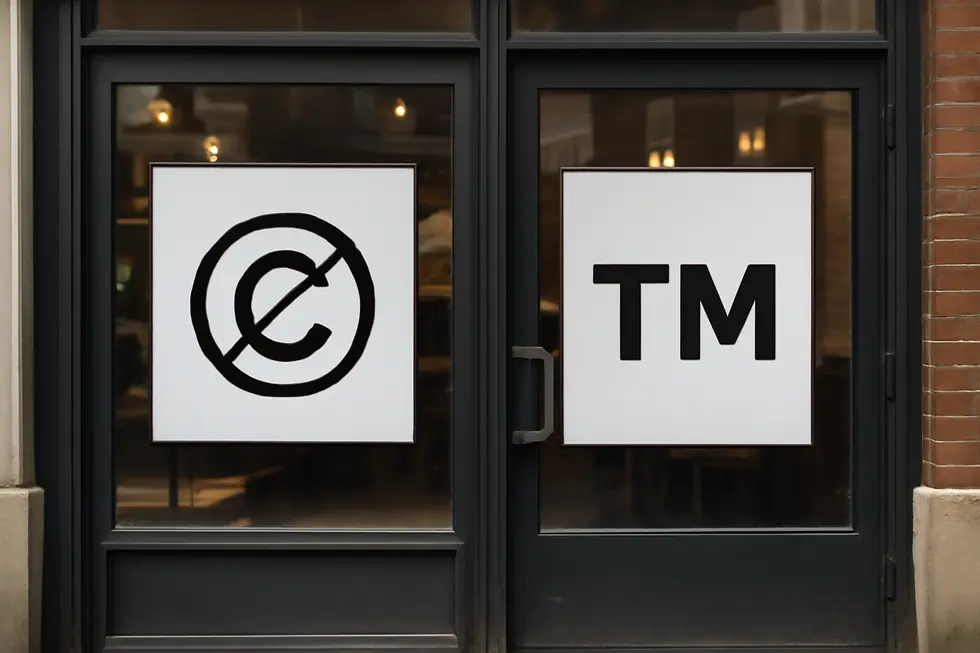
Copyright law fundamentally excludes protection for short phrases, including sayings and slogans, because such phrases lack the originality and creativity required to qualify as copyrighted works. Copyright safeguards original creative expressions fixed in a tangible form, such as novels, paintings, films, or music. However, brief expressions—like mottos, catchphrases, or taglines—do not meet these standards because they offer minimal content and creativity on their own. Thus, you cannot secure copyright ownership for a saying alone, even if it is widely recognized or catchy.
Instead, protection for sayings and slogans generally comes from trademark law, which serves a different purpose. Trademarks are designed to identify and distinguish the source of goods or services in commerce. When a phrase is used distinctively to represent a brand, it can be registered and protected as a trademark. This means that the phrase functions not just as a common saying but as a unique indicator tied to a particular business or product line.
Not all slogans qualify for trademark protection. For a trademark to be granted, the slogan must be distinctive and not merely descriptive or generic. Generic phrases like “Fresh and Tasty” or “Always Here for You” are too common and often considered incapable of identifying a single source. Trademark examiners usually reject such slogans because they do not serve the core function of signaling origin. On the other hand, creative or coined phrases that consumers recognize as uniquely tied to one brand can achieve trademark status. These slogans become essential assets for brand identity and marketing.
This distinction highlights why copyright and trademark law serve different roles in intellectual property protection. Copyright looks at originality and expression fixed in tangible media, whereas trademark examines the distinctiveness and use of phrases in commerce to indicate source. For example, a phrase embedded within a book or speech may have copyright protection as part of that larger work, but isolated, that phrase alone is not copyrightable. Conversely, when the same phrase is used on products or advertisements to build brand recognition, trademark is the appropriate protection.
Understanding this legal framework is crucial when deciding how to protect a saying or slogan. Filing for trademark registration involves demonstrating that the phrase is used commercially in a way that identifies your goods or services, and that it can be distinguished from competitors. Because trademark law requires proof of distinctiveness and active use in commerce, it is advisable to consult with an intellectual property expert to navigate these complexities effectively.
For deeper insights into trademark requirements and the distinction between trademark and copyright for phrases, businesses can explore dedicated resources on protecting slogans and branding, such as trademark2go.com.
More detailed legal analysis on copyright limitations related to phrases and slogans is available through the Global Law Experts, which explains why copyright does not extend to short phrases but trademarks can fill that gap: https://global-law-experts.com/understanding-copyright-limitations-for-slogans-and-phrases
2. Harnessing Trademark Law to Secure Sayings and Slogans as Brand Assets
When examining whether you can copyright a saying, it becomes clear that copyright law does not offer protection for short phrases or slogans. Instead, trademark law emerges as the primary mechanism for securing exclusive rights over these expressions when they function as identifiers of commercial origin. Unlike copyright—which safeguards original works fixed in tangible forms such as books, music, or films—trademark law focuses on preventing consumer confusion by protecting distinctive marks, including names, logos, and slogans that indicate the source of goods or services.
A slogan or phrase may lack the originality required for copyright protection because short expressions are generally considered too brief and familiar to be original works. However, when a saying is used consistently to brand a product or service, it takes on a secondary meaning in the minds of consumers: it signals quality and origin rather than simply conveying a phrase. In this context, a slogan transcends mere words; it becomes a valuable trademark asset.
The process to protect a slogan as a trademark typically involves demonstrating that the phrase functions as a unique identifier—that it is distinctive enough to distinguish your goods or services from those of competitors. If it meets these criteria, trademark registration can establish legal rights that prevent others from using confusingly similar phrases. This protection extends for as long as the mark remains in use and relevant, potentially offering indefinite coverage.
Because trademark law centers on commercial use, it also provides a strategic advantage for businesses by protecting brand reputation and ensuring customers can reliably associate a phrase with a specific source. This is essential for marketing and brand building, where slogans often play a critical role in memorability and customer loyalty.
Unlike copyright, which automatically attaches to original works at the time of creation, trademark rights often require active registration to fully benefit from legal enforcement tools and broader protections. Moreover, international treaties like the Madrid Protocol facilitate streamlined trademark registration across multiple countries, allowing brands to protect their slogans globally with a single filing.
While copyright does offer some protection for longer advertising materials or creative content surrounding a slogan, it does not extend to the slogan itself. This reinforces why trademark law is the proper legal shield for sayings when used as brand identifiers. Businesses seeking to protect their brand expressions should therefore focus on trademark registration and enforcement.
Understanding this distinction is crucial: copyright safeguards artistic and literary originality, but trademark safeguards commercial identity. For comprehensive intellectual property strategies, companies often combine trademarks on names and slogans with copyrights for creative content, effectively covering all facets of brand expression.
For those interested in further exploring trademark applications and their benefits, resources like Trademark2Go provide practical guidance and steps to protect business branding through trademarks.
Ultimately, although you cannot copyright a slogan or saying, trademark law offers a robust and targeted path to protect these critical elements of your brand’s identity and commercial success.
External resource: https://trademark2go.com/
3. Unlocking the Trademark Journey: How to Secure Brand Protection for Your Saying or Slogan
Trademarking a phrase or slogan is a structured legal process that transforms a simple saying into a recognized symbol of a brand’s identity. While copyright law excludes short phrases from protection, trademark law offers a valuable pathway for safeguarding phrases that distinguish a business’s goods or services. This process, overseen by the United States Patent and Trademark Office (USPTO), typically spans six to nine months but can extend further depending on application complexities or oppositions.
The journey begins with the applicant submitting a trademark application to the USPTO. This request must clearly show that the phrase in question functions as a source identifier, meaning consumers associate it distinctively with a particular brand or product line. For example, a phrase that conveys merely generic or descriptive meaning cannot qualify, as it lacks the required distinctiveness—a critical criterion for registration. The phrase must stand out from common language use and signal origin rather than just describe a product feature.
Before filing, thorough clearance searches are essential to ensure no existing trademarks conflict with the proposed phrase. This step helps avoid legal challenges and oppositions, which can delay or block registration. Once the application is filed, the USPTO reviews it, a process generally taking three to four months, carefully assessing the phrase’s eligibility and the applicant’s documentation.
After preliminary approval, the phrase is published in the Official Gazette for a 30-day opposition period. This window allows third parties to oppose the registration if they believe the trademark infringes on their rights or causes market confusion. If no objections arise or are successfully overcome, the USPTO grants the trademark registration.
Maintaining trademark protection requires ongoing effort. The trademark owner must demonstrate continued use in commerce and file periodic renewals to keep the trademark active and enforceable. Registered trademarks confer powerful legal rights, including exclusive nationwide use of the phrase for relevant goods or services, the ability to prevent infringement, and protection against counterfeit imports.
Differentiating trademark protection from copyright is crucial: copyright safeguards original creative works such as books, music, or artwork, but it explicitly excludes short phrases or slogans due to their lack of sufficient creativity. In contrast, trademark law specifically protects phrases that serve as identifiers of commercial origin, ensuring consumers are not misled about the source of a product or service.
Given the complexity and legal nuances of trademark registration, many applicants benefit from professional guidance to navigate filing requirements, respond to office actions, and manage oppositions. To explore more about whether a trademark is necessary for your business identity and how to approach the registration process, extensive resources are available, including dedicated platforms that guide you through each step.
For more detailed information on trademark processes, responsibilities, and benefits, consult this comprehensive guide to trademarking your business identity.
By understanding and engaging in this formal trademark process, you can effectively protect your saying or slogan as a valuable asset that distinguishes your brand in the marketplace.
Chapter 3: Navigating Doctrines and Exceptions Related to Can You Copyright a Saying, Including Fair Use and Public Domain

1. Exploring Copyright Boundaries and Fair Use Protections for Sayings and Short Phrases
Copyright law is designed to protect original works of authorship that are fixed in a tangible form, such as novels, music, films, and artwork. However, this protection explicitly excludes short phrases, slogans, or sayings because they do not reach the threshold of sufficient creativity or originality. Words or brief expressions like names, titles, or common sayings are considered too simplistic and functional to be granted copyright. This distinction means that individual sayings cannot be copyrighted on their own, even if they are unique or clever.
Nevertheless, the legal landscape offers alternative protections that intersect with copyright’s limitations. One critical area is trademark law, which can safeguard sayings or slogans when used to identify the source of goods or services. In this scenario, a slogan gains protection not because of its expression alone but due to its role in branding and consumer association. Unlike copyright, trademarks protect identifiers that distinguish businesses or products in the marketplace. For those interested in how slogans can serve as trademarks and the legal implications thereof, further information can be found in resources focused on trademark registration and protection.
The doctrine of fair use further complicates the relationship between copyright and short phrases. Even when a phrase originates within a copyrighted work—such as a novel, a film script, or a speech—that phrase may be reproduced in limited ways without explicit permission. Fair use permits quoting or citing such works for purposes like criticism, commentary, teaching, news reporting, or research. However, fair use is not guaranteed and depends on a careful balance of factors: the purpose of the use, the nature of the original work, how much of the phrase or work is used, and the impact on the original’s market value. For example, quoting a memorable phrase in a review or scholarly analysis usually falls under fair use, whereas republishing it commercially without transformation likely would not.
It is also important to understand the distinction between facts and creative expression. Raw facts—such as dates, names, or historical events—cannot be copyrighted. This means facts are part of the public domain and free for use. However, creative arrangements or presentations of facts that demonstrate originality may receive copyright protection. Similarly, works that have already entered the public domain or are government-created works typically have no copyright restrictions and may be used freely.
Another noteworthy principle is the First Sale Doctrine, which allows lawful owners of copyrighted physical copies—books, CDs, DVDs—to resell or lend them without needing the copyright owner’s permission. This doctrine, however, does not extend to reproducing or publicly performing the content.
In summary, while sayings and short phrases remain outside copyright protection, nuanced exceptions and alternate legal protections help navigate their use. Fair use gives room to thoughtfully incorporate copyrighted phrases within certain contexts, trademark law guards slogans as brand identifiers, and the public domain ensures free accessibility to facts and expired works. When working with sayings tied to copyrighted content or branding efforts, it’s wise to evaluate these doctrines carefully and seek legal advice to avoid infringement and optimize protection.
For more on trademark protection for slogans and brand identifiers, consider visiting trademark registration guidance.
External resource: U.S. Copyright Office FAQ on Copyright Protection
2. Understanding Fair Use: How Limited Use of Sayings Fits Within Copyright Exceptions
Fair use offers a vital legal mechanism that shapes how copyrighted material, such as sayings embedded in larger works, can be used without formal permission. While short phrases and sayings themselves generally fall outside the scope of copyright protection due to their lack of originality, sayings that appear as part of more extensive original works—like books, speeches, or songs—may be subject to copyright. This reality creates an important context where fair use becomes relevant, especially when those sayings are quoted or referenced for commentary, critique, or educational purposes.
Copyright law limits protection to original creative expressions fixed in a tangible form. It explicitly excludes short phrases, facts, and common expressions from protection. However, it recognizes that certain uses of copyrighted material serve public interest, which is reflected in the fair use doctrine. This legal framework permits limited use of copyrighted works under specific circumstances without infringing on the author’s rights. The doctrine balances creators’ interests with broader societal benefits such as scholarship, criticism, and news reporting.
Determining whether a particular use of a saying within a copyrighted work qualifies as fair use involves a nuanced examination based on four key factors:
- The purpose and character of the use: Uses that are transformative—adding new meaning or message, such as parody or critical analysis—tend to favor fair use. Non-commercial or educational uses also weigh in its favor.
- The nature of the copyrighted work: Uses involving factual works lean more toward fair use than uses of highly creative, fictional works.
- The amount and substantiality of the portion used: Using small excerpts or less significant parts of a work favors fair use. However, copying the “heart” of a work may weigh against it.
- The effect of the use on the potential market: If the use damages the market value or potential derivative markets of the original work, fair use is less likely to apply.
Applied to sayings, this means that simply repeating a slogan or phrase is generally not copyright infringement because such phrases lack protection. But if a saying appears in a novel or a copyrighted speech, quoting it may require fair use analysis, especially in contexts like academic papers or reviews.
Moreover, sayings that are common knowledge or have lost copyright protection over time belong to the public domain and can be used freely. The public domain ensures that cultural commons, including many sayings, remain accessible to all. This distinguishes fair use—which involves limited exceptions—from unrestricted public domain use.
While copyright and fair use address the expression of ideas, trademark law handles the commercial use of phrases identifying brands or services. These are separate realms, but understanding this distinction is crucial when navigating the protections applicable to sayings. For instance, a slogan trademarked to represent a business might have different legal safeguards than a similar phrase protected by copyright or fair use principles.
For those seeking further clarity, authoritative resources like the U.S. Copyright Office’s Fair Use Index provide detailed case examples illustrating how the doctrine applies in practice. Consulting such resources can provide insight into how courts interpret fair use amidst complex scenarios involving sayings.
In sum, fair use serves as an essential exception within the copyright landscape that permits limited and context-driven use of sayings embedded in copyrighted works. It balances the protection of original creative expression with society’s interest in free discourse, education, and commentary, ensuring that copyright does not unduly restrict access to cultural and intellectual content.
For authoritative guidance on fair use and related exceptions, refer to the U.S. Copyright Office Fair Use Index.
3. Unlocking the Impact of Public Domain and Trademark Protections on Sayings and Copyright Exceptions
Public domain and trademark law occupy critical yet distinct roles in the nuanced landscape surrounding copyright protections for sayings and commonly used phrases. While copyright law generally excludes short phrases due to lack of originality, understanding how public domain status and trademarks interact with fair use and copyright adds important clarity for anyone navigating the legal use of sayings.
The public domain represents a vast reservoir of creative material free from copyright restrictions, either because copyrights have expired, never existed, or were forfeited. Sayings or expressions that have long been in circulation and lack a qualifying original authorship often fall into this category. When a saying is in the public domain, it may be used, copied, or adapted by anyone without seeking permission, paying royalties, or risking infringement. However, care must be taken as new collections or adaptations of these phrases can create fresh copyrights. Thus, while the core phrase might be free, contemporary presentations may carry protections.
In contrast, trademark law operates independently from copyright and serves a different purpose. Trademarks protect identifiers—words, phrases, logos—that indicate the source of a product or service. Even if a saying fails copyright protection due to brevity or lack of originality, it may be eligible for trademark protection if it functions as a brand’s distinctive signifier. This protection prevents others from using the phrase in a way that confuses consumers about product origin. Trademark rights, therefore, can restrict the commercial use of certain sayings, especially in branding contexts.
Importantly, trademark law also balances this protection with free speech considerations. Courts carefully assess cases involving parodies, commentary, or other noncommercial uses where trademark conflicts arise. This dynamic creates a complex space where a phrase may be trademarked yet still permissibly used under certain expressions of free speech.
The doctrine of fair use further complicates the picture by allowing limited use of copyrighted works, including longer quotes containing sayings, without permission. Fair use analyzes factors such as the purpose (educational, critical, transformative), the nature of the work, the amount taken, and the effect on the market. For sayings, quoting a phrase for commentary or criticism often qualifies as fair use, but wholesale copying or commercial exploitation without significant transformation risks infringement.
Together, these doctrines shape how sayings can be lawfully used. The public domain removes copyright constraints on old or uncopyrightable sayings, enabling free cultural exchange. Trademarks guard the commercial identity of phrases used as brands, sometimes restricting usage in business contexts. Meanwhile, fair use offers a flexible exception accommodating scholarly, critical, or artistic engagement with copyrighted material inclusive of sayings.
For anyone wondering can you copyright a saying, recognizing the interplay of public domain status, trademark protection, and fair use is essential. While copyright rarely covers short phrases, trademark registrations can provide robust protection when the phrase identifies a brand. Fair use permits certain quoted uses without authorization, and public domain status allows unrestricted utilization. To navigate these overlapping protections and exceptions effectively, consulting trademark specialists and understanding the specific application of fair use principles is advisable. For guidance tailored to business applications, reviewing resources such as do I need a trademark for my business? can be beneficial.
This comprehensive perspective allows creators, brands, and users of sayings to understand when each doctrine applies, ensuring lawful and strategic use of phrases in diverse contexts.
For authoritative information on trademark protections relevant to sayings, see the U.S. Patent and Trademark Office: https://www.uspto.gov/trademarks
Final thoughts
Understanding that sayings and short phrases cannot typically be copyrighted empowers business owners to seek the right legal protections without costly missteps. While copyright law excludes brief expressions due to the need for originality and creativity, trademark law offers a powerful tool to protect your unique slogans and brand identifiers. Additionally, knowing how fair use and public domain doctrines interact with these protections equips you to maximize your rights and avoid infringement. By embracing these distinctions, business owners can confidently safeguard their intellectual property and build brands with legal clarity and strength.
Your IP is the foundation of your success – let’s protect it together before it’s too late. We can’t wait to help you turn your ideas into legally secured assets.
About us
undefined