
Introduction
A logo is more than just a graphic—it’s the visual cornerstone of your brand identity. Protecting this valuable asset requires a clear understanding of the legal frameworks that govern logo ownership. Logo design copyright is a crucial aspect that business owners must grasp to prevent unauthorized use and secure competitive advantage. This guide breaks down the distinctions between copyright and trademark protections, explores the necessary registration and enforcement procedures, and highlights key legal considerations in crafting a distinctive logo. Finally, it presents a comprehensive protection strategy that integrates copyright, trademark, and design patents to fully shield your logo. Each chapter builds toward empowering you to confidently protect your logo’s creative and intellectual value, ensuring its longevity and exclusivity in the marketplace.
Tables of Contents
Chapter 1: Understanding Logo Design Copyright: Distinguishing Copyright and Trademark Protections
- The Legal Framework Behind Logo Copyright: Protecting Creativity and Brand Identity
- Navigating the Legal Divide: How Copyright and Trademark Rights Shape Logo Protection
- Economic Value and Strategic Business Benefits in Protecting Logo Designs
- Technological Challenges and Legal Strategies in Securing Logo Copyrights and Trademarks
- Global and Cultural Dynamics Shaping Logo Copyright and Trademark Enforcement
Chapter 2: Protecting Your Logo Design Copyright: Legal Registration and Enforcement Strategies
- Navigating Copyright and Trademark Laws to Secure Your Logo’s Legal Protection
- Strategic Registration: Harnessing Copyright and Trademark Protections for Your Logo
- Strategic Enforcement of Logo Copyrights: Monitoring Infringements, Legal Recourse, and Market Defense
- Harnessing Digital Innovation: Advanced Technologies for Monitoring and Securing Logo Copyright
- The Strategic Impact of Logo Copyright Protection on Brand Growth, Innovation, and Market Fairness
Chapter 3: Choosing a Logo Design Copyright: Legal Considerations for Creativity and Distinctiveness
- Balancing Creativity and Legal Protection: The Role of Copyright in Logo Design
- How Trademark Law Shapes Creative and Distinctive Logo Design Choices
- Crafting Legally Distinctive Logos: Key Considerations for Trademark and Copyright Protection
- Mitigating Legal Risks in Logo Design: Avoiding Copyright and Trademark Infringement
- Maximizing Legal Protection: Strategic Registration and Distinctiveness in Logo Design
Chapter 4: Conclusion on Logo Design Copyright: Comprehensive Protection through Copyright, Trademark, and Design Patents
- Copyright’s Role in Safeguarding the Creative Core of Logo Design
- Securing Brand Identity: The Critical Role of Trademark in Comprehensive Logo Protection
- Leveraging Design Patents to Secure Ornamental Logos on Functional Items
- Harnessing the Power of Copyright, Trademark, and Design Patents for Robust Logo Protection
- Strategic Legal Steps for Securing and Enforcing Logo Design Rights
Chapter 1: Understanding Logo Design Copyright: Distinguishing Copyright and Trademark Protections
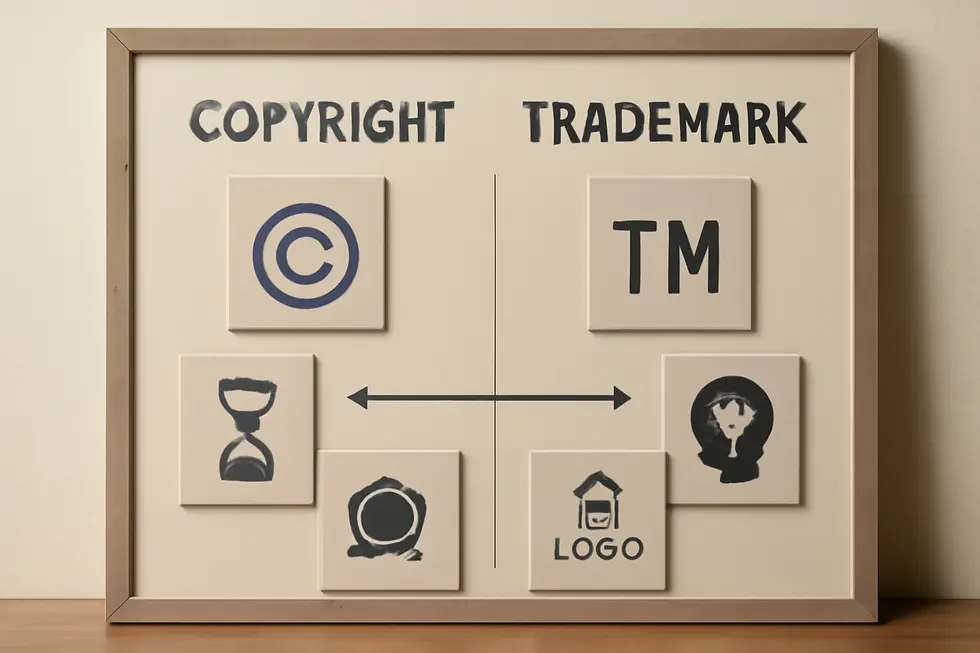
1. The Legal Framework Behind Logo Copyright: Protecting Creativity and Brand Identity
Logo copyright protection arises automatically once a design shows original creative expression and is independently created. Unlike ideas or simple shapes, logos that embody sufficient originality gain exclusive rights to reproduction and public display under copyright law. However, copyright focuses solely on the artistic expression, not on how a logo identifies a brand in commerce. This is where trademark law complements copyright by safeguarding logos as source identifiers, provided they are distinctive and non-generic. Trademark registration strengthens enforcement, preventing others from using confusingly similar marks in the marketplace. Additionally, design patents offer another layer by protecting ornamental aspects of logos, though less commonly used. A strategic combination of these protections ensures logos are legally defended both as creative works and as powerful brand assets. For further insights into copyright basics, visit the guide on copyright information example business.
2. Navigating the Legal Divide: How Copyright and Trademark Rights Shape Logo Protection
Logo design protection involves two distinct yet complementary legal frameworks: copyright and trademark. Copyright safeguards the logo as an original artistic work, granting exclusive rights to reproduce and display the specific design elements. This protection arises automatically upon creation and typically lasts for the creator’s lifetime plus 70 years, though registration strengthens enforcement options. In contrast, trademark protection focuses on the logo’s role as a brand identifier in commerce, preventing others from using confusingly similar marks that might mislead consumers. Trademark rights require active use and proper registration to enjoy indefinite protection, allowing owners to enforce their brand’s distinctiveness. Together, these protections ensure both the creative expression and commercial identity of a logo are defended. For detailed guidance on trademark protection specifically related to business logos, consult resources such as trademark protection for business names and logos.
3. Economic Value and Strategic Business Benefits in Protecting Logo Designs
Protecting logo designs through copyright and trademark safeguards much more than legal entitlements—it shapes a brand’s economic foundation and market strength. Copyright secures the original artistic expression of a logo, extending protection over its unique design for the creator’s lifetime plus decades, while trademarks shield logos as distinctive brand identifiers that consumers recognize and trust. Together, they enhance brand equity by fostering customer loyalty and elevating market valuation. For businesses, a well-protected logo becomes a critical intangible asset, attracting investors and partners by demonstrating robust intellectual property control. Thoughtful design must prioritize distinctiveness to satisfy trademark criteria and originality to qualify for copyright, minimizing potential disputes and reinforcing legal rights. Additionally, companies increasingly rely on digital rights management tools to monitor and deter unauthorized logo use, further preserving their investment. Such layered protection underpins sustained business success and competitive advantage. For deeper insights into trademark protections specific to business logos, consult authoritative resources like trademark2go.com’s guidance on trademark protection for business names and logos.
4. Technological Challenges and Legal Strategies in Securing Logo Copyrights and Trademarks
Safeguarding logo designs today requires a nuanced understanding of both copyright and trademark law in light of technological changes. Copyright protects a logo’s original artistic elements once created by a human author, while trademarks protect the logo as a brand identifier that must be distinctive and non-generic. Advances in technology, especially AI-generated content, complicate copyright eligibility since works without human authorship typically lack protection. Additionally, trade dress may offer protection for distinctive visual presentations, though functional features cannot be shielded this way. Enforcement challenges persist as brands must vigilantly monitor infringement and counterfeit use across evolving digital platforms. A layered approach combining copyright registration and trademark filings, supported by ongoing market surveillance, remains essential. For detailed insights on trademark protection and logo security, business owners can refer to trademark protection for business name & logo.
5. Global and Cultural Dynamics Shaping Logo Copyright and Trademark Enforcement
Logo protection operates at the intersection of culture, society, and geopolitics, profoundly affecting copyright and trademark enforcement. Societal values influence how logos are perceived as symbols of goodwill and brand reputation, which trademark law safeguards to maintain consumer trust. This societal goodwill demands brands ensure their logos remain distinctive and culturally appropriate to avoid public backlash and legal disputes.
Geopolitical factors further complicate enforcement because intellectual property laws vary widely between jurisdictions. While copyright automatically protects artistic elements upon creation, its scope and duration differ internationally. Trademark rights depend on usage within specific markets, requiring businesses to navigate complex registration systems and conduct rigorous searches to avoid conflicts. International treaties, such as the Hague Agreement, aim to streamline design protection but cannot override national legal nuances.
Recognizing these global and cultural dynamics is crucial for a robust, strategic approach to logo protection, balancing artistic copyright with distinctive trademark rights. For deeper insights into these legal nuances, exploring trademark protection resources tailored to business branding is advisable.
Chapter 2: Protecting Your Logo Design Copyright: Legal Registration and Enforcement Strategies

1. Navigating Copyright and Trademark Laws to Secure Your Logo’s Legal Protection
Logo protection involves understanding two distinct legal frameworks: copyright and trademark law. Copyright safeguards the original artistic expression of a logo, covering its unique graphic design once fixed in a tangible form. This protection lasts typically for the creator’s lifetime plus 70 years in the U.S., preventing unauthorized copying of the design itself. However, copyright does not shield the logo’s commercial identity or simple elements like fonts or shapes alone.
Trademark law focuses on logos as brand identifiers in commerce. It protects against confusingly similar marks used by competitors, thus preserving brand recognition and consumer trust. Unlike copyright, trademark protection can last indefinitely, provided the logo remains in use and registrations are maintained. To qualify, a logo must be distinctive and actively used in commerce.
Together, these protections complement each other: copyright defends the logo’s artistic originality, while trademark preserves its role as a source identifier. For comprehensive safeguarding, companies often pursue both, starting with thorough trademark searches to prevent conflicts. For further guidance, exploring resources on trademark protection for business names and logos can be invaluable.
2. Strategic Registration: Harnessing Copyright and Trademark Protections for Your Logo
Effective logo protection requires a well-coordinated registration approach combining copyright and trademark safeguards. Copyright protection for a logo arises automatically upon creation, securing its artistic expression; however, registering with the U.S. Copyright Office strengthens your legal claim and provides valuable evidence of ownership if disputes arise. Trademark registration, conducted through the USPTO, grants exclusive commercial rights to use the logo and helps prevent consumer confusion by stopping similar marks in the marketplace. Filing as a combined trademark can cover both the logo and business name together, but separate applications may offer more robust protection. For global operations, securing trademarks in each jurisdiction ensures consistent brand identity and guards against infringement worldwide. This layered registration strategy fortifies a logo’s protection, supporting both creative rights and commercial exclusivity for enduring brand security. For more details, explore insights on trademark protection for logos and business names.
3. Strategic Enforcement of Logo Copyrights: Monitoring Infringements, Legal Recourse, and Market Defense
Enforcing logo design copyright demands vigilant monitoring combined with prompt legal action to preserve market presence. Utilizing digital rights management and visual recognition tools helps detect unauthorized logo use across online and physical channels early. Once infringement is identified, issuing firm cease-and-desist notices clarifies ownership and deters continued misuse. Escalation to litigation may follow if infringements persist, with registered trademarks significantly strengthening legal position. Parallel to legal tactics, controlling the market is vital: securing trademarks internationally, collaborating with customs authorities, and educating consumers about authentic branding reduces counterfeit risks. Engaging customers to report suspicious activities also enhances protection. This integrated approach fortifies a logo’s distinct identity and ensures sustained control over its commercial use. For detailed insights on trademark protections complementing copyright, exploring company trademarks and logos is beneficial.
4. Harnessing Digital Innovation: Advanced Technologies for Monitoring and Securing Logo Copyright
Modern technology offers powerful tools for safeguarding logo copyrights through advanced monitoring and authentication. AI-driven systems scan extensive online platforms, including social media and e-commerce sites, to instantly detect unauthorized logo use by recognizing images and analyzing contextual cues. These rapid alerts enable brand owners to enforce rights proactively and prevent dilution or counterfeiting. Complementing this, digital rights management services continuously track logo appearances online, providing detailed violation reports that streamline enforcement efforts. Embedding ownership metadata into logo files adds a crucial layer of evidence, reinforcing legal claims during disputes. Emerging blockchain solutions establish immutable proof of logo ownership and licensing, enhancing trust and simplifying verification in digital environments. Together, these innovations form a robust technological defense that supports traditional registration and legal strategies for logo copyright protection. For a detailed understanding of trademark and copyright law fundamentals that underpin these technologies, consult resources like trademark protection for business names and logos.
5. The Strategic Impact of Logo Copyright Protection on Brand Growth, Innovation, and Market Fairness
Securing copyright and trademark protections for logo designs profoundly influences brand growth and market dynamics. A legally safeguarded logo not only builds distinctiveness but also enhances brand value, attracting customers and investors alike while creating licensing opportunities that fuel revenue streams. This protection incentivizes creativity, rewarding designers and fostering innovation essential for evolving market identities. Moreover, robust logo copyright enforcement ensures fair competition by preventing unauthorized usage that causes consumer confusion and damages brand trust. As companies innovate to differentiate themselves, they contribute to a healthier competitive landscape benefiting consumers with diverse, high-quality options. Globally, consistent logo protection bridges cultural differences and secures businesses’ rights across markets, combatting counterfeiting and preserving brand integrity. For in-depth understanding of protecting business names and logos, explore comprehensive trademark protection strategies.
Chapter 3: Choosing a Logo Design Copyright: Legal Considerations for Creativity and Distinctiveness

1. Balancing Creativity and Legal Protection: The Role of Copyright in Logo Design
When selecting a logo design, it is crucial to grasp how copyright automatically safeguards your creative work upon fixation, such as saving a digital file. Copyright protects the artistic elements like shapes, colors, and overall design but does not extend to abstract ideas behind the logo. While registration is not mandatory, it strengthens legal enforcement by establishing public proof of ownership and offering statutory remedies. To avoid infringement risks, your logo must be original or incorporate properly licensed elements, as unauthorized use of others’ copyrighted material can lead to legal disputes. Combining copyright awareness with trademark strategy ensures your logo is both a unique artistic creation and a strong brand identifier. For further insights on copyright protections that benefit business assets, consider reviewing detailed copyright information for business.
2. How Trademark Law Shapes Creative and Distinctive Logo Design Choices
Trademark protection plays a pivotal role in shaping logo design choices by emphasizing distinctiveness and legal enforceability. Unlike copyright, which protects the artistic expression of a logo, trademark safeguards the logo’s function as a unique brand identifier. Effective logos combine creativity with distinctiveness to qualify for trademark registration, avoiding generic or merely descriptive designs that lack protection. Securing a trademark requires formal registration, which establishes exclusive rights and enables enforcement against unauthorized use or infringement. Designers should also consider the logo’s longevity, ensuring consistency to maintain protection over time. Additionally, quality control in licensing preserves trademark strength and brand reputation. Integrating trademark strategy early secures legal exclusivity and fortifies a logo’s role as a lasting symbol of the business identity. For practical guidance on trademark protection, businesses can consult resources like trademark protection for business name and logo.
3. Crafting Legally Distinctive Logos: Key Considerations for Trademark and Copyright Protection
Achieving distinctiveness in a logo design is vital for securing robust legal protection under copyright, trademark, and trade dress laws. A logo must be original and stand apart from competitors to qualify for exclusive rights and avoid infringement risks. Copyright protection begins automatically upon creation, covering the artistic expression but not the underlying idea. Registering with the U.S. Copyright Office strengthens enforcement powers. For trademark registration, distinctiveness is paramount—the logo should not be generic or descriptive and must differ clearly from existing marks. Conducting thorough trademark searches before filing with the USPTO prevents costly disputes. Beyond these, trade dress protects the overall visual impression if it gains consumer recognition. In some cases, design patents may protect unique ornamental features, adding another legal layer. Meticulous creativity combined with careful legal vetting ensures a logo that is both uniquely identifiable and fully protected. For more on trademark protection of business names and logos, consult specialized legal resources such as trademark2go.com.
4. Mitigating Legal Risks in Logo Design: Avoiding Copyright and Trademark Infringement
Selecting a logo involves critical legal considerations to minimize risks of copyright and trademark infringement. A logo must be both original and distinctive to secure robust protection and prevent costly disputes. Copyright safeguards logos as original artistic works automatically upon creation, but even minor similarities to existing copyrighted designs can constitute infringement, regardless of intent. Trademark infringement centers on using confusingly similar logos that mislead consumers about a brand’s identity. Careful due diligence, including comprehensive trademark searches and validation of copyright exclusivity, is essential before finalizing a logo. Furthermore, unauthorized use of stock images or copyrighted elements without clear licensing elevates infringement risks. Legal consequences range from damages to damage to brand reputation and market position. Consulting specialized legal resources, such as the insights on trademark and copyright law for business owners, helps ensure your logo design stands on a legally sound foundation.
5. Maximizing Legal Protection: Strategic Registration and Distinctiveness in Logo Design
Selecting a logo design involves a strategic balance of creativity and legal foresight to maximize protection. A logo must be distinctive, favoring arbitrary or fanciful elements to meet trademark standards. Registering a logo strategically—whether as a design mark, word mark, or combination—secures comprehensive rights covering visual and textual aspects. Early trademark registration is crucial to establish priority and deter infringement. Additionally, conducting thorough trademark and copyright searches prevents conflicts and protects originality. While copyright covers the artistic expression of a logo, trademark safeguards its role as a brand identifier; pursuing both strengthens legal defenses. Maintaining and renewing registrations further ensures long-term exclusivity, aligning with evolving brand strategies. For detailed insights, businesses can explore trademark protection for business names and logos.
Chapter 4: Conclusion on Logo Design Copyright: Comprehensive Protection through Copyright, Trademark, and Design Patents
1. Copyright’s Role in Safeguarding the Creative Core of Logo Design
Copyright protection automatically applies the moment a logo’s original artistic expression is fixed in a tangible form, such as a digital file. This protection covers the unique creative elements of the logo but does not extend to the underlying ideas or concepts. While copyright arises without registration, filing with authorities like the U.S. Copyright Office strengthens enforcement options and remedies against infringement. Unlike trademarks, which guard a logo’s value as a brand identifier, copyright focuses purely on the artistic design itself. For creators, combining this automatic protection with trademark registration and, where applicable, design patents ensures the logo’s creativity and identity are fully shielded within a layered legal framework. For deeper insights, resources explaining copyright language for business owners provide valuable practical guidance.
2. Securing Brand Identity: The Critical Role of Trademark in Comprehensive Logo Protection
Trademark protection is the cornerstone for securing a logo’s role as a distinct brand identifier. Unlike copyright, which safeguards the creative expression behind a logo, trademarks ensure the logo uniquely connects to a specific business in commerce. This protection guards against unauthorized use that could confuse consumers or dilute brand value. Trademark registration, usually covering design marks or combined word and design marks, strengthens legal rights and serves as a clear public notice of ownership. When integrated with copyright and design patents, trademarks complete a layered defense strategy that preserves both artistic and commercial elements of a logo. Such comprehensive protection is vital for maintaining a competitive edge in the marketplace and safeguarding the brand’s integrity over time. For deeper guidance on trademark safeguards, see trademark protection for business name and logo.
3. Leveraging Design Patents to Secure Ornamental Logos on Functional Items
Design patents provide a crucial layer of protection for logos when their ornamental designs are integrated into functional products or packaging. Unlike copyright, which safeguards the original artistic expression of a logo, or trademark, which protects logos as source identifiers, design patents protect the unique visual appearance—such as shape, surface ornamentation, or configuration—when it is non-functional and purely decorative. This form of protection secures exclusive rights for up to 15 years in the U.S. and prevents unauthorized replication of a logo’s aesthetic design applied to functional items. By complementing copyright and trademark safeguards, design patents ensure a more comprehensive defense for brand owners. For businesses aiming to fortify their intellectual property, combining these protections and consulting specialized IP counsel is essential. More insights into trademark and logo protections can be found at trademark protection for business names and logos.
4. Harnessing the Power of Copyright, Trademark, and Design Patents for Robust Logo Protection
Protecting a logo effectively requires an integrated legal strategy that combines copyright, trademark, and design patents. Copyright safeguards the original artistic elements instantly upon creation, while registering it strengthens enforcement capabilities. Trademark protection secures the logo as a brand identifier, preventing unauthorized use and marketplace confusion once federally registered. Complementing these, design patents protect the ornamental, non-functional design features, offering an additional layer of exclusivity for up to 15 years.
Together, these protections cover different facets of a logo’s identity—artistic originality, brand association, and unique appearance—enhancing legal resilience and commercial value. Businesses benefit by registering trademarks federally and considering design patents for unique design aspects, alongside copyright registration to solidify claims. Aligning intellectual property with business goals ensures maximum market advantage and enforcement readiness, preserving the logo’s role as a vital brand asset.
For a deeper understanding of integrating these protections within business strategy, visit the resource on trademark and copyright law for business owners.
5. Strategic Legal Steps for Securing and Enforcing Logo Design Rights
Protecting a logo demands a well-rounded legal strategy that integrates copyright, trademark, and design patent protections. Copyright safeguards the logo’s original artistic expression automatically upon creation, though registering it strengthens enforcement options. Trademark focuses on the logo’s role in representing a brand, granting exclusive rights and the ability to challenge infringing commercial uses through registration and continuous market monitoring. Design patents offer additional protection for a logo’s ornamental features, especially critical in combating digital replication and counterfeit imports. Proactive registration across these domains, supported by consistent enforcement efforts, preserves a logo’s distinctiveness and commercial value. Legal expertise is essential to tailor this layered protection to specific business needs, ensuring effective defense against infringement while maximizing the logo’s intellectual property potential. For deeper insight on trademark and logo protection, see resources such as the trademark protection for business names and logos.
Final thoughts
Effective protection of your logo design is vital to securing your brand’s unique identity and maintaining a competitive edge. By understanding the fundamental legal distinctions between copyright and trademark protections, you can begin the process of safeguarding your logo’s artistic and branding elements. Registering your copyright enhances enforcement capabilities, while conducting thorough trademark searches and securing registrations prevents costly infringement disputes. Moreover, ensuring your logo meets key legal criteria for creativity and distinctiveness strengthens its protection. Finally, integrating design patents can add an extra layer of defense, especially for unique aesthetic innovations. Following this strategic, multi-layered approach empowers business owners to protect their intellectual property comprehensively—turning their logos into legally secure and powerful brand assets that endure over time.
Your IP is the foundation of your success – let’s protect it together before it’s too late. We can’t wait to help you turn your ideas into legally secured assets.
About us
undefined