
Introduction
A logo is more than just a visual symbol; it embodies your brand’s identity and value in the marketplace. For business owners, understanding how to legally protect this vital asset is crucial. Logo rights encompass the intellectual property frameworks that shield your logo from unauthorized use and infringement, primarily through copyright and trademark laws. This guide breaks down the core aspects of logo rights to help you secure your brand’s distinctiveness and legal standing. Chapter one explores the role of copyright in safeguarding your logo’s creative design. Chapter two dives into trademark principles that enforce your logo’s use in commerce. Chapter three clarifies the importance of legal symbols such as ® and ™ and what they signify for your rights. Finally, chapter four provides actionable best practices to comprehensively protect your logo, ensuring your business’s unique look remains yours alone.
Tables of Contents
Chapter 1: Copyright and Its Role in Logo Rights Protection
- Safeguarding Logo Creativity: How Copyright Secures Artistic Design Foundations
- Harnessing Copyright and Trademark Law Together for Strong Logo Protection
- Understanding Copyright Duration, Scope, and Enforcement in Logo Protection
- Maximizing Brand Value: Economic and Commercial Benefits of Dual Logo Protection
- Effective Copyright Strategies to Prevent Logo Infringement and Legal Disputes
Chapter 2: Trademark Principles in Logo Rights Enforcement
- Fundamental Trademark Strategies to Secure and Enforce Logo Identity
- Core Legal Standards Shaping Effective Trademark Protection for Logos
- Integrating Brand Equity, Technology, and Legal Expertise for Robust Trademark Enforcement
- Effective Advertising Compliance: Policies for Enforcing Trademark Rights in Logos
- Harnessing Digital Surveillance and Societal Awareness in Enforcing Logo Trademark Rights
Chapter 3: Legal Symbols and Their Significance in Logo Rights
- Decoding ™ and ®: How Trademark Symbols Fortify Logo Rights Protection
- Understanding the Copyright Symbol’s Crucial Function in Logo Protection
- The Power of Lawyer Symbols: Branding, Identity, and Trademark Protection in Legal Logos
- Securing Brand Identity: The Critical Role of Trademarked Logos in Legal Protection
- Marking Authority: How Legal Symbols Serve as Powerful Shields Against Logo Infringement
Chapter 4: Best Practices for Securing Comprehensive Logo Rights
- Strategic Logo Design and Trademark Registration for Enduring Brand Protection
- Building a Robust Defense: Strategies for Protecting Your Logo from Unauthorized Use
- Ensuring Brand Integrity through Effective Trademark Licensing and Quality Control
- Proactive Monitoring and Strategic Enforcement to Safeguard Logo Integrity
- Strategic Approaches to Robust Logo Rights and Brand Management
Chapter 1: Copyright and Its Role in Logo Rights Protection

1. Safeguarding Logo Creativity: How Copyright Secures Artistic Design Foundations
Copyright serves as the cornerstone for protecting the artistic creativity embedded in logo designs. From the moment an original logo is created and fixed in a tangible form, copyright automatically shields its unique graphical elements, including illustrations and distinctive artistic choices. Unlike trademark law—which safeguards logos primarily as commercial brand identifiers—copyright focuses on the logo’s creative expression as a work of art. While registration is not mandatory, officially registering a logo’s copyright bolsters legal enforcement, enabling owners to pursue infringement claims and recover damages more effectively. This protection endures for the life of the creator plus seventy years, securing the logo’s visual identity long term. Additionally, design patents can supplement this protection by granting exclusive rights to ornamental logo features for a limited period. By combining these protections, logo creators gain comprehensive legal foundations to preserve their artistic vision amid competing commercial interests. For deeper insight into copyright essentials relevant to businesses, exploring dedicated resources on copyright information for business can provide valuable guidance.
2. Harnessing Copyright and Trademark Law Together for Strong Logo Protection
Copyright and trademark law form complementary pillars in securing logo rights, addressing both creative and commercial aspects. Copyright automatically protects the original artistic expression of a logo once it is created, shielding the unique design elements from unauthorized reproduction. However, this protection focuses on the logo’s visual creativity rather than its role in commerce. Conversely, trademark protection safeguards the logo as a brand identifier that distinguishes goods or services in the marketplace. Obtaining trademark registration grants exclusive rights to use the logo in connection with specific products or services, preventing confusingly similar marks from diluting brand recognition.
Together, copyright and trademark protections provide a robust legal framework. While copyright covers the logo’s artistic integrity over the creator’s lifetime plus seventy years, trademarks offer potentially indefinite protection as long as the mark remains in use and properly maintained. Businesses seeking comprehensive logo security should not only rely on automatic copyright but also undertake trademark searches and registrations to ensure exclusivity and enforceability. Additionally, monitoring trademark use and managing licenses help sustain these rights.
This strategic interplay between copyright and trademark law ultimately strengthens a logo’s defense against infringement and misuse in both creative and commercial contexts. For more insights on combining these protections effectively, consult resources focused on trademark protection for business names and logos.
3. Understanding Copyright Duration, Scope, and Enforcement in Logo Protection
Copyright law secures logos as original artistic works, granting protection that spans the creator’s life plus 70 years or up to 95 years for works made for hire, such as corporate logos. This finite duration contrasts with trademark rights, which may last indefinitely through continued use and renewal. The scope of copyright covers the reproduction, distribution, public display, and derivative creation of a logo’s original design elements, provided the logo exhibits sufficient creativity beyond basic shapes or fonts. Enforcement mechanisms include civil litigation seeking injunctions and damages, alongside criminal penalties for willful commercial infringement, underscoring the seriousness of unauthorized logo copying. Businesses benefit from recognizing these protections as complementary to trademarks—the former safeguarding artistic expression and the latter protecting brand identity in commerce. Proactive rights management involves vigilant market monitoring and timely legal action, ensuring that logo creators fully leverage their copyright alongside trademark registration for a robust defense. For further insights, see the detailed guidance on copyright and trademark intersection in logo protection at trademark2go.com/company-intellectual-property-protection/
4. Maximizing Brand Value: Economic and Commercial Benefits of Dual Logo Protection
A logo is more than a graphic; it is a vital business asset that drives recognition and loyalty. Protecting these marks under both copyright and trademark laws creates a comprehensive defense strategy with profound economic and commercial advantages. Copyright safeguards the artistic originality of a logo, granting exclusive rights to reproduce and adapt the creative design. Meanwhile, trademark protection secures the logo’s role as a brand identifier in commerce, preventing others from using confusingly similar marks that could mislead consumers or dilute brand strength.
This dual legal framework allows owners to enforce their rights on multiple fronts—addressing artistic copying through copyright claims and marketplace confusion via trademark actions. Such layered protection enhances licensing opportunities, strengthens negotiation leverage, and reduces risks of costly disputes or rebranding. It also signals to investors and customers that the brand is secure and professionally managed. While investing in registration and maintenance requires resources, the long-term payoff includes durable brand equity and a solid foundation for growth.
For businesses aiming to protect their creative assets robustly, understanding and harnessing this dual protection approach is essential. More details on how copyrights enhance business value can be explored through comprehensive resources on copyright definition and economics for business owners.
5. Effective Copyright Strategies to Prevent Logo Infringement and Legal Disputes
Copyright safeguards the unique artistic elements of a logo the moment it is created, protecting the original design as an expressive work fixed in a tangible form. Unlike trademark law, which anchors protection to commerce and brand identity, copyright covers the creative composition itself, lasting for the creator’s life plus 70 years. Although automatic upon creation, registering the copyright can strengthen enforcement if disputes arise. Combining this with trademark registration fortifies legal standing, as trademarks guard logos used to identify goods and services in the marketplace. To avoid infringement and costly conflicts, businesses must start with comprehensive trademark searches to verify that similar marks do not already exist within the relevant industry. Additionally, clear licensing agreements are essential when incorporating third-party designs to ensure authorized use. Legal counsel specializing in intellectual property is invaluable for navigating registrations, licensing contracts, and potential disputes. Vigilant monitoring for unauthorized use and proactive enforcement through cease-and-desist demands or legal actions help maintain the integrity of logo rights. This integrated approach empowers businesses to protect their creative and commercial interests effectively. For deeper insights on trademark steps, resources such as trademark protection for business names and logos offer practical guidance.
Chapter 2: Trademark Principles in Logo Rights Enforcement

1. Fundamental Trademark Strategies to Secure and Enforce Logo Identity
Protecting a logo through trademark principles is essential to securing a brand’s unique identity and market presence. The cornerstone of this protection lies in registering the logo as a trademark, which grants exclusive legal rights to its use within specific goods or services and establishes public proof of ownership. This legal recognition empowers owners to actively prevent unauthorized use that could cause consumer confusion or damage the brand’s reputation. Comprehensive trademark coverage across all relevant categories anticipates future business growth and blocks potential infringement opportunities. Vigilant monitoring of the marketplace, including new filings and digital platforms, is critical to detect and respond promptly to misuse. Enforcing rights through legal action deters counterfeiters and safeguards the logo’s distinctiveness. Logos serve not only as visual markers of recognition and trust but also as vital tools for differentiation in competitive markets. Protecting these rights preserves consumer confidence, prevents dilution of brand value, and sustains long-term goodwill. For businesses seeking deeper insights, detailed guidance on the intersection of trademarks and logos is available through trademark2go’s trademark protection for business names and logos.
2. Core Legal Standards Shaping Effective Trademark Protection for Logos
Trademark law forms the backbone of logo rights enforcement by granting owners exclusive use of marks that identify their goods or services. Central to this legal framework is the principle of preventing consumer confusion. Courts evaluate infringement claims primarily through the “likelihood of confusion” standard, which considers how similar the marks are in appearance, sound, and commercial impression, as well as the relatedness of the goods or services. In addition, famous trademarks enjoy protection against dilution—actions that lessen their distinctiveness or harm their reputation—even absent direct competition or confusion. However, trademark law also balances these protections with doctrines like fair use, which permits limited use of trademarks for purposes such as commentary, parody, or comparative advertising without permission. To effectively enforce logo rights, trademark owners must actively monitor market use, secure registrations across relevant categories, and respond swiftly to unauthorized uses. This comprehensive approach ensures logos can reliably serve their vital role as brand identifiers and inhibitors of unfair competition. For deeper insights into protecting both business names and logos under trademark law, exploring dedicated resources on trademark protection strategies can be invaluable.
3. Integrating Brand Equity, Technology, and Legal Expertise for Robust Trademark Enforcement
Effective enforcement of trademark principles for logo rights hinges on a nuanced balance of brand equity, technological vigilance, and legal proficiency. A logo’s strength as a trademark grows from its distinctiveness and memorability, which foster consumer trust and deepen brand equity. This intrinsic value not only differentiates the brand but also fortifies its legal position against infringement. Technological tools enhance enforcement by enabling continuous monitoring of trademark databases, online marketplaces, and social media platforms. Early detection of unauthorized use allows for prompt legal responses, minimizing damage to brand integrity. Additionally, clear internal policies on trademark use help prevent inadvertent misuse, especially in digital advertising environments prone to jurisdictional complexities. Crucially, knowledgeable legal support interprets complex trademark laws, assesses infringement intent, and crafts enforcement strategies that protect the logo without resorting to costly litigation. Leveraging intellectual property attorneys is essential to navigate disputes and safeguard the brand in competitive markets. By combining these elements, brands ensure that their logos remain protected as vital identifiers and powerful assets. For deeper insights into trademark protection for logos, consulting resources on trademark and logo protection can offer valuable guidance.
4. Effective Advertising Compliance: Policies for Enforcing Trademark Rights in Logos
Enforcing trademark rights in advertising demands careful adherence to policies that preserve brand identity and legal clarity. Proper use of trademarks means applying logos strictly within their intended commercial context, steering clear of any applications that might confuse consumers about product or service origins. This includes avoiding unauthorized use of competitors’ trademarks in advertisements, such as bidding on their marks in pay-per-click campaigns or displaying their logos without permission, unless it qualifies as fair use without misleading consumers. Transparent and fact-based comparative advertising reduces the risk of legal conflict and enhances credibility. Distinct branding through consistent use of logos, taglines, and colors safeguards against trademark dilution or consumer confusion. Additionally, clear disclosure of endorsements and partnerships is essential to prevent false impressions of affiliation. Marketers must also follow applicable advertising laws and regulatory guidance, especially concerning influencer promotions, requiring transparent disclosure of sponsorships. Regular audits help identify unauthorized trademark uses early. Employing multi-layered technological protections further shields logos from misuse. Businesses seeking comprehensive legal strategies on trademark usage in advertising can explore detailed resources available at trademark2go.com’s section on trademark protection for business names and logos.
5. Harnessing Digital Surveillance and Societal Awareness in Enforcing Logo Trademark Rights
Trademark enforcement today hinges on the seamless integration of advanced technology with sensitive societal understanding to safeguard logos as key brand identifiers. Digital monitoring systems use automated tools to scan online marketplaces, social media, and domain registrations, flagging unauthorized uses and potential cyber infringements rapidly. These technologies enable trademark owners to address violations efficiently, preserving logos from dilution and unauthorized replication. Beyond technology, trademarks embody consumers’ trust and brand reputation, making enforcement a critical means of protecting market transparency and ensuring that buyers can reliably distinguish sources of goods and services. Strategies balance strict legal actions with cultural sensitivity, recognizing that aggressive enforcement may alienate consumers or damage brand perception in diverse markets. Laws like the Federal Trademark Dilution Act underscore the importance of preventing dilution to maintain consumer recognition. The fusion of digital enforcement with thoughtful societal considerations creates a comprehensive framework that not only protects logo rights but also respects brand image and consumer interests. For deeper insight into trademark protections that align with business needs, consider reviewing resources on trademark protection for business names and logos.
Chapter 3: Legal Symbols and Their Significance in Logo Rights
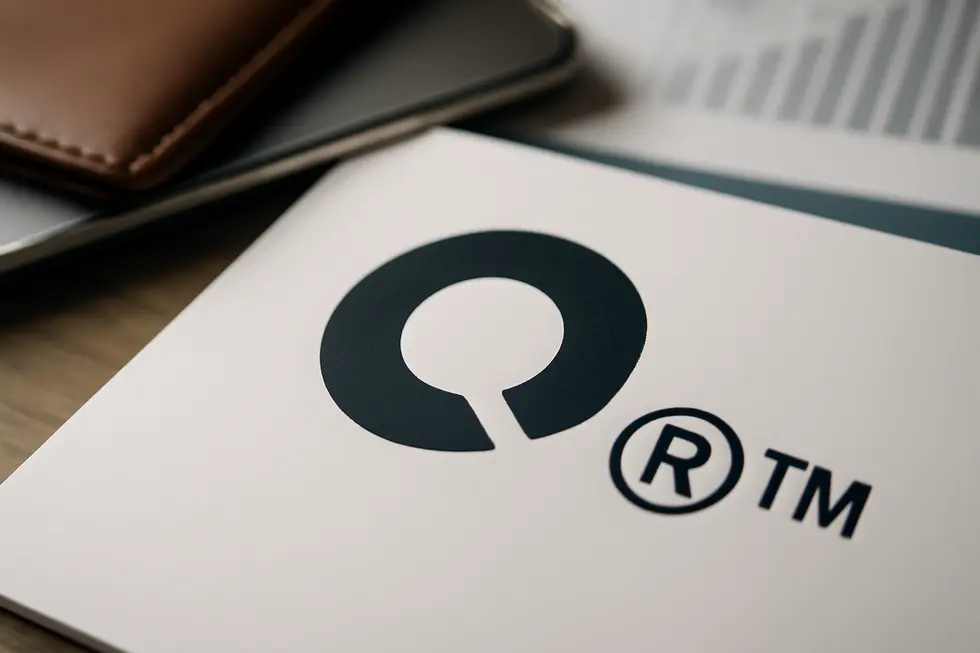
1. Decoding ™ and ®: How Trademark Symbols Fortify Logo Rights Protection
Trademark symbols are critical tools in asserting and safeguarding logo rights. The ™ symbol is employed to denote an unregistered trademark, signaling the owner’s claim to a mark without the legal weight of registration. While it does not grant exclusive rights, it serves as a deterrent to potential infringers by publicly declaring ownership intentions. In contrast, the ® symbol identifies a trademark that has received official registration through a recognized intellectual property office. This registered status confers exclusive legal rights to its owner, allowing firm action against unauthorized use and establishing stronger brand protection.
Using these symbols correctly communicates the legal standing of a brand’s logo and reinforces its distinctiveness in commerce. Registered trademarks not only enable enforcement against infringement but also support international protection frameworks, enhancing a brand’s value and market reach. Even unregistered marks marked with ™ hold significance by warning competitors of claimed rights. A thorough understanding of these symbols is essential for businesses committed to securing comprehensive logo rights. For deeper insights on trademark protection strategies, see resources like trademark2go.com’s explanation of trademark law and protection.
2. Understanding the Copyright Symbol’s Crucial Function in Logo Protection
The copyright symbol (©) serves as an unmistakable notice that a work is protected under copyright law, signaling ownership and discouraging unauthorized use. Though not legally mandatory in many jurisdictions, its presence on a logo indicates that the design incorporates original artistic expression safeguarded beyond mere trademark rights. This is important because while trademarks protect logos as business identifiers, copyright safeguards the creative elements within a logo’s design. Together, they form a layered approach to intellectual property protection.
The symbol thus plays a subtle but vital role in logo rights by alerting competitors and consumers alike to the legal protections backing the creative work. It enhances communication of ownership and can strengthen enforcement in disputes involving logo misuse. Furthermore, copyright management information tied to the symbol—such as the author’s name and usage terms—is also legally protected, preventing tampering or false claims.
For those interested in how copyright complements trademark law in business branding, detailed guidance is available on how copyright operates with logos to secure creative and commercial interests comprehensively.
3. The Power of Lawyer Symbols: Branding, Identity, and Trademark Protection in Legal Logos
Lawyer symbols such as the Scales of Justice, Gavel, Lady Justice, Pillars, Law Books, and Laurel Wreath embody core legal values like fairness, authority, and knowledge. These symbols create a visual language that conveys trust and professionalism, essential for law firms seeking to establish credibility through their logos. In legal branding, these enduring symbols are often combined with carefully chosen colors—blue, red, and green—to amplify associations with stability, power, and growth.
When incorporated into logos, these symbols transcend aesthetics; they become distinctive marks that identify a firm’s services. Trademark law protects such logos once registered, granting exclusive rights and preventing other entities from adopting confusingly similar designs. Using trademark symbols like ™ or ® signals this protection, strengthening the firm’s position against infringement and enhancing public recognition of its identity. This legal shielding is vital in preserving the reputation and distinctiveness that lawyer symbols help communicate.
Understanding how these iconic elements intersect with trademark rights clarifies their essential role in securing logo rights within the legal profession. For a deeper look at trademark protection of logos, see trademark2go.com/trademark-protection-business-name-logo/
4. Securing Brand Identity: The Critical Role of Trademarked Logos in Legal Protection
A trademarked logo serves as a vital legal symbol that protects a brand’s identity in commerce. Registering a logo as a trademark grants exclusive rights to its use, preventing others from adopting a confusingly similar mark in related industries. This exclusivity safeguards consumer recognition and preserves a brand’s reputation, reinforcing its market position. Beyond protecting a logo’s distinctiveness, trademark registration extends nationwide coverage, enabling businesses to confidently expand without risking infringement from competitors. The choice of logo is pivotal; it must be distinctive and non-descriptive to qualify for strong trademark protection. Unlike generic or purely descriptive designs, unique logos are more likely to secure enforceable trademark rights. Additionally, understanding the distinction between design marks—which protect the visual aspects of logos—and wordmarks—which protect textual elements—is essential when strategizing logo protection. A registered trademark often increases a company’s valuation by opening opportunities for licensing and franchising. For those navigating logo protection, resources like detailed guides on trademark protection for business names and logos offer valuable insights to strengthen legal standing and brand integrity.
5. Marking Authority: How Legal Symbols Serve as Powerful Shields Against Logo Infringement
Legal symbols play a pivotal role in asserting and defending logo rights. The registered trademark symbol, ®, signals that a logo has official registration with a national trademark office, like the USPTO, marking it as a legally protected asset. This symbol not only alerts competitors to avoid unauthorized use but also offers the holder stronger enforcement capabilities in disputes. In contrast, the unregistered ™ or ℠ symbols indicate claimed rights without formal registration, providing limited protection. Registering a logo as a trademark grants exclusive nationwide usage rights and allows the brand owner to publicly claim legal ownership. Strategically, protecting logos involves securing trademarks for distinctive elements separately and combined, ensuring comprehensive coverage against imitation. Prior to registration, conducting detailed trademark searches is vital to avoid conflicts and costly infringement issues later. Legal symbols thus serve as visual warnings and legal tools that reinforce a brand’s exclusive identity and prevent unauthorized exploitation. For deeper insights on trademark protection strategies, explore the detailed guidance on trademark protection for business names and logos.
Chapter 4: Best Practices for Securing Comprehensive Logo Rights

1. Strategic Logo Design and Trademark Registration for Enduring Brand Protection
Successful logo rights protection begins with creating a design that is both distinctive and legally defensible. A logo must avoid generic shapes and closely resemble no existing marks to meet trademark eligibility, ensuring it stands out as a unique brand identifier in commerce. Beyond creativity, anticipating future brand growth and diversification helps maintain the logo’s relevance and trademark strength over time. Once designed, trademark registration is essential; this process typically involves a careful search for conflicting marks and securing federal protection through intellectual property offices. Registered trademarks empower owners to enforce their rights robustly against infringement, while the proper use of trademark symbols enhances legal recognition and consumer awareness. Additionally, combining trademark registration with copyright offers a multidimensional shield—trademarks protect the logo’s business use, while copyrights safeguard the underlying original artistic design. Owners should actively monitor markets and digital platforms for misuse, employing proactive measures such as digital rights management and embedding ownership metadata to reinforce their claims. This integrated approach ensures comprehensive security and enduring control over one’s logo assets. For deeper insights on protecting logos as business identifiers, consider exploring trademark-specific guidance on trademark2go.com.
2. Building a Robust Defense: Strategies for Protecting Your Logo from Unauthorized Use
Securing your logo against unauthorized use requires a multi-layered approach combining trademark registration, copyright protection, and active vigilance. Registering your logo as a trademark with the United States Patent and Trademark Office grants nationwide legal enforcement rights, enabling you to halt infringing uses and pursue litigation if necessary. While copyright protection for the original artistic design exists automatically upon creation, formally registering it reinforces your legal standing in disputes. To maintain control, consistent monitoring of online platforms, marketplaces, and trademark filings is essential to detect potential infringements early. Additional deterrents include embedding ownership metadata and restricting unauthorized downloads or screenshots of your logo. When infringement arises, prompt legal action such as cease-and-desist letters serves to assert your rights firmly. For businesses with an international presence, obtaining trademark registrations abroad extends brand protection globally. By integrating federal trademark registration, copyright safeguards, continuous monitoring, and ready enforcement, you create a strong legal fortress around your logo and brand identity. For a detailed overview of trademark registration and enforcement, the insights from trademark protection resources can be valuable to business owners.
3. Ensuring Brand Integrity through Effective Trademark Licensing and Quality Control
Trademark licensing offers a strategic way to expand a brand’s reach by allowing others to use a logo under license, but this opportunity demands rigorous quality control to preserve the logo’s legal strength and reputation. Effective quality control means clearly establishing detailed standards for the licensed products or services—including materials, production methods, packaging, and marketing—to ensure consistency. Regular monitoring is crucial: licensors must conduct inspections, product testing, and audits to verify compliance while maintaining open communication to improve alignment with brand expectations. Equally important are enforcement mechanisms within licensing agreements to address non-compliance swiftly, ranging from warnings and corrective actions to suspensions or termination when necessary. This diligent oversight prevents the dilution of trademark rights that can occur from inconsistent or inferior use, safeguarding the logo as a distinctive brand identifier. For licensors aiming to maintain robust protection, adopting these comprehensive quality control practices in trademark licensing is essential. More insights on trademark protection can be found in our detailed guide on trademark protection for business names and logos.
4. Proactive Monitoring and Strategic Enforcement to Safeguard Logo Integrity
Securing comprehensive logo rights demands a blend of vigilant monitoring and strategic enforcement to protect brand identity effectively. Employing continuous monitoring tools enables real-time detection of unauthorized use across digital platforms, marketplaces, and advertising channels, ensuring quick intervention. Legal registration of your logo as a trademark in key jurisdictions establishes solid grounds for enforcement, while embedding ownership details in the logo’s metadata supports ownership claims in disputes. Licensing agreements must clearly define permitted uses, quality standards, and incorporate audit rights to maintain control and brand consistency. Open communication with licensees fosters compliance and mitigates misuse risks. For global protection, prioritize trademark registrations in markets essential to your business growth and leverage international filing systems for broader coverage. When infringement occurs, carefully collected evidence and expert legal counsel guide appropriate enforcement measures, such as cease and desist notices or litigation, balancing cost and effectiveness. Educating internal teams about intellectual property safeguards enhances overall compliance and supports enforcement efforts. Together, these practices create a resilient framework that balances prevention, detection, and action to uphold your logo’s exclusive rights. For deeper insights, refer to trademark2go.com for guidance on trademark protection of business names and logos.
5. Strategic Approaches to Robust Logo Rights and Brand Management
Securing comprehensive logo rights requires a strategic blend of legal registration, vigilant market monitoring, and proactive enforcement to safeguard a brand’s identity. Registering your logo as a trademark in all key jurisdictions establishes firm legal ownership and enables decisive action against infringers. Supplementing this, continuous surveillance of online marketplaces and digital platforms detects unauthorized usage early, allowing swift intervention. Internal policies must ensure consistent, compliant logo use across all communications, minimizing risks of inadvertent dilution or infringement.
Collaborating with intellectual property attorneys helps navigate complex international regulations and utilize treaty mechanisms for broader protection. Enforcement should be measured—beginning with cease-and-desist notices and escalating to legal remedies when necessary—to protect both the logo and the brand’s market position. Financial risk mitigation, such as IP insurance, further secures resources for defending rights. Finally, addressing unauthorized online advertising and investigating counterfeit origins strengthens overall defense. Adopting these integrated practices builds resilient logo protection and sustained brand integrity. For expanded insights on trademark procedures, see this resource on trademark protection for business names and logos.
Final thoughts
A solid understanding of logo rights is essential for business owners who want to safeguard one of their most valuable assets—their brand identity. By securing copyright protection, your original logo design gains legal recognition as a creative work, shielding it from unauthorized replication. Meanwhile, registering trademarks ensures your logo functions as a distinctive mark in commerce, allowing you to prevent confusion and competitive misuse. Recognizing the significance of trademark symbols further strengthens your enforcement capabilities by signaling your protected status to the public. Ultimately, combining these legal tools with best practices—such as registering both logo and brand name trademarks and working with intellectual property professionals—creates a robust shield around your logo. Protecting your logo rights isn’t just a legal formality; it’s a strategic investment in your business’s reputation and long-term growth.
Your IP is the foundation of your success – let’s protect it together before it’s too late. We can’t wait to help you turn your ideas into legally secured assets.
About us
undefined