Introduction
Understanding the distinctions between registered trademarks and copyrights is vital for business owners seeking to protect their innovations and brand identity. While both serve to safeguard intellectual property, each offers a unique scope of protection tailored to different aspects of business. Trademarks primarily focus on brand identifiers such as names and logos, ensuring that consumers can easily recognize and differentiate your products from others in the marketplace. In contrast, copyrights safeguard original creative works like books, music, and art, preventing unauthorized duplication and distribution. This article breaks down the key differences and interconnections between these two forms of intellectual property protection, covering their definitions, purposes, durations, registration processes, commercial scopes, and practical implications for businesses. By the end, you’ll grasp how to effectively leverage both trademarks and copyrights to enhance your brand’s legal standing and commercial viability.
Tables of Contents
Chapter 1: Exploring the Nuances of Intellectual Property: Registered Trademarks and Copyrights
- Defining Legal Protections: Registered Trademarks versus Copyright
- Deciphering the Distinct Roles of Trademarks and Copyrights in Intellectual Property
- The Path of Protection: Registration, Duration, and Rights in Trademarks and Copyrights
- Exploring the Impact of Registered Trademark and Copyright on Brand Identity and Creative Rights
Chapter 2: The Crucial Distinction Between Brand Identity Preservation and Creative Expression
- The Essential Role of Registered Trademarks in Cultivating Brand Identity
- Delving into Copyright’s Role in Creative Protection: A Contrast with Trademarks
- Understanding Legal Mechanisms: Enforcement Paths of Trademarks and Copyrights
- Navigating the Economic and Societal Landscape: The Distinct Roles of Trademarks and Copyrights
Chapter 3: Navigating the Timelines: Understanding Duration in Intellectual Property
- Understanding the Temporal Landscape of Registered Trademarks and Copyrights
- The Lifespan of Intellectual Property: Navigating Renewal and Expiration
- Economic Perspectives on Duration: Trademarks vs Copyrights
- Cultural Implications of Duration: The Lasting Influence of Trademarks and Copyrights
Chapter 4: Navigating the Trademark Registration Maze: A Detailed Look at the Process
- Mastering the Trademark Registration Steps: Securing Your Brand’s Identity
- Unpacking the Copyright Registration Journey: Essential Steps for Creators
- Distinct Pathways: The Registration Journey of Trademarks vs Copyrights
- Understanding the Legal Landscape: Trademark and Copyright Registration Challenges
Chapter 5: Navigating Brand Identity Safeguards: The Distinct Roles of Registered Trademark and Copyright
- Delving into the Dual Protections: Registered Trademark and Copyright for Sustaining Brand Identity
- Understanding the Boundaries: Exploring Trademark and Copyright Protections
- The Lifespan of Intellectual Property: Duration and Its Commercial Ramifications
- Geographical Boundaries of Protection: Trademarks and Copyright in Commerce
Chapter 6: Strategic Considerations for Business Success: Navigating Trademark and Copyright Protections
- The Essential Role of Trademark Protection in Business Strategy
- Unpacking the Durations and Scope of Copyright Protection in Business
- Legal Strategies for Businesses: Effective Enforcement of Trademarks and Copyrights
- Harmonizing Brand Identity and Creative Content for Business Growth
Chapter 1: Exploring the Nuances of Intellectual Property: Registered Trademarks and Copyrights
1. Defining Legal Protections: Registered Trademarks versus Copyright
A registered trademark serves as a protector of brand identifiers—names, logos, slogans, and symbols—distinguishing one entity’s goods or services from another’s in commerce. Its primary legal function is to aid in consumer recognition and prevent confusion. In contrast, copyright safeguards original creative expressions such as literature, music, art, and software, granting creators exclusive rights to reproduce and distribute their works. While trademarks require distinctiveness and commercial use for robust protection, copyrights automatically cover works upon fixation, offering a lifespan of the author’s life plus 70 years. Understanding these differences is essential for effective intellectual property strategy, enabling entities to safeguard both their commercial identity and creative expressions comprehensively. For detailed guidance on navigating these legal waters, consider resources on trademark and copyright protections.
2. Deciphering the Distinct Roles of Trademarks and Copyrights in Intellectual Property
Trademarks and copyrights both serve crucial functions within intellectual property law, yet their purposes and applications differ significantly. Trademarks uniquely identify a brand’s goods or services, functioning to prevent consumer confusion and protect brand identity. This form of protection includes names, logos, and slogans, which can be registered and renewed indefinitely, provided they remain in use. In contrast, copyrights shield the original expression of creative works, like books and music, automatically applying upon fixation. While trademark protection helps delineate sources in commerce, copyright ensures creators retain exclusive control over their artistic expressions. Notably, assets like logos may benefit from both protections, encapsulating both artistic merit and commercial utility.
3. The Path of Protection: Registration, Duration, and Rights in Trademarks and Copyrights
The nuances of registered trademarks and copyrights become evident when examining their registration processes, duration of protection, and the rights they confer. Trademarks must be registered through the United States Patent and Trademark Office (USPTO), requiring distinctiveness and commercial use to qualify. Although registration isn’t mandatory, it offers significant legal advantages, such as public notice of ownership and stronger enforcement rights. Conversely, copyrights automatically protect original works once fixed in a tangible form without requiring prior registration. Nonetheless, registering with the U.S. Copyright Office can bolster legal claims in infringement scenarios. Duration also varies; trademarks can last indefinitely but must be renewed every ten years, ensuring ongoing protection. In contrast, copyrights endure for the creator’s lifetime plus seventy years, safeguarding creative works for future generations. The rights granted by trademarks prevent consumer confusion in the marketplace by restricting similar marks, while copyrights empower creators with exclusive rights, allowing them to control the reproduction and distribution of their original works.
4. Exploring the Impact of Registered Trademark and Copyright on Brand Identity and Creative Rights
A registered trademark plays a critical role in protecting brand identity through distinctive elements, such as names, logos, and slogans. This legal safeguard not only enhances consumer recognition but also fortifies a brand’s market position by preventing the use of confusingly similar identifiers. In contrast, copyright secures the creative ownership of original works, whether they be literature, art, or music. It establishes exclusive rights for creators to reproduce, distribute, and display their expressions, lasting typically for the creator’s lifetime plus 70 years. Understanding these two forms of protection is essential for businesses and creators to ensure robust safeguarding of their intellectual property assets and brand equity.
Chapter 2: The Crucial Distinction Between Brand Identity Preservation and Creative Expression

1. The Essential Role of Registered Trademarks in Cultivating Brand Identity
A registered trademark is vital for defending a brand’s identity, ensuring that specific names, logos, slogans, or symbols are legally protected from use by others in the marketplace. This protection enables consumers to recognize the origin of products or services, lowers the risk of brand confusion, and fosters customer loyalty and trust. While trademarks secure the distinct elements that represent a business, copyright speaks to the protection of creative works, covering their artistic execution rather than their role in commerce. Therefore, while both protections are essential, trademarks are crucial for maintaining and enforcing brand identity, whereas copyright safeguards the creative endeavors that contribute to that identity. For further insights on trademark registration, see this guide on trademark protection for businesses.
2. Delving into Copyright’s Role in Creative Protection: A Contrast with Trademarks
Copyright serves a vital role in the nurturing and protection of creative works, encompassing an array of expressions from literature and music to software and visual arts. This intellectual property right confers exclusive powers to the creator over their work, allowing them to reproduce, distribute, and display it without interference. Unlike registered trademarks, which focus on brand identifiers to prevent consumer confusion in the marketplace, copyright seeks to foster creativity and innovation by ensuring that original expressions are safeguarded against unauthorized use. While copyright is automatically conferred upon fixation of a work, registration can enhance enforcement capabilities in legal situations, marking a distinct yet complementary aspect of intellectual property law.
3. Understanding Legal Mechanisms: Enforcement Paths of Trademarks and Copyrights
The legal frameworks governing registered trademarks and copyrights embody stark contrasts in purpose and enforcement. Registered trademarks primarily serve to safeguard brand identifiers, ensuring that names, logos, and slogans are distinct in the marketplace. This protection aims to prevent consumer confusion and preserve the commercial identity of brands. Enforcement focuses on stopping unauthorized uses that may mislead consumers.
In contrast, copyright protects the creative expression found in literature, art, and music, granting creators control over reproduction and distribution. Its enforcement is aimed at unauthorized copying rather than brand identity concerns. As such, while both protections are vital in their spheres, they emphasize markedly different aspects of intellectual property rights, fostering both brand integrity and creative innovation.
4. Navigating the Economic and Societal Landscape: The Distinct Roles of Trademarks and Copyrights
The economic and societal impacts of registered trademarks and copyrights reveal their unique roles in fostering both marketplace differentiation and cultural creativity. Trademarks, designed to protect brand identifiers like logos and names, enhance consumer recognition, loyalty, and market competition. They serve as a vital tool for businesses seeking investment, as a recognizable brand often translates into increased consumer trust and sales. In contrast, copyrights safeguard original creative works, enabling authors and artists to monetize their labor through sales or licenses. This intellectual protection stimulates innovation while enriching cultural landscapes. Yet, the rigorous enforcement of copyright may inhibit access to knowledge, presenting complex ethical challenges. Thus, the interplay between trademarks and copyrights shapes not just markets but also societal values.
Chapter 3: Navigating the Timelines: Understanding Duration in Intellectual Property
1. Understanding the Temporal Landscape of Registered Trademarks and Copyrights
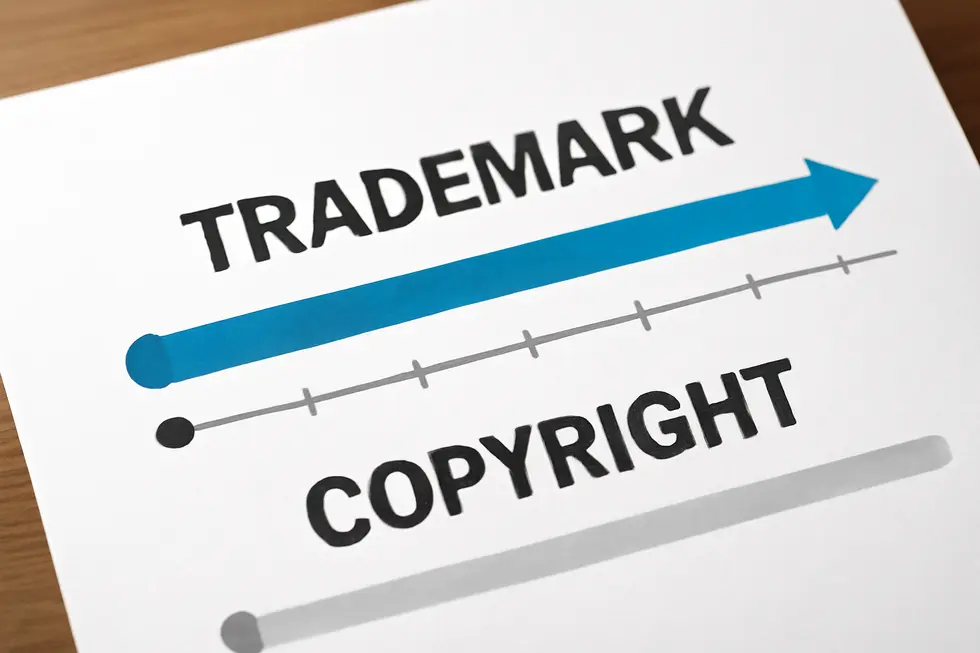
The duration of protection for registered trademarks and copyrights reveals fundamental differences in their legal frameworks. A registered trademark confers an initial protection period of 10 years, which can be renewed indefinitely, provided the owner continues to use the mark in commerce and pays renewal fees. In contrast, copyrights last for the lifetime of the creator plus 70 years, or 95 years from publication for corporate works, with copyright protection granted automatically upon the fixation of a work. Though renewal of trademarks is essential to maintain rights, copyrights do not require renewal, highlighting distinct protective purposes: ongoing brand identity for trademarks versus limited-time creative expression for copyrights. For more information about trademark law, visit https://trademark2go.com/trademark-protection-business-name-logo/.
2. The Lifespan of Intellectual Property: Navigating Renewal and Expiration
The distinction between the duration of registered trademarks and copyrights is crucial for creators and businesses alike. Registered trademarks can endure indefinitely, provided that they are actively used in commerce and are properly renewed every 10 years. This process begins with a Declaration of Continued Use filed between the 5th and 6th year of registration, followed by consistent renewal. Conversely, copyright protection is automatic upon the creation of a work and typically lasts for the lifetime of the creator plus 70 years, or 95 years for corporate works. Unlike trademarks, copyrights require no renewal, but once the term expires, the work transitions into the public domain, losing all protection. Understanding these differences is essential, particularly for those looking to protect unique brand elements or original creative expressions. For further guidance on maintaining these protections, explore resources on trademark and copyright maintenance.
3. Economic Perspectives on Duration: Trademarks vs Copyrights
The durations of trademark and copyright protections carry significant economic implications for businesses and creators alike. Registered trademarks offer a distinct advantage by remaining effective indefinitely, provided they are actively used and renewed. This encourages substantial investment in branding, allowing companies to build sustained reputational value and customer loyalty. Conversely, copyrights are governed by fixed terms—typically lasting the life of the creator plus 70 years—promoting a controlled release of creative works into the public domain. This ensures timely monetization for authors while fostering a diverse marketplace of ideas, benefiting both creators and consumers. Hence, understanding these distinctions aids stakeholders in strategizing effectively.
4. Cultural Implications of Duration: The Lasting Influence of Trademarks and Copyrights
The duration of protection for trademarks and copyrights plays a pivotal role in shaping societal and cultural landscapes. Trademarks can endure indefinitely, provided they remain in use and are renewed, which allows businesses to maintain a consistent brand identity over generations. This unbroken connection builds trust among consumers. Conversely, copyrights typically last for the lifetime of the creator plus 70 years, ensuring that creators can benefit from their original works while also allowing eventual public access, which enriches cultural heritage. This balance enhances creative expression while also preserving brand integrity, necessitating an understanding of cultural implications within intellectual property laws.
Chapter 4: Navigating the Trademark Registration Maze: A Detailed Look at the Process

1. Mastering the Trademark Registration Steps: Securing Your Brand’s Identity
Trademark registration is integral for businesses aiming to shield their brand identity. The journey starts with a trademark search, a critical step that ensures your desired mark is not currently in use, preventing potential conflicts. Next, you must prepare your application, compiling details about the trademark, including its name, logo, and the class of goods or services it represents. After careful preparation, you file the application with the appropriate trademark office, such as the U.S. Patent and Trademark Office (USPTO). Once submitted, the trademark office will conduct an examination to look for issues. If all goes smoothly, your trademark is then published for opposition before finally achieving registration, granting you the rights to use this mark commercially and safeguarding your brand’s integrity.
2. Unpacking the Copyright Registration Journey: Essential Steps for Creators
The copyright registration process is vital for creators aiming to safeguard their original works. Firstly, documenting your work meticulously is essential; gather drafts, final versions, and any supporting materials, all marked with creation dates and descriptive details. Next, select the appropriate category for your creation—be it literary, musical, or software—to ensure comprehensive protection. After this, accurate completion of application forms is crucial before submitting them to the U.S. Copyright Office along with the required fees. Upon review, you will receive a certificate of registration, which solidifies your legal ownership and enforces your rights against unauthorized use, solidifying the integrity of your creative expression.
3. Distinct Pathways: The Registration Journey of Trademarks vs Copyrights
The registration processes for trademarks and copyrights illustrate contrasting approaches in intellectual property protection. Trademarks focus on protecting identifiers that distinguish goods or services; thus, their registration involves conducting a thorough search for existing marks, submitting a detailed application, and undergoing an examination for compliance. This step-by-step journey ensures that the mark is distinctive and prevents consumer confusion. In contrast, copyright protection is automatic upon the creation of original works and requires no formal registration, although doing so offers added legal advantages. While the trademark registration process can be extensive and time-consuming, copyright registration is simpler, generally allowing creators to establish ownership more quickly. Such differences highlight the unique roles each protection plays in the marketplace.
4. Understanding the Legal Landscape: Trademark and Copyright Registration Challenges
The registration processes for trademarks and copyrights present distinct legal landscapes brimming with implications and challenges. Trademark registration seeks to establish the uniqueness of brand identifiers, which necessitates distinctiveness to avoid consumer confusion, along with periodic renewals to maintain rights. In contrast, copyright registration protects original works automatically upon their fixation in a tangible medium; however, registering can enhance enforcement rights, offering prima facie evidence of ownership and eligibility for statutory damages in infringement cases. The overlap in the protection of logos and slogans, which may require both registrations, adds complexity to strategic decisions, underscoring the importance of understanding each process thoroughly. For businesses, navigating these challenges can safeguard their interests and enhance their competitive edge.
Chapter 5: Navigating Brand Identity Safeguards: The Distinct Roles of Registered Trademark and Copyright
1. Delving into the Dual Protections: Registered Trademark and Copyright for Sustaining Brand Identity
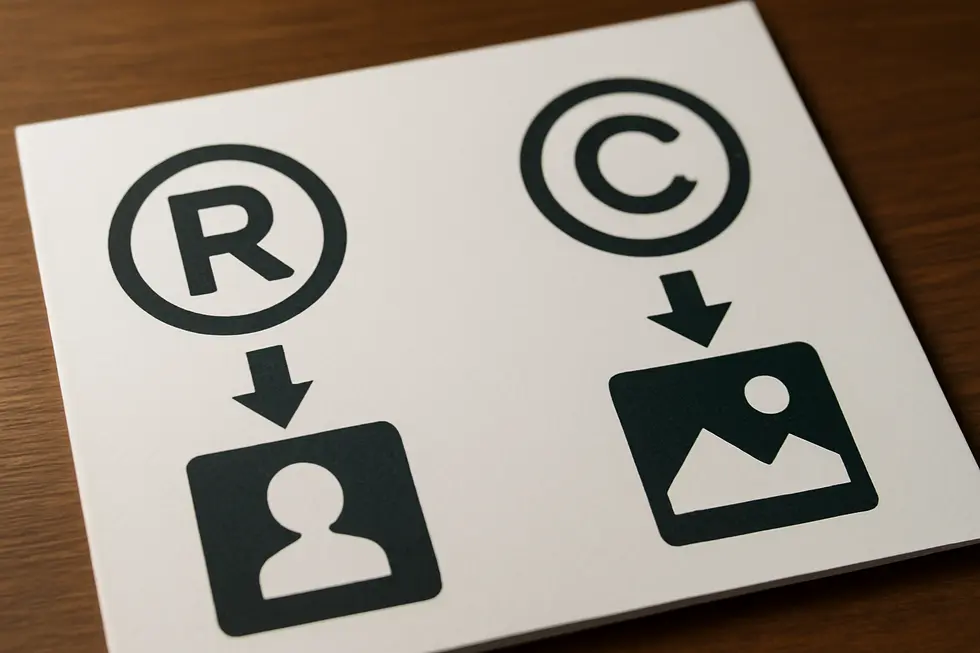
In the competitive landscape of commerce, brand identity serves as a crucial asset, safeguarded primarily through two main legal instruments: registered trademarks and copyrights. While both are facets of intellectual property law, their focus diverges significantly. Registered trademarks are designed to protect elements that identify and distinguish a brand—such as names, logos, and slogans—allowing businesses to prevent consumer confusion regarding the source of goods or services. Conversely, copyright addresses the protection of original creative works—like literature, music, and art—often extending to the artistic elements of brand identifiers. Thus, for comprehensive protection, businesses often combine both strategies to secure their brand’s identity.
2. Understanding the Boundaries: Exploring Trademark and Copyright Protections
Intellectual property rights are paramount for businesses and creatives, safeguarding the distinctive elements that drive commercial identity. Registered trademarks offer protection primarily for names, logos, and slogans, helping consumers distinguish one brand from another. This legal safeguarding is vital in maintaining brand integrity and preventing confusion in the marketplace. Conversely, copyrights shield original creative works like literature, music, and art, ensuring artists retain exclusive rights over their creations. While trademarks necessitate formal registration for robust legal protections, copyrights automatically protect works upon creation, although registration enhances enforceability. This dual framework ensures both creativity and brand identity thrive in commerce.
3. The Lifespan of Intellectual Property: Duration and Its Commercial Ramifications
Understanding the duration of protection for trademarks and copyrights is pivotal for businesses. Trademarks can be renewed indefinitely, lasting ten years initially, allowing businesses to maintain brand recognition as long as they use the mark in commerce. In contrast, copyrights offer a more fixed term, typically lasting the lifetime of the creator plus 70 years. This notable difference influences business strategies significantly. Engaging in proper trademark registration invites ongoing brand loyalty through consistent marketing, while recognizing copyright duration is crucial for protecting original works such as software and literature to prevent unauthorized use. Secure both protections for optimal commercial advantage.
4. Geographical Boundaries of Protection: Trademarks and Copyright in Commerce
Registered trademarks grant owners exclusive rights to use their marks across the country, ensuring nationwide recognition that enhances brand identity. However, these rights can face limitations from prior users of similar marks in their geographic areas, which highlights the importance of conducting thorough searches prior to registration. In contrast, copyright protection arises automatically upon the creation of an original work, flowing from the moment creativity is expressed. This protection is generally recognized within national borders but can extend internationally due to agreements such as the Berne Convention. While trademarks shield commercial identifiers from consumer confusion, copyrights offer a protective umbrella for creative expressions irrespective of commercial intent.
Chapter 6: Strategic Considerations for Business Success: Navigating Trademark and Copyright Protections

1. The Essential Role of Trademark Protection in Business Strategy
Understanding trademark protection in a business context is pivotal. Registered trademarks safeguard brand identifiers like names and logos, offering indefinite protection as long as they are actively used and renewed. This protection shields a business from competitors using similar marks that could confuse consumers, thereby preserving brand identity and consumer trust. In contrast, copyright protects the artistic aspects of branding, such as the design elements, for a limited duration. It is crucial for businesses to secure both trademarks and copyrights where applicable. This dual approach not only fosters creative expression but also enhances brand strength in the marketplace, ensuring comprehensive protection of identity and creative work.
2. Unpacking the Durations and Scope of Copyright Protection in Business
Understanding the scope and duration of copyright protection is essential for businesses in today’s creative landscape. Copyright safeguards original works, including artistic elements embedded in logos, allowing creators exclusive rights over reproduction, distribution, and derivative works. This protection is automatically granted upon fixation of the work and covers a broad range of expressions—vital for companies with unique artistic branding.
While copyright lasts for the life of the creator plus 70 years, it can extend up to 95 years for works made for hire. Additionally, businesses must consider that copyright does not require renewal, unlike trademarks which protect brand identifiers and can last indefinitely if maintained. Thus, for effective brand and creative asset protection, both copyright and trademark registrations should be pursued, enhancing legal defenses against misuse.
3. Legal Strategies for Businesses: Effective Enforcement of Trademarks and Copyrights
The enforcement mechanisms for registered trademarks and copyrights are essential for businesses aiming to protect their intellectual property. Trademark enforcement targets the prevention of consumer confusion, dilution, or tarnishment, allowing trademark owners to sue for infringement based on the likelihood of confusion. This necessitates active monitoring and legal action, including cease-and-desist letters and lawsuits. Conversely, copyright enforcement focuses on unauthorized reproduction or distribution of creative works. While copyright does not require registration, it enhances enforcement capabilities in court. Businesses must balance these legal considerations, ensuring proper registration and diligent maintenance to fortify their intellectual property rights, thereby safeguarding their brand identity and creative outputs. For additional guidance on trademark protection, see Trademark Protection for Business Name and Logo.
4. Harmonizing Brand Identity and Creative Content for Business Growth
Integrating registered trademarks and copyrights creates a robust strategy for business success. Trademarks protect critical brand identifiers like logos and slogans, distinguishing products in the competitive market. This legal safeguard fosters customer loyalty and brand reputation while allowing for periodic renewal and other benefits. Conversely, copyrights secure the original creative works, from literature to digital content, allowing creators to maintain exclusive rights and control over their works. For effective business practice, combining these protections is essential; a logo could be both a trademark and represent a copyrightable piece of art. This strategic integration not only enhances market differentiation but also opens revenue opportunities through licensing agreements, reduces infringement risks, and supports global expansion endeavors. By harmonizing their brand identity with their creative assets, businesses can confidently navigate the complexities of intellectual property management.
Final thoughts
In navigating the realm of intellectual property, understanding registered trademarks and copyrights is crucial for business owners. Each offers distinct yet complementary protections that can enhance your brand’s integrity and foster creativity. Trademarks not only help secure a unique identity in a crowded marketplace but also provide an avenue for building consumer trust and loyalty. Meanwhile, copyright protects the fruits of creativity, ensuring that your original works aren’t exploited without your permission. As a business owner, leveraging both protections strategically can safeguard your innovations, foster growth, and establish a strong market presence. With a solid grasp of these intellectual property tools, you can enhance your brand’s legal standing and transform your ideas into lasting assets.
Your IP is the foundation of your success – let’s protect it together before it’s too late. We can’t wait to help you turn your ideas into legally secured assets.
About us
undefined