
Introduction
The phrase ‘Mark Pro Harbours’ presents a unique challenge for business owners aiming to leverage clear, actionable insights due to a surprising absence of direct or established references. Understanding this term requires examining related domains and similar nomenclature to uncover any underlying value or potential confusion affecting business decisions. This exploration begins with addressing the lack of direct references, followed by a review of a personal name closely linked—Marc Harbour. Next, broader harbour-related topics provide context and tangential relevance, bridging towards maritime and recreational activities that may indirectly intersect with business interests. Finally, we highlight critical limitations and clarifications to help business owners navigate this ambiguous terrain with confidence and informed caution.
Tables of Contents
Chapter 1: Exploring the Context of Mark Pro Harbours: Absence of Direct References
- Technological Trends Influencing Modern Harbour Operations: Insights Despite Absent Specific References
- Unseen Economic Currents Shaping the Landscape Behind Mark Pro Harbours
- Navigating Geopolitical Currents: Understanding Strategic Implications Amid Undefined Mark Pro Harbours
- Cultural Memory and Coastal Narratives: Interpreting the Unseen Context of Mark Pro Harbours
- Overcoming Data Scarcity: Methodological Insights in Uncovering the Context of Mark Pro Harbours
Chapter 2: Marc Harbour: The Personal Name Connection to Mark Pro Harbours
- Marc Harbour’s Role in Fredericksburg’s Real Estate Market and Its Distinction from ‘Mark Pro Harbours’
- Distinguishing the Real Estate Landscape: From The Harbour Group to Realtor Marc Harbour
- Navigating First-Time Homebuyers and Sellers: The Client Focus of Marc Harbour
- Unraveling Name Similarities: Why Marc Harbour and Mark Pro Harbours Are Unrelated
- Unraveling the Link: Insights into Marc Harbour and the Undefined Mark Pro Harbours
Chapter 3: General Harbour Topics Related to Mark Pro Harbours
- Essential Harbour Practices and Procedures Governing Safe and Sustainable Operations
- Navigating Globalization: Evolving Trends and Strategic Responses in Modern Ports
- From Ancient Dockyards to Legal Seas: The Evolution of Harbour Marking and Governance
- Essential Navigation Regulations Governing Vessel Movement in Mark Pro Harbours
- Balancing Infrastructure, Environment, and Community in Harbour Development
Chapter 4: Navigational Safety and Environmental Stewardship at Mark Pro Harbours
- Ensuring Safe Passage: Navigational Rules and Environmental Protocols at Mark Pro Harbours
- Economic Contributions of Recreational Boating and Harbour Facilities to Regional Prosperity
- Sustaining Coastal Ecosystems: Environmental Stewardship in Maritime and Recreational Harbour Activities
- Fostering Community Identity and Participation through Maritime Cultural Engagements
- Integrating Cutting-Edge Technology for Safer and Smarter Recreational Harbours
Chapter 5: Limitations and Clarifications on the Topic of Mark Pro Harbours
- Navigational and Infrastructural Challenges Underpinning Mark Pro Harbours’ Technology
- Economic Realities Behind Mark Pro Harbours: Navigating Costs and Regulatory Demands
- Navigating Legal Boundaries: Jurisdiction and Regulatory Challenges Surrounding Mark Pro Harbours
- Balancing Environmental Integrity and Community Safety in Harbor Management
- Navigating Operational Complexities and Policy Frameworks in the Context of Mark Pro Harbours
Chapter 1: Exploring the Context of Mark Pro Harbours: Absence of Direct References

1. Technological Trends Influencing Modern Harbour Operations: Insights Despite Absent Specific References
Although no direct information on “Mark Pro Harbours” exists, examining technological trends in port and terminal operations offers valuable context. Modern harbours increasingly depend on real-time data systems to track cargo and optimize logistics. Advanced decision-support tools leverage analytics to enhance berth management, equipment scheduling, and workforce deployment, improving operational agility. Automation is gaining traction, with robotic cranes and automated guided vehicles enhancing throughput and safety. Seamless integration across transport modalities ensures smooth cargo transitions from ship to rail or road, reflecting evolving supply chain demands. These innovations reveal how technology drives competitive edge in maritime logistics, even if specifics about “Mark Pro Harbours” remain unavailable. This perspective highlights the sector’s resilience and adaptability through digital transformation, underscoring the value of technological agility in harbour management. For those interested in protecting intellectual property innovations in such environments, understanding trademark protection can be essential.
2. Unseen Economic Currents Shaping the Landscape Behind Mark Pro Harbours
While no direct information exists for “Mark Pro Harbours,” broader economic themes surrounding ports provide valuable insight. Ports drive international trade, catalyzing local employment and infrastructure growth beyond their logistical role. The shift toward clean energy hubs transforms traditional port functions into centers for producing renewable fuels like green ammonia. This evolution attracts investments and fosters emerging green job markets, as seen in projects across South Africa and Brazil. Meanwhile, global trade patterns and tariff policies continue to influence port activity and economic stability. Fluctuations in trade balances and container volumes reflect the sensitive interplay between trade agreements and port operations. Understanding these interconnected economic forces helps contextualize the significance of harbours globally, even when specific references like “Mark Pro Harbours” remain elusive. For deeper understanding of intellectual property frameworks relevant to business identities in such sectors, one can explore important insights into trademark protection.
3. Navigating Geopolitical Currents: Understanding Strategic Implications Amid Undefined Mark Pro Harbours
Mark Pro Harbours, lacking specific direct references, invites analysis through the lens of broader geopolitical currents influencing maritime hubs globally. Harbours often serve as pivotal strategic assets where nations assert influence to secure trade routes and project power. The establishment of military installations by dominant states in key regions demonstrates how control over such maritime points reshapes alliances and regional stability. Trade security, resource access, and naval presence create a complex chessboard where competing interests ignite tensions, especially when multiple powers vie for the same strategic waterfronts. Regional partnerships foster cooperation amid these pressures, balancing security with economic development. Although Mark Pro Harbours remains undefined, examining the geopolitical significance of port control highlights core dynamics shaping international relations. For further insight into strategic interests and security considerations relevant to such contexts, exploring detailed analyses of base establishment strategies offers valuable perspective.
4. Cultural Memory and Coastal Narratives: Interpreting the Unseen Context of Mark Pro Harbours
In the absence of direct references to “Mark Pro Harbours,” understanding its societal and cultural context requires drawing upon interpretive frameworks from heritage and coastal studies. Coastal landscapes and material culture often serve as silent yet powerful vessels of memory, identity, and resilience, especially in communities where written records are limited or have been marginalized. Artistic and visual culture offer additional layers of meaning, revealing shifting narratives through symbolism that encodes historical experiences and social dynamics. Such cultural expressions become essential in reconstructing histories that evade conventional documentation, enabling the highlighting of alternative epistemologies shaped by colonial legacies and displacement. For maritime and littoral communities, the environment itself acts as a living archive, reflecting survival strategies and cultural continuity. This interdisciplinary approach aligns with methods used to explore heritage in African Ancestry coastal communities, demonstrating how place and art together foster nuanced understandings when direct textual sources are unavailable. Further insight into cultural ownership and identity frameworks can be linked to broader discussions on intellectual property and trademark protection, which help safeguard communal expressions in contemporary contexts.
5. Overcoming Data Scarcity: Methodological Insights in Uncovering the Context of Mark Pro Harbours
Researching topics like Mark Pro Harbours without direct references challenges conventional methods. When straightforward data or documentation are missing, investigators must turn to indirect or proxy sources, requiring careful interpretation to avoid bias. This data scarcity demands combining qualitative insights with quantitative analysis, utilizing tools such as bibliometric reviews or meta-analyses to piece together fragmented knowledge. Applying advanced statistical techniques or machine learning can also help extract meaningful patterns despite incomplete datasets. Such approaches must rigorously evaluate data reliability and limitations to maintain accuracy. Although direct information may be absent, interdisciplinary strategies enable the synthesis of evidence from related fields, shedding light on complex topics and offering conceptual clarity. For further understanding of managing data challenges in research, exploring comprehensive intellectual property methods can be illuminating.
Chapter 2: Marc Harbour: The Personal Name Connection to Mark Pro Harbours

1. Marc Harbour’s Role in Fredericksburg’s Real Estate Market and Its Distinction from ‘Mark Pro Harbours’
Marc Harbour is a well-established real estate professional in Fredericksburg, Virginia. Specializing in guiding clients through residential property transactions, especially first-time buyers and sellers, he focuses on clear communication and education throughout the process. With over 250 documented sales and listings, Harbour’s reach extends beyond Fredericksburg into nearby communities like King George and Aylett. His portfolio highlights diverse property types and price ranges, reflecting his adaptability and deep local knowledge. Despite the phonetic similarity, there is no evidence connecting Marc Harbour to “Mark Pro Harbours.” No records or aliases suggest a professional or personal link between the two names. Marc Harbour’s reputation remains firmly rooted in real estate, distinct from any maritime or marking-related interpretations of the phrase. For business owners interested in name protections and clear identity distinctions, understanding such nuances is crucial; resources on trademark protection for business names and logos provide valuable guidance.
2. Distinguishing the Real Estate Landscape: From The Harbour Group to Realtor Marc Harbour
Within the U.S. real estate market, the similarity in names between Harbor Group International and Realtor Marc Harbour often causes confusion. Harbor Group International is a global institutional investor managing billions in multifamily and commercial properties with a focus on value-add strategies and large-scale acquisitions. In contrast, Marc Harbour is a residential real estate agent operating locally in Fredericksburg, Virginia, known primarily for assisting individual home buyers and sellers. There is no business affiliation linking Marc Harbour with Harbor Group International. Furthermore, no credible information associates either with the name “Mark Pro Harbours.” This underlines the importance of differentiating large institutional entities from individual agents, especially when names appear similar but functions and scopes differ significantly. Understanding these distinctions helps clarify the real estate market’s segmented nature and avoids misconceptions about potential connections. For more insight on protecting business identifiers in such contexts, one can explore topics like company name copyright registration.
3. Navigating First-Time Homebuyers and Sellers: The Client Focus of Marc Harbour
Marc Harbour’s expertise centers on guiding first-time buyers and sellers through real estate transactions in Fredericksburg, VA. Understanding that purchasing or selling a home is often a client’s largest financial decision, he emphasizes clear communication and education throughout the process. His commitment to personalized service helps clients confidently navigate complexities, from initial inquiries to closing deals. This dedication has earned him a strong reputation within the local market, particularly among those new to real estate. While his name coincidentally echoes the phrase “Mark Pro Harbours,” there is no connection beyond nomenclature. Marc Harbour’s role as a supportive agent reflects a distinct professional identity focused on community and client growth rather than maritime or marking concepts. For more insights on business name protection and related matters, exploring guidance on company name copyright registration can be valuable.
4. Unraveling Name Similarities: Why Marc Harbour and Mark Pro Harbours Are Unrelated
Marc Harbour is a real estate professional based in Fredericksburg, Virginia, with no public ties to maritime businesses or harbor-related ventures. Despite sharing phonetic echoes with the phrase “Mark Pro Harbours,” thorough searches reveal no organization, brand, or product by that name. This absence indicates that any perceived connection is purely coincidental and rooted in nominal resemblance rather than shared identity or purpose. Marc’s career focuses exclusively on local residential property transactions, which contrasts sharply with the maritime or port industry that the phrase might imply. The variation between “Marc” and “Mark,” alongside the pluralized “Harbours,” further emphasizes a lack of linkage beyond surface similarities. This exploration affirms that no substantive or professional bridge exists between Marc Harbour and any entity called Mark Pro Harbours. For further guidance on distinguishing and protecting business names and trademarks, exploring trademark protection for business names and logos can provide valuable insights.
5. Unraveling the Link: Insights into Marc Harbour and the Undefined Mark Pro Harbours
The investigation into the phrase “Mark Pro Harbours” in relation to Marc Harbour yields no definitive connection. Marc Harbour is a recognized real estate professional in Fredericksburg, Virginia, specializing in assisting first-time buyers and sellers. Despite sharing a similar name, there is no evidence connecting him to any entity, product, or concept called “Mark Pro Harbours.” This term remains undocumented and elusive across various domains including real estate and maritime contexts. Without explicit data, it appears “Mark Pro Harbours” may be a misinterpretation or an unrelated phrase lacking public or professional relevance tied to Marc Harbour. Should further details emerge, they would be crucial in establishing any relationship. For a deeper understanding of protecting unique names or terms in business contexts, exploring trademark protections may offer relevant insights.
Chapter 3: General Harbour Topics Related to Mark Pro Harbours

1. Essential Harbour Practices and Procedures Governing Safe and Sustainable Operations
Essential harbour practices and procedures are foundational to managing safe navigation, operational efficiency, and environmental stewardship within harbour areas linked to Mark Pro Harbours. These protocols require vessels to obtain clearance before leaving unmanned in harbour waters, ensuring mooring arrangements are secure and monitoring plans are in place to prevent hazards. Operational activities such as engine testing or hull maintenance demand prior harbour authorization, often accompanied by added safety measures like extra mooring lines or tug assistance to protect personnel and infrastructure. Environmental safeguards remain central, especially during tasks like hull painting, where waste control prevents marine pollution. Harbour designs accommodate vessel maneuvering, berthing, and refueling needs while maintaining adequate channel depths and clearance to avoid grounding risks, with authorities regularly updating navigational data. Compliance with international and national maritime regulations underpins these practices, fostering responsibly managed ports that safeguard both commerce and ecosystems. For a deeper understanding of protective measures in business contexts, exploring copyright information for books offers insight into the framework of operational compliance and rights.
2. Navigating Globalization: Evolving Trends and Strategic Responses in Modern Ports
Navigating Globalization: Evolving Trends and Strategic Responses in Modern Ports
Globalization continues to reshape the operations and strategic outlook of ports worldwide, influencing throughput growth, regional development, and sustainability initiatives. Key global hubs, especially across Asia, Europe, and the United States, have demonstrated notable recovery and expansion as trade volumes rebound. This growth is complicated by geopolitical tensions that reroute supply chains and demand increased resilience from port operators. Investment surges, including significant stakes acquired by shipping alliances, reflect efforts to secure control over critical infrastructure and adapt to changing trade geopolitics. Emerging ports in regions like North Africa and South Asia enhance their capacities to capitalize on shifting maritime flows and regional connectivity. However, congestion challenges persist, compelling ports to innovate logistics and operational efficiencies to maintain competitiveness. Simultaneously, environmental sustainability is becoming a central pillar, with decarbonization efforts guiding future infrastructure and operational upgrades. For entities related to Mark Pro Harbours, aligning with these global and regional patterns is essential to anticipate evolving demands and integrate sustainability and geopolitical risk management into their strategic planning.
For a deeper understanding of intellectual property considerations relevant to business names and branding that may relate to harbour operations, see insights on company intellectual property protection.
3. From Ancient Dockyards to Legal Seas: The Evolution of Harbour Marking and Governance
The history of harbour marking and management reveals a continuous evolution rooted in ancient maritime innovation and layered by complex regulatory systems. Early civilizations, such as those at Lothal around 2400 BCE, demonstrated advanced hydrographic understanding by constructing docks designed to harness tidal flows and prevent sediment buildup. These engineering feats marked some of the first deliberate harbour management efforts, essential for safe berthing and navigation. Through the medieval and early modern eras, natural landmarks like Cape Horn became critical navigational markers, guiding vessels along established routes vital for trade and exploration. Concurrently, shipboard governance, centered on the captain’s authority, ensured safety and order during voyages. As maritime activity expanded, legal frameworks emerged—from customary laws to formal treaties—that regulated vessel conditions and harbour access under flag state jurisdiction, reflecting growing governmental involvement. These historical practices illustrate how harbour marking and governance evolved from practical engineering and natural wayfinding into intricate legal and operational systems that continue to influence modern harbour management. For further insights into legal structures that impact such domains, the exploration of trademark protection principles can offer useful parallels.
4. Essential Navigation Regulations Governing Vessel Movement in Mark Pro Harbours
Navigation regulations in harbours aim to safeguard vessel traffic, protect marine environments, and ensure coordination among users. In general harbour contexts like those related to Mark Pro Harbours, these rules govern vessel speed, anchoring, and proximity to divers or stationary crafts. Speed limits are frequently enforced to reduce wake damage and collision risk, often requiring vessels to maintain idle speeds near shorelines or sensitive habitats. Anchoring regulations protect fragile seabeds such as coral and seagrass beds by restricting anchoring in designated zones. Additionally, vessels must exercise caution around divers, maintaining safe distances signaled by recognized flags. Enforcement is carried out by harbourmasters and coast guards, with penalties ranging from fines to criminal charges for serious violations. Mariners should always verify local and federal navigation laws, adapting their conduct accordingly to ensure safe and lawful passage within harbour areas. For more insight on related legal protections, review resources on trademark and protection, which underscore the importance of compliance and regulatory awareness.
5. Balancing Infrastructure, Environment, and Community in Harbour Development
Harbor development requires a harmonious blend of infrastructure planning, environmental care, and community involvement. Efficient berthing facilities accommodate vessels of different sizes, emphasizing safety, especially for less experienced users. Basin depths and channel designs ensure navigable waters while minimizing wave impact and stagnation risks. Supporting features like walkways, fairways, and breakwaters contribute both to usability and protection against harsh marine conditions. Planning must anticipate demand while aligning operational needs with ecological stewardship. For example, designing channels to complement prevailing winds can reduce shoreline erosion and ease vessel movements. Additionally, modern harbor projects increasingly integrate public spaces and sustainability measures to foster resilience to climate challenges. This approach reflects an evolving paradigm wherein harbor management transcends mere functionality, embracing long-term adaptation and inclusive engagement for maritime hubs.
Chapter 4: Navigational Safety and Environmental Stewardship at Mark Pro Harbours
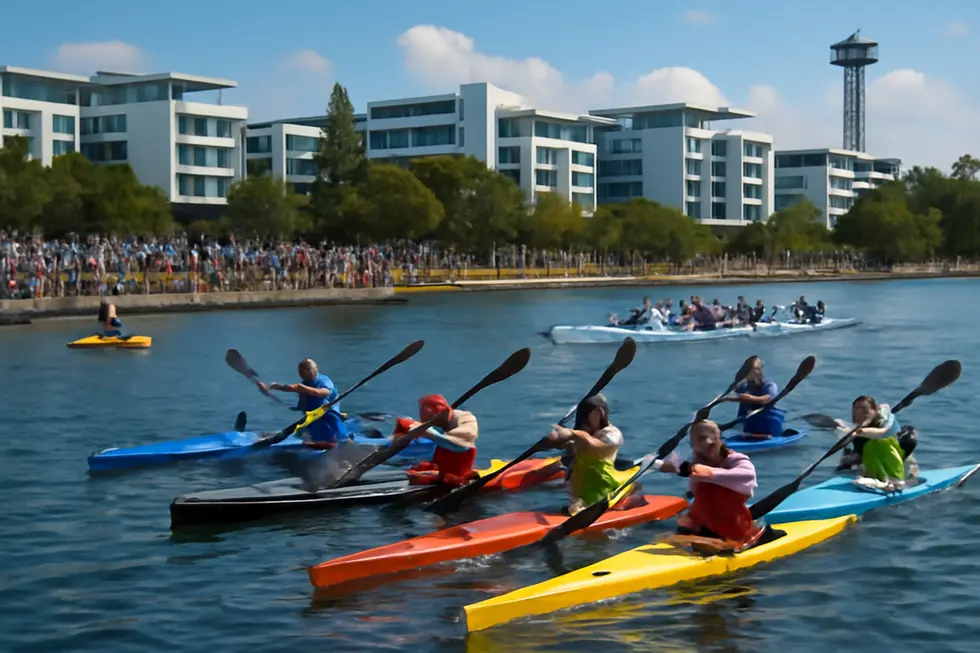
1. Ensuring Safe Passage: Navigational Rules and Environmental Protocols at Mark Pro Harbours
Navigational safety at harbours like Mark Pro Harbours is upheld through a comprehensive set of regulations blending international conventions and local maritime laws. These rules are reinforced by navigational aids—such as buoys, transit zones, and special marks—that organize vessel flows and minimize collision risks. Mariners must comply with right-of-way procedures, mandated radio communications on VHF channels, and speed restrictions, especially near ecological sensitive zones. Environmental protection protocols tightly control anchoring practices, prohibit pollutant discharge, and enforce “no wake” speed limits around reefs and shorelines to preserve marine habitats. Vessel Traffic Services coordinate real-time traffic monitoring and incident reporting to ensure rapid response to hazards. Recreational boaters face additional regulations including lifejacket mandates and seasonal area restrictions to safeguard both users and wildlife. These layered safety and environmental measures reflect the intricate balance of sustaining safe maritime activity while conserving the harbour’s natural integrity.
2. Economic Contributions of Recreational Boating and Harbour Facilities to Regional Prosperity
Recreational boating and tourism are powerful economic drivers in coastal and inland regions. Visitor spending linked to these activities generates millions in local revenues and supports diverse businesses, from hospitality to maintenance services. For example, maritime festivals can inject tens of millions into regional economies, creating thousands of jobs and attracting out-of-state tourists. On a broader scale, ocean-based tourism contributes over $140 billion annually to the national GDP and sustains millions of positions across the marine sector. Harbours play a crucial role as gateways, providing infrastructure and services that facilitate boating and water sports. These hubs not only enable access but also boost economic interactions by supporting retail, dining, and repair industries. Although no direct data exists for “Mark Pro Harbours,” the general economic patterns affirm how structured harbour facilities underpin the growth of marine recreation and tourism economies. Strategic public investment in harbour infrastructure further amplifies these benefits, ensuring sustainable economic gains and resilient maritime communities. For more on protecting business interests in related sectors, see trademark protection information for business owners.
3. Sustaining Coastal Ecosystems: Environmental Stewardship in Maritime and Recreational Harbour Activities
Maintaining the health of coastal ecosystems is crucial for sustainable maritime and recreational harbour activities. Pollution control measures, such as minimizing waste discharge and improving marina facilities, protect marine environments from harmful substances often generated by boating and tourism. Habitat restoration plays a vital role, especially where sensitive areas like coral reefs and seagrass beds face damage from anchoring and dredging, with conservation projects working to revive these crucial ecosystems. Regulations governing recreational fishing help preserve fish populations by enforcing catch limits and promoting responsible gear use, aligning ecological balance with local livelihoods. Additionally, protecting endangered species demands vessel speed limits and gear restrictions to reduce threats like entanglement and ship strikes. Coastal zone management programs emphasize resilience by integrating natural infrastructure and balancing public access with conservation. Together, these environmental efforts sustain the economic and social benefits harbours provide, fostering stewardship among communities and visitors alike. For further insight into sustainable tourism strategies in coastal regions, relevant resources are available for deeper understanding.
4. Fostering Community Identity and Participation through Maritime Cultural Engagements
Cultural and community engagement within maritime and recreational settings linked to marked pro harbours centers on sustaining both ecological balance and local heritage. Coastal communities often blend traditional knowledge with modern initiatives to promote tourism that supports local economies and youth empowerment. Activities spanning from heritage preservation of indigenous fishing practices and coastal ecosystems to citizen science projects enhance community stewardship. Programs involving maritime archaeology and digital outreach cultivate appreciation for maritime history, inviting public participation through interactive learning. Recreational events and festivals at harbours not only boost economic vitality but also strengthen social bonds, reinforcing shared maritime identities. Such integrated efforts contribute to preserving cultural landscapes and encourage responsible use of maritime resources. They enable communities to thrive by honoring their past while shaping sustainable futures. For deeper insights into protecting unique community identities and intellectual contributions, see guidance on trademark protection for business names and logos.
5. Integrating Cutting-Edge Technology for Safer and Smarter Recreational Harbours
Technological advances are transforming maritime and recreational experiences within harbours similar to those associated with Mark Pro Harbours. Enhanced connectivity and infotainment systems elevate onboard enjoyment, providing users with intuitive control over vessel amenities. Autonomous navigation technologies enable safer, more accessible docking and maneuvering, reducing human error during complex operations in confined spaces. Simultaneously, innovation platforms originally designed for rapid military application influence civilian maritime operations, promoting efficiency and safety. Broader trends in digital waterway management and the adoption of electric and sustainable vessels improve environmental performance while optimizing traffic flow. Luxury yacht design advances incorporate energy-conscious systems and materials, setting benchmarks that influence all levels of recreational boating. Together, these developments shape a maritime environment that prioritizes user experience, safety, and sustainability, reflecting a future-forward approach to harbour and recreational watercraft integration.
Chapter 5: Limitations and Clarifications on the Topic of Mark Pro Harbours

1. Navigational and Infrastructural Challenges Underpinning Mark Pro Harbours’ Technology
Navigational and Infrastructural Challenges Underpinning Mark Pro Harbours’ Technology
The technological landscape of Mark Pro Harbours reveals distinct challenges in achieving precise depth measurement and maintaining resilient navigation controls. Accurate seabed profiling remains complicated due to corrections needed for factors like ship speed, hull design, and water depth, which may introduce real-time errors. Additionally, harbour control systems require robust hardware designed to withstand environmental stressors such as humidity, dust, and temperature fluctuations, affecting both reliability and design costs. Infrastructure development compounds these hurdles as logistical constraints and fluctuating project costs demand pragmatism to balance technical requirements with financial feasibility. Furthermore, evolving control interface designs seek to optimize usability but remain secondary to foundational navigation accuracy and hardware integrity. Addressing these complexities involves combining advanced correction methodologies, ruggedized control solutions, and measured infrastructure investments, all crucial for sustainable harbour operations.
For insights on balancing technical and economic concerns, exploring trademark protection and business considerations may offer valuable parallels in managing complex project elements.
2. Economic Realities Behind Mark Pro Harbours: Navigating Costs and Regulatory Demands
The economic landscape of Mark Pro Harbours reveals significant challenges tied to high operational costs and stringent regulatory compliance. Running these maritime facilities demands substantial investment in labor, equipment upkeep, and adherence to safety and environmental standards set by international bodies like the IMO and ILO. For smaller harbours, these regulatory requirements often strain budgets, impacting their ability to remain competitive. Operational expenses also extend to logistics, where optimizing cargo handling and maintenance efficiency is essential to control costs and sustain profitability. Strategic collaboration with logistics partners plays a vital role in managing these expenses and improving service quality. Such economic pressures underscore the delicate balance harbours must strike between maintaining regulatory compliance and achieving operational efficiency. For a deeper understanding of the business implications of intellectual property and naming within this context, see trademark2go.com/company-name-copyright-registration.
3. Navigating Legal Boundaries: Jurisdiction and Regulatory Challenges Surrounding Mark Pro Harbours
The geopolitical scope around “mark pro harbours” is fundamentally shaped by intricate legal frameworks and jurisdictional boundaries. Maritime and harbour activities are closely regulated through a combination of national laws and international treaties, governing everything from environmental stewardship to trade enforcement. In the U.S., agencies like the Army Corps of Engineers oversee projects under acts such as the Rivers and Harbors Act, ensuring that harbour development aligns with environmental standards. Moreover, the Court of International Trade holds exclusive jurisdiction over trade-related disputes impacting harbours, highlighting the role of legal authority in economic activities at ports. Harbour operations must also comply with restrictions against imported goods produced by forced labor, reflecting ethical dimensions embedded in legal statutes. Zoning laws and regional interpretations can further alter harbour use, adding layers to jurisdictional complexity. Understanding these frameworks is essential, even if “mark pro harbours” lacks direct identification, to grasp how legal and geopolitical factors influence harbour management broadly. For related legal insights on protecting business identities and regulatory compliance, see trademark protection strategies for business names and logos.
4. Balancing Environmental Integrity and Community Safety in Harbor Management
Effective harbor management demands a careful balance between environmental protection and community safety. Regulatory frameworks like effluent limitations guidelines aim to reduce industrial pollution, helping preserve aquatic ecosystems and water quality. Compliance with these standards, alongside vigilance against unauthorized discharges, plays a crucial role in maintaining safe, healthy waterways. Moreover, safeguarding public health involves monitoring potential contaminants, ensuring food safety, and enforcing waste management systems that prevent hazardous exposures. Conservation efforts extend to protecting species unique to harbor environments, with agencies coordinating protections under laws such as the Endangered Species Act. Community engagement and education further enhance these initiatives by fostering sustainable practices and awareness. Together, these integrated measures form the foundation of responsible harbor stewardship, underscoring the challenges and commitments required to protect both ecosystems and people in harbor areas. For a deeper understanding of naming and legal protections relevant to businesses operating in such contexts, exploring trademark protection can be insightful.
5. Navigating Operational Complexities and Policy Frameworks in the Context of Mark Pro Harbours
Mark Pro Harbours—though lacking a direct definition—can be framed within the broader landscape of harbour operations and governance. Harbours involve intricate operational procedures regulating vessel movements, anchorage management, and maintenance to ensure efficiency and safety. These processes are embedded within layered policies that address economic viability while enforcing environmental protections, such as pollution control and waste management protocols. For instance, regional laws govern shipping conduct and emergency preparedness, balanced against sustainability goals like habitat preservation and corrosion prevention of maritime structures. This interconnected approach aligns operational practices with evolving regulatory demands, ensuring that harbour functions support trade without compromising ecological integrity. Understanding these integrated mechanisms clarifies the practical challenges and policy imperatives relevant to any notion of “Mark Pro Harbours” within maritime contexts. For business owners navigating legal aspects linked to such infrastructure, insights into trademark and intellectual property frameworks can be invaluable.
Final thoughts
The inquiry into ‘Mark Pro Harbours’ uncovers a landscape marked more by absence than presence, leaving business owners to operate with caution around undefined terms lacking direct relevance. While no formal trademark, service, or product exists under this exact term, the personal name link to Marc Harbour and the broader thematic realm of harbours offer contextual cues. Maritime and recreational harbour activities further enrich the backdrop but remain tangential. Recognizing these nuances helps business owners avoid confusion, align expectations, and pivot toward clearer opportunities—emphasizing the value of clarity and careful research in strategic decisions involving ambiguous or novel terms.
Your IP is the foundation of your success – let’s protect it together before it’s too late. We can’t wait to help you turn your ideas into legally secured assets.
About us
undefined