Introduction
Exploring the realm of old brand names for sale uncovers unique opportunities and challenges for business owners aiming to leverage established or vintage identities. While acquiring historic brands, especially in sectors like apparel and consumer goods, remains largely a matter of private negotiation and rarity, the market also offers creative alternatives. These include launching new ventures with retro-inspired names or securing premium digital assets that evoke a vintage feel. Understanding how to navigate business listings, creative naming resources, domain marketplaces, and the critical legal landscape is essential for making informed, secure brand decisions. This article delves into each facet: from the scarcity of legacy brand sales and general business marketplaces to inspired vintage naming and digital asset acquisition, culminating in essential trademark considerations and a market overview. Together, these chapters provide business owners a holistic roadmap to harness the power of old brand names for sale.
Tables of Contents
Chapter 1: Acquiring Established Old Brand Names for Sale: Rarity and Private Negotiations
- The Elusive Market of Established Old Brand Names: Understanding Scarcity and Its Impact on Availability
- Strategic Navigation and Broker Expertise in Private Acquisitions of Historic Brand Names
- Mastering Valuation and Legal Precision When Acquiring Historic Brand Names
Chapter 2: Exploring Business Listings for Old Brand Names for Sale: General Marketplaces and Brokers
- Uncovering Legacy Brand Opportunities Through General Marketplaces and Domain Brokers
- How Business Brokers Navigate the Confidential Sale of Legacy Brand Names
- Unlocking Vintage Brand Potential: How Digital Domain Marketplaces and Brokers Facilitate Old Brand Name Transactions
Chapter 3: Launching Vintage Ventures with Creative Old Brand Names for Sale: Naming Resources and Inspiration
- Crafting Nostalgic Identities: Essential Naming Resources to Inspire Vintage Brand Launches
- Navigating Strategic Foundations When Launching Vintage Ventures with Creative Old Brand Names
- Harnessing Nostalgia and Sustainability: Market Dynamics Fueling Vintage Brand Revival
Chapter 4: Premium Domains as Old Brand Names for Sale: Digital Assets with Vintage Appeal
- How Premium Vintage Domains Elevate Brand Identity and Technological Presence
- Economic Forces and Market Trends Shaping the Value of Vintage-Inspired Premium Domains
- The Enduring Cultural Power of Vintage Domains in Modern Branding
Chapter 5: Legal and Trademark Considerations in Old Brand Names for Sale: Due Diligence Essentials
- Ensuring Clear Trademark Ownership and Valid Registration When Acquiring Historic Brand Names
- Navigating Trademark Risks: Essential Due Diligence When Acquiring Old Brand Names
- Mastering Trademark Due Diligence: Navigating Legal Risks When Acquiring Old Brand Names
Chapter 6: Summary and Market Overview of Old Brand Names for Sale: Opportunities and Challenges
- Unlocking Value in Vintage Brands: Harnessing Legacy Equity and Targeted Niches
- Overcoming Market Relevance and Financial Hurdles in Acquiring Historic Brand Names
- Evolving Market Dynamics for Old Brand Names: Trends, Platforms, and Digital Strategies
Chapter 1: Acquiring Established Old Brand Names for Sale: Rarity and Private Negotiations

1. The Elusive Market of Established Old Brand Names: Understanding Scarcity and Its Impact on Availability
Established old brand names represent a rare commodity in the marketplace, shaped largely by their deep-rooted history, strong customer loyalty, and enduring reputation. Unlike typical businesses listed openly for sale, these brands seldom appear in public marketplaces, making their acquisition exceptionally difficult. This scarcity elevates their value, much like rare collectibles where limited availability intensifies demand. Potential buyers often find themselves competing over a narrow pool of offerings, which in turn drives up prices and creates a heightened sense of urgency.
Online business-for-sale platforms may list some established brands, yet they rarely specialize in vintage or heritage names. Instead, these platforms offer a range of businesses where legacy branding is incidental rather than central. The rarity of these names is further accentuated by the private nature of most transactions; longstanding family-owned or privately held brands typically exchange hands through discreet negotiations rather than public sales.
For those exploring this market, understanding the dynamics of scarcity is key. Recognizing how limited availability influences brand desirability and pricing helps buyers set realistic expectations. Additionally, secure and thorough trademark verification remains essential to protecting investment in any brand acquisition, reinforcing the critical role of intellectual property diligence.
For deeper guidance on protecting business names during acquisitions, consider exploring professional trademark resources that focus on business name and logo protections.
2. Strategic Navigation and Broker Expertise in Private Acquisitions of Historic Brand Names
Acquiring established old brand names typically involves complex private negotiations demanding strategic foresight and specialized support. Prior to initiating discussions, prospective buyers must perform rigorous brand valuation and due diligence, examining financial records, intellectual property, and potential liabilities. This effort ensures offers reflect true brand equity while mitigating unforeseen risks. Insightful market research on comparable deals positions buyers to present credible proposals and clearly articulate their strategic intentions, reinforcing commitment and seriousness.
Confidentiality is paramount—leaks can disrupt operations or erode stakeholder trust. Here, brokers serve indispensable roles, offering expert valuation guidance and connecting vetted, financially capable buyers with brand owners. Their skill in managing negotiations helps address sensitive issues like pricing structures, post-sale terms, and non-compete clauses discreetly. Brokers also advise on transaction frameworks that balance immediate payment with future performance incentives, aligning buyer and seller goals.
For buyers, forging early relationships with brokers and brand custodians is critical; credibility demonstrated through detailed acquisition plans and financing proof fosters trust. Anticipating extended negotiation timelines and potential emotional attachments on the seller’s side further sharpens preparation. Ultimately, leveraging broker expertise and strategic planning creates a pathway through the nuanced terrain of private brand transfers.
For more insight on protecting intellectual property during acquisitions, consider exploring comprehensive trademark protection guidance.
3. Mastering Valuation and Legal Precision When Acquiring Historic Brand Names
Acquiring a legacy brand demands a precise blend of valuation and legal diligence to unlock true value and ensure a seamless transfer. Valuation integrates intrinsic methods like discounted cash flow and relief-from-royalty approaches, estimating future earnings tied directly to the brand’s market strength. Complementing this, market-based techniques analyze comparable sales to benchmark fair value. Equally important is the meticulous verification of intellectual property rights—trademarks, copyrights, and domain names—ensuring all can be validly conveyed to the new owner without infringement risks or contractual limitations. This includes confirming IP assignments from employees or contractors and reviewing contracts for clauses that might obstruct continuity. In addition, regulatory compliance and employment agreements must be scrutinized to avoid hidden liabilities. Post-sale, protecting digital assets such as social media and domain portfolios is key to preserving brand equity and customer loyalty. Careful legal structuring of the acquisition can optimize tax implications while safeguarding the brand’s intangible worth. Prioritizing thorough due diligence backed by comprehensive trademark searches—such as those explained on trademark name protection resources—fortifies the transaction’s success, ensuring historic brand names transition smoothly into new hands and retain their powerful market presence.
Chapter 2: Exploring Business Listings for Old Brand Names for Sale: General Marketplaces and Brokers

1. Uncovering Legacy Brand Opportunities Through General Marketplaces and Domain Brokers
Acquiring legacy or old brand names often requires navigating broader marketplaces that list businesses or domains rather than specialized platforms dedicated solely to vintage brand names. General business-for-sale marketplaces present a primary avenue where established companies, including those with long-standing brand identities, may become available. These platforms often cover diverse sectors, from retail to finance, offering potential buyers access to businesses with historical brand value. However, these listings rarely highlight heritage brands explicitly, requiring buyers to investigate individual assets closely.
Domain name marketplaces add another dimension to this search, as brand names frequently align with domain availability. These platforms facilitate bidding or purchasing of premium domain names with retro or vintage appeal, which new ventures can leverage to evoke a classic brand identity. Furthermore, specialized brokers focused on niche industries might hold legacy brand opportunities within their portfolios, particularly in sectors like restaurants or cannabis-related businesses, which maintain their own legacy brands.
While direct marketplaces for old brand names remain scarce, exploring these general business and domain marketplaces expands the chances of securing a historic brand asset or a brand name with a vintage aura. Due diligence, especially regarding trademark rights, remains crucial when acquiring brand-related assets to avoid legal pitfalls. For more information on protecting business names and trademarks, reliable guidance can be found at trademark2go.com/company-name-copyright-registration.
2. How Business Brokers Navigate the Confidential Sale of Legacy Brand Names
Business brokers are pivotal in the discreet sale of old brand names, expertly managing every step from valuation to closing. They assess the brand’s worth by analyzing financials and market conditions, ensuring the price reflects the legacy’s value without exposing the business prematurely. To protect sensitive information and maintain operational stability, brokers market listings anonymously and require confidentiality agreements, preventing competitor or customer alarm. Leveraging extensive networks, these brokers connect sellers with qualified, motivated buyers who appreciate brand equity. Their role includes skillfully negotiating terms that maximize seller returns while managing complex deal dynamics efficiently. Beyond general marketplaces, some brokers specialize in legacy brands, understanding the nuances of heritage value and helping match sellers to strategic acquirers. For sellers seeking exposure, online platforms may offer access to numerous buyers but lack tailored support and confidentiality, making brokers indispensable for old brand transactions. Given the intricate intellectual property and trademark issues involved in transferring historic brand names, consulting professional resources on trademark protection is advisable to ensure a smooth, legally sound sale.
3. Unlocking Vintage Brand Potential: How Digital Domain Marketplaces and Brokers Facilitate Old Brand Name Transactions
Digital domain marketplaces and brokers have grown into essential channels for buying and selling old brand names, primarily through domain name transactions. These platforms provide sellers with avenues to list historic or vintage brand names embedded in domains, where buyers can explore assets valued for SEO strength, brand recognition, and domain age. Popular marketplaces operate with auction formats, fixed-price listings, and brokerage services that optimize sale opportunities and buyer reach. The valuation of such domain-based brand names depends on a blend of factors: top-level domain appeal (with “.com” leading value), keyword relevance, existing traffic, backlinks, and trademark considerations. Expert brokers often help highlight portfolios and negotiate deals, connecting sellers to targeted industry buyers. Visibility plays a critical role—reputable platforms syndicate listings widely, and sellers enhance exposure through dedicated landing pages or direct outreach to potential acquirers. Additionally, emerging Web3 domain marketplaces introduce new decentralized structures for trading brand names with blockchain-based ownership, offering transparency and peer-to-peer control without intermediaries. For those pursuing complete brand or business acquisitions beyond domains, specialized brokers and marketplaces facilitate these transactions, though with less standardized processes. Understanding legal implications, such as trademark rights, remains important when navigating these digital ecosystems. For comprehensive trademark safety advice linked to brand name transactions, readers can consult resources on trademark protection for businesses.
Chapter 3: Launching Vintage Ventures with Creative Old Brand Names for Sale: Naming Resources and Inspiration

1. Crafting Nostalgic Identities: Essential Naming Resources to Inspire Vintage Brand Launches
Creating a compelling vintage brand name is pivotal when launching a retro-inspired venture. The name must evoke nostalgia and authenticity, resonating deeply with audiences drawn to classic or secondhand goods. Extensive resources exist to inspire this creative process, from specialized thrift store name generators offering evocative selections like “Retro Revival Co.” and “TimeWarp Threads” to curated lists designed for broader vintage portfolios. These curated names often blend evocative language and cultural touchstones, helping brands establish timeless appeal.
Effective naming leverages linguistic creativity—such as alliteration, portmanteaus, or idiomatic phrasing—to make names memorable and emotionally compelling. Incorporating era-specific cues like “mod” or “classic” instantly signals heritage and style focus. Equally important is ensuring that chosen names align with brand values, particularly if emphasizing curation or rarity.
Professional branding agencies can refine ideas into market-ready identities, while online naming guides emphasize legal verifications, including trademark availability and domain name consistency, to safeguard brand integrity. This careful approach ensures that vintage-inspired names not only charm but also stand on firm intellectual property grounds, which is essential to avoid legal complications when establishing a historic-feeling brand identity. For thorough understanding of trademark issues during naming, consulting resources on business name protection is advisable.
2. Navigating Strategic Foundations When Launching Vintage Ventures with Creative Old Brand Names
Launching a vintage venture built around creative old brand names demands a strategic approach that carefully balances nostalgia with modern market dynamics. Central to this is defining a clear emotional connection by selecting themes or eras that resonate with your target audience, such as incorporating iconic logos or vintage-inspired packaging that deepen brand identity through authentic storytelling. Collaborations can further amplify this appeal; partnering with vintage-related venues or brands cultivates credibility and opens pathways to unique consumer experiences. Equally important is auditing existing intellectual property and archival assets, which can be leveraged to craft meaningful, nostalgic marketing campaigns that maximize ROI without excessive investment. Monetizing legacy intellectual property through reissues or licensing often requires navigating complex rights and confirming ownership to avoid legal pitfalls. Additionally, adapting to shifting markets through thoughtful rebranding or revitalization efforts ensures sustained relevance and growth. Data-driven insights into consumer preferences guide product development and marketing strategies while digital platforms provide scalable, multi-channel sales opportunities. This holistic strategy ensures vintage ventures not only evoke timeless charm but also thrive competitively in today’s market. For businesses considering intellectual property aspects, exploring comprehensive resources on brand name protection offers valuable guidance.
3. Harnessing Nostalgia and Sustainability: Market Dynamics Fueling Vintage Brand Revival
The expanding vintage market is propelled by powerful forces shaping consumer preferences, especially among Gen Z, who drive demand for authentic, sustainable, and story-rich products. Anticipated to surge to $360 billion by 2030, the resale economy grows thrice as fast as new goods, fueled by platforms that celebrate the uniqueness of vintage and Y2K aesthetics. Nostalgia offers a compelling narrative, encouraging brands to mine their archives for limited-edition releases that reinforce authenticity and sustainability — tapping into both scarcity and emotional connections. Creative use of old brand names or heritage-inspired identities further amplifies cultural legitimacy and trust, distinguishing ventures in a competitive landscape. Strategic storytelling around provenance and eco-consciousness deepens consumer engagement while limited editions and curated capsules enhance exclusivity and pricing power. Success also hinges on sourcing authenticated vintage pieces or archives and leveraging specialized resale marketplaces that nurture community and credibility. Additionally, aligning launch strategies with sustainability through local manufacturing partnerships and personalized customer experiences strengthens brand resonance. These market and branding insights form the cornerstone for launching vintage ventures that authentically connect past heritage with contemporary values. For deeper insight into brand protection in this arena, see the guidance on trademark protection for business names and logos.
Chapter 4: Premium Domains as Old Brand Names for Sale: Digital Assets with Vintage Appeal

1. How Premium Vintage Domains Elevate Brand Identity and Technological Presence
Premium domains that represent old brand names offer a unique blend of technological advantage and brand identity enhancement critical in digital markets. Their concise, memorable nature improves search engine visibility by naturally incorporating relevant keywords, which boosts discoverability with less reliance on paid advertising. Owning such a domain grants complete control over the brand’s online presence, safeguarding it from impersonation or brand dilution, a vital factor for maintaining trust and credibility in competitive environments.
Beyond technology, vintage premium domains evoke a sense of heritage and authenticity that instantly builds consumer trust. This built-in nostalgia fosters emotional connections, improving recall and customer loyalty. Their rarity and exclusivity not only make these domains easier to market across platforms but also create a valuable competitive edge, especially in sectors saturated with new entrants.
Additionally, premium vintage domains function as appreciating digital assets, attracting investors interested in long-term value. Ensuring consistent use of these domains across social and regional channels reinforces brand cohesion and integrity. To secure these advantages, thorough protection of intellectual property rights remains essential, as outlined in trademark protection guidelines. Ultimately, premium vintage domains strategically blend technology with timeless brand appeal to boost market presence and digital authority.
2. Economic Forces and Market Trends Shaping the Value of Vintage-Inspired Premium Domains
Premium domains with a vintage appeal represent unique digital assets where economic incentives and market competitiveness intersect. These domains are often brief, memorable, and keyword-rich, enhancing brand authority and SEO performance in an increasingly saturated online marketplace. Their valuation hinges on factors like brand potential, keyword relevance, and industry trends, with prices ranging from modest sums to six-figure investments. While aftermarket domains, controlled by third-party owners, constitute much of the trade, registries also offer newly designated premium domains within emerging TLDs, diversifying options for vintage-style branding.
The premium domain market is intensely competitive, driven by hundreds of millions of registered names worldwide and over a thousand new gTLDs that broaden branding possibilities. Domains with vintage connotations carry additional appeal by evoking heritage and trust, often benefiting from existing backlinks and search engine recognition. Acquiring such domains provides businesses a strategic edge, leveraging digital heritage to build credibility and consumer loyalty. This complex market continuously fluctuates based on demand, requiring careful navigation by buyers to secure valuable assets.
Given the intricacies involved, understanding the economic and market dynamics behind these vintage-inspired premium domains is essential for those seeking old brand names. Equally important is the legal diligence required to safeguard intellectual property rights during acquisition, as can be learned from reliable expert sources focused on trademark protection.
3. The Enduring Cultural Power of Vintage Domains in Modern Branding
Premium domains serve as valuable digital assets, prized for their brevity, memorability, and direct brand association. When these domains carry a vintage or heritage appeal, they do more than simply identify a business online; they evoke a deep cultural resonance. This nostalgic quality taps into consumers’ appreciation for tradition, trustworthiness, and craftsmanship, elements often missing in contemporary digital brands. By adopting a vintage domain, companies signal longevity and quality, elements that foster emotional connections with audiences who value authenticity.
Beyond simple names, vintage domains can embody brand stories and histories, connecting modern enterprises with cultural roots. This creates a brand identity that feels both timeless and relevant, particularly effective within niche markets where consumers seek products aligned with heritage or classic values. Leveraging these digital assets allows businesses to stand out with a unique blend of modern innovation and cultural depth, enhancing perceived credibility and loyalty.
Integrating premium vintage domains into branding aligns closely with strategies that incorporate classic logos, typography, and storytelling, enriching the overall consumer experience. Given their significance, thorough trademark checks remain essential when acquiring such domains to secure legal protection and reinforce brand integrity. For detailed trademark considerations, resources on trademark protection for business names and logos provide crucial guidance.
Chapter 5: Legal and Trademark Considerations in Old Brand Names for Sale: Due Diligence Essentials

1. Ensuring Clear Trademark Ownership and Valid Registration When Acquiring Historic Brand Names
Trademark ownership determines who has exclusive rights to a brand name, logo, or slogan within specific markets. While first use in commerce grants some rights, formal registration—such as with the USPTO—provides nationwide legal protection, public notice, and stronger enforcement tools. When acquiring an old brand name, verifying the trademark’s registration status is crucial. This includes confirming the mark is active, properly renewed, and free of disputes or oppositions. Legal complications often arise if trademark assignments are not recorded with the registry, potentially leaving the buyer without enforceable rights despite ownership claims.
Due diligence must carefully examine not only registration data but also actual usage evidence, ensuring the brand remains in commerce or has a clear intention to be revived. Additionally, buyers need to identify any conflicting marks that might challenge exclusivity, checking both domestic and international trademark databases. Understanding the distinction between trademark assignment—which transfers full ownership—and licensing—granting usage rights without ownership—is fundamental for structuring transactions securely.
Thorough verification of these elements safeguards investments and prevents future legal disputes. Engaging professional trademark services can streamline this complex process and confirm clear, enforceable ownership. For further insights on trademark protections for business assets, see comprehensive trademark protection guidance.
2. Navigating Trademark Risks: Essential Due Diligence When Acquiring Old Brand Names
Acquiring old brand names demands rigorous due diligence to avoid trademark conflicts and legal pitfalls. This process begins with extensive trademark searches that go beyond exact matches to include similar marks, potential spelling variations, and phonetic similarities across relevant classes and markets. Confirming the brand’s registration status and ownership history is vital to identify any disputes, oppositions, or encumbrances that could complicate ownership or use rights. Legal risk assessments must consider the likelihood of infringement claims, especially if the brand closely resembles famous marks, which may lead to dilution or bad faith allegations.
Thorough review of existing contracts, such as licensing or royalty agreements, is essential to identify usage restrictions or territorial limits. Collecting evidence like marketing materials and sales records further supports ownership claims and helps resolve potential disputes. Engaging intellectual property attorneys early provides critical guidance through complex legal analyses, contract drafting, and negotiation.
Post-acquisition, implementing proactive brand protection—such as trademark monitoring services—minimizes risks from infringers or new conflicting filings. This comprehensive approach ensures that acquiring an old brand name is secure and legally defensible, preserving its legacy value and market presence. For a deeper grasp of protecting business names and trademarks, consider exploring detailed legal protections and trademark strategies.
3. Mastering Trademark Due Diligence: Navigating Legal Risks When Acquiring Old Brand Names
Mastering Trademark Due Diligence: Navigating Legal Risks When Acquiring Old Brand Names
Acquiring an established old brand name demands meticulous trademark due diligence to safeguard against costly disputes. Buyers must verify ownership of all trademarks linked to the brand to confirm the seller’s rights, preventing future challenges. Beyond ownership, a thorough legal risk assessment is vital, revealing any ongoing infringement claims or potential conflicts with similar marks in the market. When licensing is involved, evaluating licensees’ alignment with brand standards is essential to preserve reputation and legal integrity.
Due diligence extends to contracts governing licenses, supply chains, and marketing to uncover liabilities or termination risks. Investigating operational and financial health of the brand’s business ensures there are no hidden challenges undermining value. Integrating trademark checks within a broader intellectual property strategy, including copyrights and patents, strengthens asset protection.
Post-acquisition, buyers should plan for vigilant enforcement of trademark rights, monitoring infringement and unauthorized use to maintain exclusivity. Compliance with registration renewals and procedural requirements keeps protections intact. Engaging intellectual property experts to navigate these complex legal facets guarantees a safe transfer and ongoing brand security. For deeper insights into trademark protection for business assets, refer to trademark protection for business names and logos.
Chapter 6: Summary and Market Overview of Old Brand Names for Sale: Opportunities and Challenges
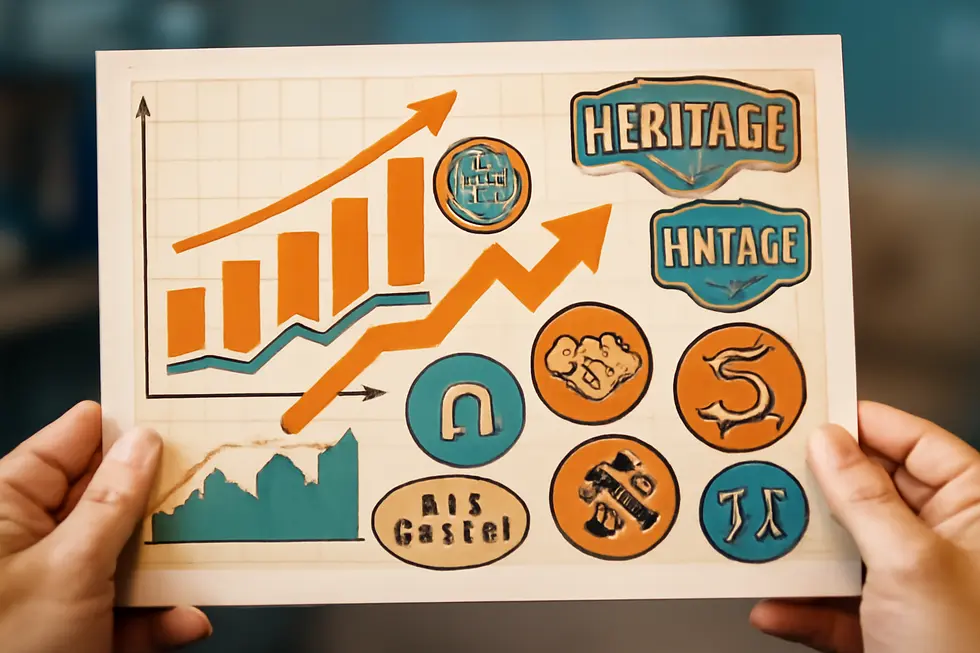
1. Unlocking Value in Vintage Brands: Harnessing Legacy Equity and Targeted Niches
Old brand names for sale present a unique opportunity to capitalize on established brand equity while tapping into distinct niche markets. These legacy names often carry built-in customer recognition and emotional trust that new brands strive years to develop. This inherent equity can translate into premium pricing power and lower marketing expenses, enabling quicker market penetration and sustained customer loyalty. Moreover, the ability to reposition an old brand toward specific niche markets—such as vintage enthusiasts, eco-conscious consumers, or artisanal product buyers—enhances differentiation in otherwise crowded industries. A thoughtfully revitalized heritage name can command attention by evoking nostalgia or authenticity, which modern consumers highly value. However, leveraging these advantages requires careful brand positioning that highlights emotional connections and reinforces exclusivity to create competitive barriers. Critical to this process is a thorough examination of trademark protections to ensure legal security and avoid risks related to name genericization or infringement, safeguarding the brand’s long-term value and market exclusivity. For investors and entrepreneurs, unlocking the potential of old brand names means balancing the heritage they carry with strategic market focus, legal diligence, and strong brand stewardship. For further advice on trademark protection, see detailed insights on trademark protection for business names and logos.
2. Overcoming Market Relevance and Financial Hurdles in Acquiring Historic Brand Names
Acquiring an old brand name carries distinctive challenges beyond merely securing ownership. These legacy brands often embody valuable equity from years of consumer trust and recognition, yet their ongoing relevance can be precarious. Market dynamics and cultural trends shift swiftly, making it essential for such brands to evolve actively rather than rely solely on nostalgia. Failure to innovate risks alienating modern consumers and losing competitive edge to nimble newcomers. While the established heritage provides a strong foundation, it may also entail baggage such as outdated images or associations that hamper renewal efforts. Potential buyers must weigh these factors carefully to transform legacy into a revitalized asset, not a liability.
Financial risk factors also complicate acquisitions of historic brands. Valuing old brand names requires careful scrutiny of intangible assets, possible encumbrances from prior contracts, and the real potential for future growth. The marketplace for selling established brands is fragmented and often limited to private negotiations or specialized partnerships, demanding strategic vision and capital commitment. Buyers should prioritize comprehensive trademark and legal due diligence to safeguard investments and ensure a smooth transfer of rights. Understanding these intertwined challenges is crucial for successfully navigating the complexities of acquiring old brand names and leveraging their full potential in today’s markets.
For deeper insight into legal protections necessary when acquiring brand assets, exploring trusted resources on trademark protection can be invaluable.
3. Evolving Market Dynamics for Old Brand Names: Trends, Platforms, and Digital Strategies
The market for old brand names is increasingly shaped by trends emphasizing authenticity, sustainability, and AI-driven personalization. These factors influence how legacy brands resonate with modern consumers and affect their perceived value. The domain aftermarket plays a pivotal role in this landscape, with over 144,000 domain sales in 2024 totaling $185 million. Notably, .com domains dominate, representing 74.4% of sales volume due to their trust and recognition.
Innovative platforms now utilize AI and automation to enhance market research and transaction efficiency, enabling buyers and sellers to navigate this competitive environment with data-backed insights. Digital marketing investment continues its robust growth, projected to reach $786 billion by 2026, reinforcing the importance of a strong digital presence for legacy brands seeking revitalization or resale.
Additionally, the rise of localized digital strategies is underscored by a surge in country-code top-level domain registrations, which allow regional targeting. The expanding B2B e-commerce sector, anticipated to reach $32.1 trillion by 2025, offers fresh avenues for legacy names in wholesale and industrial markets. Marketing innovations such as generative AI and authentic storytelling further enhance how old brands can be repositioned effectively.
Navigating these dynamics requires careful legal checks and strategic positioning, including comprehensive trademark searches. More on this can be found through resources like trademark protection for business names and logos.
Final thoughts
Navigating the landscape of old brand names for sale demands a nuanced understanding of rarity, market options, creative opportunities, digital assets, and legal safeguards. Established legacy brands frequently remain tightly held, with private negotiations defining their rare transfer. Meanwhile, business marketplaces provide occasional openings but typically lack specialization in heritage brands. For many business owners, creating vintage-themed names or acquiring premium domains unlocks accessible pathways to achieve old-fashioned brand appeal without the complexities of historic ownership. Regardless of the approach, careful trademark due diligence is non-negotiable to protect your investment and brand identity. Embracing these insights equips entrepreneurs with the knowledge to strategically harness old brand names—whether through acquisition or creation—to cultivate timeless businesses that resonate with authenticity and legacy value.
Your IP is the foundation of your success – let’s protect it together before it’s too late. We can’t wait to help you turn your ideas into legally secured assets.
About us
undefined