
Introduction
Intellectual property rights (IPR) such as patents, copyrights, and trademarks form the backbone of protection for business owners seeking to safeguard their creations and innovations. Understanding how these legal tools operate not only empowers companies to defend their unique assets but also creates pathways for competitive advantage and economic growth. This exploration unveils the nature of these rights, the legal safeguards they provide, their measurable impact on innovation and business value, and their crucial role in global trade. Moreover, we will discuss societal consequences and challenges faced in maintaining effective intellectual property systems, ensuring business leaders can approach IP with both strategic vision and practical insight.
Tables of Contents
Chapter 1: Understanding patents copyrights and trademarks are examples of intellectual property rights
- Technological Innovation and Protection: How Patents, Copyrights, and Trademarks Drive Progress
- The Economic Power of Intellectual Property: How Patents, Copyrights, and Trademarks Shape Market Dynamics
- Navigating Geopolitical Landscapes: The Impact of Intellectual Property Rights on Global Trade and Innovation
- The Societal Impact of Intellectual Property: How Patents, Copyrights, and Trademarks Shape Culture and Communities
Chapter 2: Legal Frameworks and Protections Offered by Patents, Copyrights, and Trademarks
- How Patents, Copyrights, and Trademarks Drive Technological Innovation Through Legal Protection
- Economic Effects of Patents, Copyrights, and Trademarks: Driving Growth, Market Dynamics, and Innovation Incentives
- The Geopolitical Influence on Intellectual Property Rights: How Patents, Copyrights, and Trademarks Shape International Relations
- How Patents, Copyrights, and Trademarks Influence Society Beyond Legal Protection
Chapter 3: Economic and innovation impacts of patents copyrights and trademarks are examples of intellectual property
- How Patents, Copyrights, and Trademarks Drive Innovation and Technology Growth
- How Patents, Copyrights, and Trademarks Drive Economic Growth and Industry Advancement
- How Patents, Copyrights, and Trademarks Shape Global Markets and Geopolitical Strategies
- Cultural Dynamics and Societal Influence Shaped by Intellectual Property Rights
Chapter 4: Global and geopolitical roles patents copyrights and trademarks are examples of in international trade
- How Patents, Copyrights, and Trademarks Drive Technological Innovation in Global Trade
- How Intellectual Property Shapes Global Economic Trade and Innovation Dynamics
- Strategic Geopolitical Influence of Patents, Copyrights, and Trademarks in Shaping International Trade Dynamics
- Cultural Influence and Societal Impact of Intellectual Property in Global Trade Dynamics
Chapter 5: Societal implications and challenges of patents copyrights and trademarks are examples of intellectual property rights
- How Patents, Copyrights, and Trademarks Shape Technology and Society
- Navigating Economic Barriers and Social Consequences of Intellectual Property Protections
- Navigating Geopolitical Dynamics and Societal Impact of Intellectual Property Rights
- Navigating Cultural and Social Dilemmas within Intellectual Property Protections
Chapter 1: Understanding patents copyrights and trademarks are examples of intellectual property rights

1. Technological Innovation and Protection: How Patents, Copyrights, and Trademarks Drive Progress
Patents, copyrights, and trademarks serve as crucial legal tools that not only protect creators but also actively promote technological advancement. Patents safeguard inventions by granting exclusivity to inventors, encouraging investment in research and development without fear of immediate imitation. This protection fuels innovation across industries—from pharmaceuticals to software—by providing a timeframe to recoup investments and capitalize on breakthrough ideas. Similarly, copyrights secure original creative expressions such as software code, art, and literature, ensuring creators retain control over the distribution and reproduction of their works. This legal framework fosters the digital economy, where software and multimedia content are pivotal. Trademarks contribute by protecting brand identities, allowing companies to build consumer trust and differentiate products in competitive markets. Together, these intellectual property rights create an ecosystem that balances protection with the dissemination of knowledge, ultimately accelerating technological progress. However, adapting these protections to digital and global environments remains an ongoing challenge, requiring nuanced strategies and ongoing legal evolution. For businesses seeking deeper insights into trademark protection, resources about trademark protection for brand names and logos provide valuable guidance.
2. The Economic Power of Intellectual Property: How Patents, Copyrights, and Trademarks Shape Market Dynamics
Patents, copyrights, and trademarks form the backbone of economic innovation and market structure by granting creators exclusive rights to their work. These protections create incentives for investment in research, development, and creative expression, fostering competitive markets and new products. Patents encourage technological breakthroughs by allowing inventors time-limited control to recoup innovation costs. Copyrights secure financial rewards for authors and artists by controlling reproduction and distribution, thus promoting cultural and digital economies. Trademarks build brand loyalty and consumer trust by safeguarding identities, which supports business growth and market differentiation.
Beyond incentivizing originality, intellectual property rights enable licensing agreements that open revenue streams through commercialization, partnerships, and cross-industry collaborations. They also attract venture capital and international trade, as robust IP frameworks signal market reliability and profitability. However, balancing these protections with public access remains a challenge, particularly amid digital content sharing and globalization. The economic impact of intellectual property is profound, shaping how innovation influences industries, consumer choice, and national competitiveness. For a deeper understanding of trademark roles in branding and business protection, see trademark protection business name logo.
3. Navigating Geopolitical Landscapes: The Impact of Intellectual Property Rights on Global Trade and Innovation
Intellectual property rights—patents, copyrights, and trademarks—play crucial roles beyond mere legal protections; they shape international relations and global commerce. Countries strive to strengthen their IP frameworks to attract foreign investments and stimulate domestic innovation. Robust IP laws can signal a nation’s commitment to fostering creativity and cutting-edge technology, thereby enhancing economic competitiveness on the world stage.
Trade agreements often include IP standards, harmonizing protections to reduce infringement and counterfeiting across borders. However, geopolitical tensions arise when differing national interests clash over IP enforcement, access to patented medicines, or cultural content distribution. Developing countries may seek more lenient rules to improve accessibility, while developed nations push for stricter protections.
This balance impacts technological transfer and economic development worldwide. Effective IP regimes serve as catalysts for multinational partnerships and market expansion, while weaknesses invite piracy and limit growth. Understanding these dynamics highlights how patents, copyrights, and trademarks extend their influence far beyond legality, shaping global innovation flows and trade policies.
For a deeper insight into the function and protection of trademarks in business, explore this trademark protection resource.
4. The Societal Impact of Intellectual Property: How Patents, Copyrights, and Trademarks Shape Culture and Communities
Patents, copyrights, and trademarks fundamentally influence society by fostering innovation, protecting creative expression, and preserving cultural identity. These intellectual property rights (IPR) empower inventors and creators to benefit financially from their work, thus motivating continued development across technology and the arts. Beyond economic incentives, IPR contribute to cultural development by safeguarding traditional knowledge and artistic heritage, allowing communities to maintain their unique identities while engaging with global markets. Copyright, in particular, protects both contemporary and traditional artistic works, encouraging diversity in cultural expressions and enabling artists to share their creations widely yet securely. Trademarks, by distinguishing goods and services, build consumer trust and support the consistent quality associated with cultural brands. Patents promote the dissemination of technical knowledge by requiring public disclosure, which spurs further innovation and societal progress. Yet, challenges remain in balancing protection with access, especially concerning indigenous cultural assets, where tailored IP frameworks are necessary. By integrating protection with cultural sensitivity, intellectual property rights shape a dynamic landscape where creativity, commerce, and cultural heritage coalesce, enriching society and advancing shared knowledge. For deeper insights on protecting brand identity through trademarks, explore trademark protection for business names and logos.
Chapter 2: Legal Frameworks and Protections Offered by Patents, Copyrights, and Trademarks

1. How Patents, Copyrights, and Trademarks Drive Technological Innovation Through Legal Protection
Patents, copyrights, and trademarks collectively form the backbone of intellectual property law, providing the essential legal protections that drive innovation and creativity. Patents grant inventors exclusive rights to their technological inventions, preventing unauthorized use for typically 20 years. This exclusivity fosters investment in research and development, empowering inventors to bring new technologies to market with confidence. Meanwhile, copyrights protect original expressions such as software code, literary works, and artistic creations, securing creators’ rights to reproduce, distribute, and license their works for an extended term. Trademarks differentiate products and services in the marketplace through brand identifiers—logos, names, and slogans—helping consumers make informed choices and enabling companies to build reputations. Together, these protections establish a legal environment where innovation flourishes by rewarding creators while eventually contributing to the public domain. This balance ensures that technological advancement continues steadily, supported by a framework that incentivizes creation and safeguards commercial interests. For more insights into trademark protections that contribute to sustaining business identities, consider exploring trademark-specific resources like trademark protection for business name and logo.
2. Economic Effects of Patents, Copyrights, and Trademarks: Driving Growth, Market Dynamics, and Innovation Incentives
Patents, copyrights, and trademarks are pivotal legal protections within intellectual property rights that profoundly shape economic landscapes. By granting creators exclusive control over their inventions, artistic works, or brand identities, these frameworks create incentives for innovation and investment. Patents, for example, provide inventors a time-limited monopoly—usually 20 years—to commercialize new technologies, enabling recovery of research and development costs and fostering technological progress. Copyrights protect original expressive works, encouraging authors, musicians, and software developers to create by granting exclusive reproduction and distribution rights for decades. Meanwhile, trademarks secure distinct brand elements, promoting consumer trust and supporting business growth through brand equity. Economically, these protections influence market structures by establishing temporary monopolies while stimulating competitive innovation. They also enhance trade by attracting investment and facilitating licensing across borders. However, balancing exclusivity with public access remains vital since prolonged or overly broad protections can hinder market competition and innovation diffusion. Ultimately, these legal frameworks underpin economic growth by motivating creativity, securing commercial interests, and fostering diverse and dynamic markets. For entrepreneurs and creators, understanding these protections is essential to maximize the economic benefits of their intellectual assets, as detailed in our coverage of trademark and copyright rights.
3. The Geopolitical Influence on Intellectual Property Rights: How Patents, Copyrights, and Trademarks Shape International Relations
Intellectual property rights (IPR) such as patents, copyrights, and trademarks do more than protect creators and brands—they are pivotal tools in geopolitics. Nations strategically develop and enforce these legal protections to attract foreign investment and boost domestic innovation. Robust IP frameworks signal a country’s commitment to safeguarding inventions and creative works, making it an appealing environment for multinational corporations seeking stable markets and reliable protections.
International agreements and treaties, like the Agreement on Trade-Related Aspects of Intellectual Property Rights (TRIPS), standardize protections to reduce barriers and disputes between countries. However, differences in enforcement and legal interpretations often lead to diplomatic tensions, especially when claims of IP infringement arise across borders. These tensions illustrate how intellectual property rights intertwine with economic competitiveness and national sovereignty.
In this global contest, countries continually adapt their IP laws to balance indigenous innovation and technological transfer. Enhanced protections can foster local entrepreneurship yet risk restricting access to knowledge and culture worldwide. This delicate balance reflects the growing awareness that patents, copyrights, and trademarks are not only legal tools but strategic assets in shaping international power dynamics.
For businesses and creators seeking to understand these complexities, recognizing the geopolitical dimensions of IP rights is essential. More insights on trademark protections can be found in this detailed guide.
4. How Patents, Copyrights, and Trademarks Influence Society Beyond Legal Protection
Patents, copyrights, and trademarks form a legal foundation that not only protects creators but also deeply impacts society at large. These intellectual property rights foster creativity by granting exclusive control, enabling inventors, artists, and businesses to benefit economically from their innovations. Beyond economic incentives, these protections shape cultural expression and access to knowledge. For instance, copyrights allow authors and artists to control how their work is shared, influencing both cultural preservation and dissemination. Trademarks help consumers identify authentic products, promoting trust and protecting brand reputation, which in turn supports market competition and consumer safety.
However, this legal shield also presents challenges. Overly broad or long-lasting protections may limit public access to information or impede follow-on innovation. Balancing creators’ rights with societal needs is crucial, especially in the digital age where content sharing and technological advancements evolve rapidly. Moreover, intellectual property laws vary worldwide, affecting global cultural exchange and economic opportunities differently across regions.
Understanding these dynamics reveals how legal protections transcend simple ownership—they actively mold cultural landscapes, consumer behavior, and innovation ecosystems. For more on copyright and public access, see copyright law and the public domain.
Chapter 3: Economic and innovation impacts of patents copyrights and trademarks are examples of intellectual property

1. How Patents, Copyrights, and Trademarks Drive Innovation and Technology Growth
Patents, copyrights, and trademarks serve as crucial legal tools that foster innovation and technological advancement by granting creators exclusive rights over their work. Patents fuel technological progress by offering inventors a time-limited monopoly to commercialize novel inventions, which encourages investment in research and development. This exclusivity creates a secure environment for inventors to share ideas without fear of immediate imitation, accelerating breakthroughs. Meanwhile, copyrights protect creative expressions such as literary and artistic works, incentivizing authors and artists by enabling control over reproduction and distribution, thus enriching cultural and technological content. Trademarks ensure brand differentiation, helping businesses build reputations that drive consumer trust and stimulate market competition. Together, these intellectual property rights establish a legal framework that balances protection with public benefit, encouraging ongoing innovation while eventually expanding access. They also generate economic value by facilitating licensing, technology transfer, and market expansion. For business owners looking to safeguard brand identity and intellectual assets, understanding the nuances of trademark protection within trademark law is essential to maximize the benefits these rights offer to innovation and economic growth.
2. How Patents, Copyrights, and Trademarks Drive Economic Growth and Industry Advancement
Patents, copyrights, and trademarks form the backbone of a robust intellectual property system that fuels economic expansion and industry evolution. By granting inventors exclusive rights to their inventions, patents incentivize substantial investments in research and development, enabling technological breakthroughs that drive new markets. Similarly, copyrights protect creative works such as literature, music, and software, allowing creators to monetize their innovations and promoting cultural and technological industries. Trademarks safeguard brand identities, helping businesses build consumer trust and differentiate products in competitive markets. Collectively, these protections encourage entrepreneurship, facilitate licensing and commercialization, and generate valuable assets that contribute to GDP growth. Moreover, intellectual property rights foster a dynamic innovation ecosystem where firms compete to deliver novel products, enhancing productivity across sectors. This legal framework balances incentives for creators with eventual public access, nurturing continuous progress. For businesses looking to secure brand identity and innovation, understanding the nuances of trademark protection plays a crucial economic role in sustaining competitive advantage. This interplay of rights underpins sustained industry development and broader economic resilience.
3. How Patents, Copyrights, and Trademarks Shape Global Markets and Geopolitical Strategies
Patents, copyrights, and trademarks fundamentally influence global economic landscapes and geopolitical relationships by shaping innovation incentives and market competition. Countries with robust intellectual property systems often attract foreign investment, foster domestic research, and enhance their competitive edge in technology and creative industries. This legal framework empowers businesses to protect innovations, brands, and creative content from unauthorized use, thus encouraging substantial financial and strategic commitments. As a result, intellectual property rights become pivotal in international trade negotiations, with nations striving to balance enforcement with fair access to knowledge and technology.
Market dynamics are also deeply affected, as intellectual property fosters licensing opportunities, cross-border collaborations, and the emergence of new sectors. Companies leverage patents to secure market exclusivity, while trademarks build brand trust spanning diverse cultures. However, geopolitical tensions can arise when intellectual property rules diverge, complicating enforcement and affecting global supply chains. This interplay reflects the broader role of patents, copyrights, and trademarks in driving economic development and innovation leadership worldwide, highlighting their significance beyond mere legal protections.
For a detailed perspective on protecting brand identity in this context, see trademark protection for business name and logo.
4. Cultural Dynamics and Societal Influence Shaped by Intellectual Property Rights
Patents, copyrights, and trademarks not only drive economic growth and innovation but also deeply influence society and culture. By legally safeguarding creativity and branding, these intellectual property rights shape how knowledge, art, and commercial identity circulate within communities. Copyright protection encourages diverse cultural expressions by granting creators control over their original works, fostering artistic development and preserving heritage. Trademarks build trust and recognition, linking products and services to cultural identities and consumer expectations. Meanwhile, patents promote technological progress that impacts daily life, from healthcare to communication. However, these protections must balance exclusivity with public access to knowledge and cultural resources. When managed well, intellectual property rights stimulate cultural vitality and social advancement by incentivizing creation while eventually enriching the public domain. Ensuring fair enforcement and adapting to digital challenges remains vital to uphold their role as drivers of both societal enrichment and economic innovation. For a practical perspective on protecting creative works, see our overview on copyright information for books.
Chapter 4: Global and geopolitical roles patents copyrights and trademarks are examples of in international trade
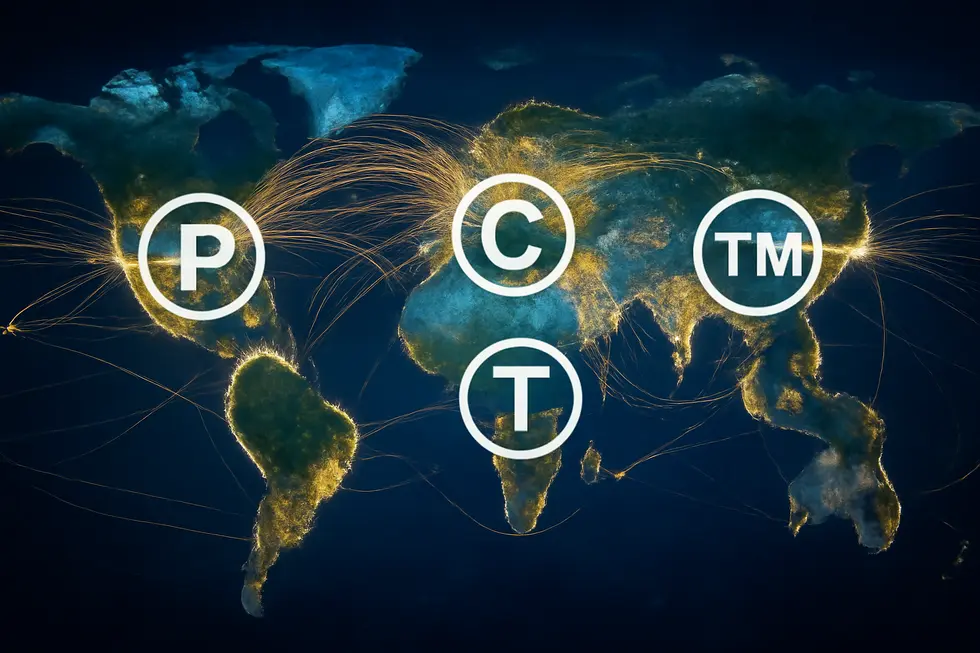
1. How Patents, Copyrights, and Trademarks Drive Technological Innovation in Global Trade
Patents, copyrights, and trademarks serve as crucial mechanisms that enable technological progress within international trade frameworks. By granting exclusive rights to inventors and creators, patents encourage companies to invest heavily in research and development without fear of immediate imitation, fostering breakthroughs that fuel competitive global markets. Copyright protections similarly motivate the creation of innovative software, digital content, and creative works, ensuring that developers and artists receive economic returns on their efforts across borders. Trademarks build technological value indirectly by securing brand recognition and consumer trust, which are essential as companies expand internationally.
These intellectual property rights establish a stable legal environment where innovation can thrive and be effectively commercialized worldwide. Countries with strong IP enforcement attract more foreign direct investment, as firms are confident their technologies and brands will be legally protected. This dynamic stimulates technological diffusion and transfers across nations, boosting global productivity.
Yet, balancing protection with access remains a challenge, especially in fast-evolving digital industries. Effective IP policies must adapt to new technological realities while promoting fair competition. For further insight on trademark protections that support business innovation and identity, see this detailed overview of trademark protection for business names and logos.
2. How Intellectual Property Shapes Global Economic Trade and Innovation Dynamics
Patents, copyrights, and trademarks play pivotal economic roles in shaping international trade by protecting intangible assets that drive innovation and brand value. Patents provide inventors exclusive rights to commercialize technological advances, encouraging research investment and creating competitive advantages in global markets. Copyrights safeguard creative works, ensuring authors and artists can monetize and distribute their content worldwide, fostering cultural exchange and economic diversification. Trademarks establish distinct brand identities, enabling consumers to recognize products and services reliably, which builds customer loyalty across borders.
These protections stimulate economic growth by facilitating licensing agreements, partnerships, and cross-border trade in innovation-intensive industries. Countries with robust intellectual property systems attract foreign direct investment and incentivize domestic innovation, enhancing their competitive positioning. However, this system also requires balancing protection with accessible diffusion of knowledge to maintain fair competition and consumer welfare. Ultimately, intellectual property rights underpin crucial economic networks that fuel technological progress, market expansion, and cultural development in the global trading environment. For more on how trademarks support business identity, see this guide on trademark protection for business names and logos.
3. Strategic Geopolitical Influence of Patents, Copyrights, and Trademarks in Shaping International Trade Dynamics
Patents, copyrights, and trademarks serve as powerful instruments in the geopolitical landscape, influencing international trade relationships and national competitiveness. Countries strategically leverage intellectual property rights (IPR) frameworks to attract foreign investment, encourage domestic innovation, and secure economic dominance. Strong patent protections signal a nation’s commitment to technological advancement, fostering research and development partnerships across borders. Meanwhile, trademark protections uphold brand integrity and consumer trust on a global scale, facilitating smoother market entry and export growth. Copyright regimes further protect creative industries, sustaining cultural exports and digital markets. These IP tools underpin trade agreements and diplomatic negotiations, where balanced enforcement becomes a critical bargaining chip. Nations often compete to harmonize IP standards internationally, ensuring protection aligns with their economic priorities while confronting challenges such as counterfeiting and digital piracy. By shaping trade policies and fostering innovation ecosystems, these intellectual property rights embed themselves at the core of global economic strategies and geopolitical maneuvering. For a deeper understanding of trademark roles in business protection, explore insights on trademark protection for business names and logos.
4. Cultural Influence and Societal Impact of Intellectual Property in Global Trade Dynamics
Patents, copyrights, and trademarks shape not only economic and legal frameworks but also deeply influence cultural expression and societal interaction worldwide. These intellectual property rights (IPR) define how creative works, inventions, and brand identities circulate across borders, impacting access to knowledge, innovation, and cultural heritage. By protecting creators’ rights, IPR encourages the production of art, literature, technology, and unique brand identities that form part of a country’s cultural fabric. However, the exclusive nature of these protections also raises important questions about equitable access and cultural diversity, particularly when dominant markets impose their IP standards globally.
The global enforcement of IP laws often reflects geopolitical power balances, influencing which cultural products reach international audiences and how local traditions adapt or resist commercial influences. Trademarks, for example, foster brand recognition that can carry cultural meanings beyond mere commerce, while copyrights secure the legacy of artistic and literary contributions. Yet, tensions arise in balancing IPR’s protective role with public interest, such as preserving folklore, enabling education, and supporting digital cultural exchange.
Understanding these societal and cultural dimensions highlights how IPR, while designed to stimulate global trade and innovation, also negotiates identity, heritage, and consumer trust in an interconnected world. For deeper insights into protecting creative works and navigating copyright challenges, see copyright information example business.
Chapter 5: Societal implications and challenges of patents copyrights and trademarks are examples of intellectual property rights

1. How Patents, Copyrights, and Trademarks Shape Technology and Society
Patents, copyrights, and trademarks serve as crucial pillars in shaping technological progress and societal norms. Patents provide inventors exclusive rights to their innovations, fostering an environment where technological breakthroughs can flourish without fear of immediate imitation. This exclusivity drives investment in research and development, fueling advancements across industries. Copyrights protect creative expressions such as literature, art, and software, encouraging cultural development by granting creators control over how their works are used and shared. Meanwhile, trademarks distinguish brands in the marketplace, helping consumers identify trusted products and services, which supports fair competition and informed choices.
Together, these intellectual property rights influence not only innovation but also how society accesses and values knowledge and culture. While they incentivize creativity and economic growth, they also raise complex issues regarding accessibility, particularly in the digital age where copying and distribution are effortless. Balancing protection with public benefit remains an ongoing challenge, requiring adaptive legal frameworks and enforcement measures. For deeper insights on protecting business identities through trademarks, see the guide to trademark protection for business names and logos.
2. Navigating Economic Barriers and Social Consequences of Intellectual Property Protections
Patents, copyrights, and trademarks form the backbone of intellectual property rights, designed to reward creativity and innovation. However, their economic and societal implications present complex challenges. Economically, these rights can create monopolies on inventions, creative works, and brand identities, sometimes inflating costs for consumers and limiting competition. High costs of securing and enforcing protections may disadvantage individual creators and small businesses, hindering equitable access to intellectual property benefits. Society also grapples with the balance between protecting creators’ rights and ensuring public access to knowledge and culture. Excessive or overly broad protections risk stifling follow-on innovation and cultural exchange, while inadequate safeguards may discourage investment in new ideas. Digital advancements further complicate enforcement, as unauthorized reproductions and imitations spread quickly across borders. Despite these challenges, intellectual property protections remain integral for economic development and creative incentive, demanding ongoing adjustments to maintain fairness and accessibility. For deeper insights into how businesses can navigate the nuances of intellectual property, explore detailed perspectives on copyright law and its impact on public domain.
3. Navigating Geopolitical Dynamics and Societal Impact of Intellectual Property Rights
Patents, copyrights, and trademarks do more than protect individual creators; they shape global power dynamics and societal evolution. On the geopolitical stage, intellectual property rights (IPR) influence trade policies, international relations, and economic competitiveness. Countries vie to strengthen their IP regimes to attract foreign investment and stimulate domestic innovation, often shaping global technology flows and cultural exchanges. This competition can create tension when enforcement and standards vary widely between jurisdictions, impacting access to knowledge and technologies. Societally, IPR affects who can create, distribute, and profit from cultural and technological works. While these rights incentivize creativity and innovation, they also prompt ongoing debates about equitable access, especially in healthcare, education, and digital content. Balancing protection with public interest requires nuanced policies that consider diverse cultural values and economic contexts. Moreover, the rise of digital media challenges traditional IP frameworks, demanding adaptive protections that address copying, distribution, and ownership rights in a connected world. Integrating geopolitical awareness with societal needs ensures that intellectual property systems foster both innovation and shared cultural growth. For further insights into the nuances of copyright in business, see copyright language for business owners.
4. Navigating Cultural and Social Dilemmas within Intellectual Property Protections
Intellectual property rights, including patents, copyrights, and trademarks, significantly shape societal and cultural landscapes. While these protections encourage innovation and creativity, they also raise complex social challenges. One central issue is the tension between protecting creators’ interests and ensuring public access to knowledge and culture. Patents, for example, can restrict access to life-saving medical technologies, creating ethical debates about affordability and equity. Copyrights often spark discourse around cultural expression, especially when traditional or indigenous knowledge intersects with modern IP regimes, risking the marginalization of communities whose heritage may not fit neatly into Western legal frameworks.
Trademarks, as brand identifiers, influence consumer perceptions and cultural identity but can sometimes lead to conflicts over cultural symbols or names, raising concerns about cultural appropriation or dilution. These challenges highlight the difficulty of balancing exclusivity with inclusiveness, as overprotection may stifle creativity or limit public cultural resources. Furthermore, enforcing IP rights across diverse jurisdictions complicates addressing these societal tensions globally. Understanding the nuanced societal roles of IP protections calls for ongoing dialogue and adaptation to ensure they foster innovation without undermining cultural diversity or social equity. For deeper insights on trademark-related cultural considerations, see trademark protection for business names and logos.
Final thoughts
Patents, copyrights, and trademarks together form an integrated system that empowers business owners to protect innovations, enhance brand identity, and participate confidently in global commerce. Recognizing the legal foundations and economic incentives they provide highlights their role as indispensable tools in fostering business growth and technological progress. At the same time, staying informed about international implications and societal challenges ensures that IP strategies align with both market realities and ethical considerations. Embracing intellectual property rights strategically equips businesses to navigate complexity, fuel innovation, and solidify market presence for enduring success.
Your IP is the foundation of your success – let’s protect it together before it’s too late. We can’t wait to help you turn your ideas into legally secured assets.
About us
undefined