
Introduction
Registered cattle brands serve as a critical tool for livestock owners, providing clear proof of ownership and enabling efficient traceability within increasingly regulated agricultural environments. For business owners engaged in ranching, livestock trading, or agricultural management, grasping the system behind cattle branding is more than tradition—it is a practical necessity. This knowledge ensures protection of assets, compliance with legal standards, and preservation of valuable heritage. The first chapter explores the legal frameworks and systems that govern registered cattle brands, providing clarity on ownership rights and regulations. Then, we examine the diverse registration procedures across regions, highlighting how these processes impact business operations and brand uniqueness. Finally, the article delves into the historical and cultural significance of registered cattle brands, illuminating how they embody family heritage and regional identity, which is essential for long-term brand value and recognition.
Tables of Contents
Chapter 1: The System and Legal Framework of Registered Cattle Brands
- Registration, Inspection, and Legal Safeguards: How Cattle Brand Systems Protect Livestock Ownership
- Navigating State-Specific Registration, Transfer Procedures, and Enforcement in Cattle Branding
Chapter 2: Understanding the Registration Process of Registered Cattle Brands Across Regions
- Navigating the Application, Approval, and Compliance Journey of Registered Cattle Brands
- Global Traditions and Modern Advances: Navigating the Diverse Registration Landscape of Cattle Brands
Chapter 3: The Historical and Cultural Importance of Registered Cattle Brands
- Tracing Ownership and Identity: The Enduring Historical Role of Registered Cattle Brands
- How Registered Cattle Brands Forge Cultural Identity and Community Heritage
Chapter 1: The System and Legal Framework of Registered Cattle Brands
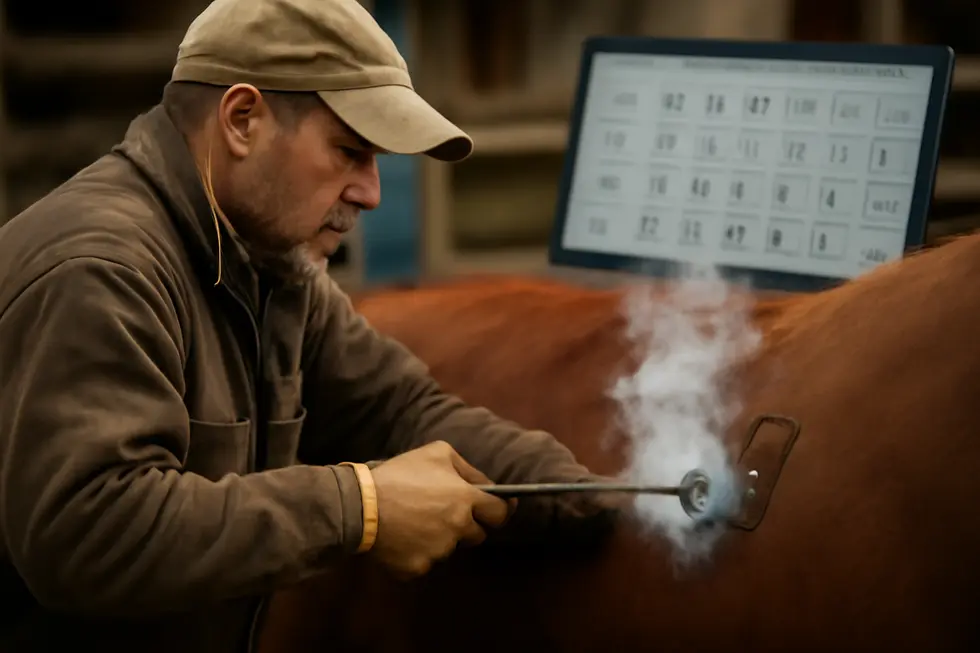
1. Registration, Inspection, and Legal Safeguards: How Cattle Brand Systems Protect Livestock Ownership
Registered cattle brands serve as vital instruments in affirming livestock ownership, safeguarding property rights, and supporting regulatory compliance. These marks function not only as physical identifiers etched onto cattle but also as legal symbols, much like trademarks, granting owners exclusive rights to their use. The process of registration is foundational to this system, designed to ensure the uniqueness and legitimacy of each mark within a jurisdiction.
Cattle brand registration systems vary by region but share common principles. In many U.S. states such as Idaho and Arizona, owners of range livestock must select and register a distinctive brand with state authorities before use. This registration confers official recognition, preventing duplication and reducing disputes over ownership. To maintain transparency and contest any conflicting claims, proposed brands typically undergo a public notice period during which objections may be raised. This step resembles the safeguard in intellectual property law where trademarks are examined for possible infringement before approval. Once a brand is registered, only the owner or an authorized lessee may apply it to animals, and strict guidelines govern where and how the brand is placed to preserve its legal standing.
Integral to the legal framework surrounding cattle brands are inspection programs. These inspections act as checkpoints reinforcing ownership integrity when livestock are sold, transported across state lines, or consigned for slaughter. Certified inspectors verify that the brands on animals match official registry records, and ensure accompanying documentation such as bills of sale and inspection certificates are in order. Typically, the seller arranges and finances these inspections, underscoring their role in confirming valid ownership and lawful transfer. This practice not only discourages theft but also empowers authorities to trace stolen or missing cattle through registered brand information. In this way, brand inspections provide concrete evidence critical to resolving disputes, helping ranchers protect their investments.
Legal protection mechanisms extend beyond mere recognition. Registered cattle brands enjoy enforcement through statutes that treat unauthorized use—and related violations such as improper application or failure to inspect—as legal offenses. These infractions carry penalties varying from fines to criminal charges, including misdemeanors that may involve jail time for repeat or serious breaches. Enforcement also requires formal processes for transferring brand ownership, which mimic the transfer of real estate titles. Such transfers must be documented and filed with the appropriate state division to maintain clarity and legal validity. Failure to follow proper procedures renders brand ownership disputes more complicated and can undermine the owner’s ability to assert rights.
Modern enforcement of branding laws balances physical inspections with digital tools. Many jurisdictions have transitioned to online searchable registries, allowing ranchers and officials to quickly access current brand status and ownership information. These technological improvements facilitate compliance, reduce confusion, and enhance traceability efforts crucial for livestock management, disease control, and food safety. Inspections performed at strategic points like sales yards, transport routes, and slaughterhouses combine with this transparency to provide a comprehensive defense against cattle theft and fraud.
Globally, the framework for cattle brand registration and enforcement shares similarities but adapts to local legal systems and livestock management practices. For instance, some countries impose mandatory branding deadlines following animal purchase or gifting, while others integrate branding with supplementary identification methods like ear tagging to strengthen traceability. Regardless of variation, the underlying goal remains constant: to use registered branding as an authoritative, enforceable method to confirm ownership and support a stable livestock industry.
This detailed registration and inspection infrastructure underscores the significance of cattle brands as more than mere livestock markings. They embody a structured legal system that protects owners’ rights and provides essential tools for managing and verifying cattle ownership. For ranchers and authorities alike, understanding the procedural and legal safeguards around registered cattle brands is critical in preserving this cornerstone of livestock stewardship.
For those interested in a deeper understanding of the protection that registered livestock brands afford their owners, resources on legal ownership and infringement protections akin to trademarks offer valuable insights.
2. Navigating State-Specific Registration, Transfer Procedures, and Enforcement in Cattle Branding
Registered cattle brands serve as essential legal markers that establish livestock ownership and help prevent theft. Yet, the procedures governing their registration, transfer, and enforcement differ widely across states, reflecting local legislative priorities and administrative structures. Understanding these variations reveals not only the complexity of cattle branding laws but also the critical role they play in protecting ranchers’ property rights and preserving the integrity of livestock management.
At the core, branding laws require that cattle owners register their unique brands with designated state authorities, ensuring each mark is exclusive and legally recognized. For example, states like Idaho mandate that anyone breeding or owning livestock intended for consumption must maintain a registered brand, which the Idaho State Brand Inspector regularly reviews. This inspection process is critical for upholding compliance and authenticity, and failure to adhere can lead to legal penalties. Similarly, Wisconsin treats recorded brands as personal property, allowing them to be transferred between individuals much like other tangible assets. This legal characterization underscores the value placed on brands within the livestock economy, recognizing them as transferable rights with defined ownership.
The process by which brands are recorded varies considerably. In Arizona, owners must first advertise their proposed brand in an official state publication before it can be formally recorded. This step provides public notice and helps avoid conflicts with existing marks. When transferring ownership, Arizona law requires a bill of sale to be signed and recorded by the state, formalizing the transaction and maintaining clarity over brand possession. Additionally, if a brand is leased rather than sold, the owner must sign the lease and file it with the state division, reaffirming their control and oversight.
Such procedural nuances highlight the layered approach states use to maintain brand integrity. Wisconsin’s approach involves not only recognizing brands as personal property but also demanding that all transfers include recorded documentation accompanied by a transfer fee paid to the department overseeing brands. This ensures an official public record exists and that brand ownership shifts are clear and enforceable. These variations hint at the decentralized but coordinated efforts between county and state authorities. In many places, county clerks maintain initial brand records which they forward to higher state agencies, intertwining local oversight with broader legal governance.
Enforcement is arguably the most critical element of the cattle branding legal framework. Registered brands are a form of property, and unauthorized use equates to infringement akin to theft. States empower brand owners with legal remedies to protect their rights. Wisconsin law explicitly allows owners to sue for injunctions to halt unauthorized use and to recover damages stemming from infringements. Similarly, Idaho’s enforcement mechanisms include penalties for failing to comply with inspection and branding rules, reinforcing the seriousness with which states guard these identifiers.
This legal enforceability anchors the system, ensuring the unique identity and ownership conveyed through cattle brands are respected and preserved. Without such enforcement, the risk of brand duplication or fraud could undermine both individual ranchers’ investments and the larger agricultural community’s trust.
Though the precise legal requirements and procedures differ from state to state, common threads unite them in safeguarding livestock identity and ownership. Registered cattle brands represent a fusion of property law and agricultural practice, creating a system where unique marks are not only physical imprints on animals but also codified rights enforceable through statutes and court actions. Livestock owners must stay well-informed of their state’s specific regulations on registration, transfer, and enforcement to ensure their brands remain valid and protected.
For those engaging in cattle ownership or trade, understanding the specific registration protocols—including advertising requirements, documentation of transfers, and legal remedies—is fundamental. This knowledge enables them to navigate the complexities of brand management effectively and safeguard their valuable assets. Knowledge on brand protection may be further complemented by resources explaining trademark principles and intellectual property rights, since branding shares conceptual similarities with marks used in commerce for identity and protection.
Together, state variations in brand registration, transfer procedures, and enforcement shape a patchwork legal foundation that supports and secures the ranching heritage and livestock economy across the country. Recognizing and adhering to these regulations ensures that registered cattle brands continue to function as reliable, legally recognized symbols of ownership and trust.
For a deeper understanding of protecting marks and related business identity safeguards, exploring further insights into trademark protection and law can provide valuable context.
Chapter 2: Understanding the Registration Process of Registered Cattle Brands Across Regions
1. Navigating the Application, Approval, and Compliance Journey of Registered Cattle Brands
The process of registering cattle brands is a foundational practice in livestock management that establishes clear legal ownership while promoting traceability and theft prevention. This journey begins with submitting a formal application to the relevant regulatory authority, which varies by region but commonly includes departments such as a state’s Department of Agriculture or specialized Livestock Brand Boards. The application must convey the owner’s identity, include a distinct brand design, specify the species to be branded (primarily cattle), and designate the exact location on the animal’s body for the branding mark. A required nonrefundable fee often accompanies this submission.
Once received, the application undergoes a thorough review ensuring the brand’s uniqueness and compliance with existing regulations. Authorities take great care to avoid duplication, as overlapping brands could lead to confusion or disputes. Any design conflicting with previously registered marks or failing to meet local standards is rejected. When approved, the owner is granted an official certificate confirming exclusive rights to the brand, along with legal recognition necessary to assert ownership if conflicts arise.
Though the foundational elements remain consistent, the registration and regulatory framework vary globally and even within countries. In the United States, state governments predominantly manage brand registration, with some states implementing periodic renewal requirements to maintain an active brand status. For example, Wisconsin mandates re-recording registered brands every decade. Additionally, brand inspections frequently occur during livestock sales or ownership transfers to verify the authenticity and alignment with recorded information.
Distinctively, agencies such as the Bureau of Land Management (BLM) handle specialized branding for wild horses using freeze branding—a method that imparts a unique, identifiable pattern of symbols and numbers tailored to this animal category. This specialized approach highlights how regulatory branding methods adapt not only to regional laws but also to species-specific practices.
Internationally, countries like Namibia regulate branding with specific mandates requiring cattle older than six months to carry brands, extending this requirement to younger animals when transported. Namibia’s regulations also differentiate between cattle and other livestock, with brands reserved mainly for cattle while species like sheep, goats, and pigs are identified by alternatives such as ear tags or microchips. These distinctions reflect practical and cultural variations in livestock identification worldwide.
In some U.S. states such as Michigan, electronic identification methods like EID or RFID tags complement traditional branding, enhancing traceability especially in disease control efforts. These identification technologies integrate seamlessly with branding systems, representing evolving regulatory compliance that balances tradition with technological advancements.
The advantages of a standardized registration system are multifaceted. Registered brands secure legal ownership rights, which are crucial for resolving ownership disputes and supporting theft prevention measures. They also significantly contribute to animal traceability, which is vital for public health, managing disease outbreaks, and enforcing livestock movement laws. Compliance with inspection protocols reinforces integrity in the cattle industry, building trust among ranchers, buyers, and regulators.
For livestock owners, navigating these regulatory processes requires careful attention to regional differences—from application submission, unique design creation, fee payments, to understanding renewal timelines and inspection obligations. It is advisable to consult the specific agricultural or livestock brand authority websites for concise instructions, fee schedules, and forms tailored to local requirements. Doing so streamlines the registration experience and ensures adherence to all relevant laws and standards.
Overall, the registration process links tradition with modern regulatory demands, safeguarding both the heritage and operational control that registered cattle brands represent. This balance fosters sustainable ranching practices while reinforcing the industry’s commitment to lawful, transparent livestock management. For more detailed guidance on livestock brand registration processes, exploring resources dedicated to intellectual property and registration systems offers valuable insight into protecting animal identifiers effectively.
2. Global Traditions and Modern Advances: Navigating the Diverse Registration Landscape of Cattle Brands
The registration of cattle brands stands as a crucial practice intertwining legal, cultural, and economic threads worldwide. Despite its shared purpose—to unequivocally mark livestock ownership and prevent theft—the nuances of brand registration reveal fascinating distinctions shaped by regional regulations, technological adoption, and economic factors.
Across continents, the fundamental requirement persists: a livestock owner must submit a distinctive brand design along with their ownership details and the specific location intended for branding on the animal. This submission is made to a designated authority—ranging from local brand offices to state or national regulatory bodies—which ensures the uniqueness of the brand and provides it with legal recognition. Such registries promote market transparency and effective enforcement against cattle rustling, fostering confidence among producers and buyers alike.
In southern Africa, countries like Botswana and Namibia illustrate how deeply regional tradition and governmental regulation govern cattle branding. Botswana mandates a unique zonal symbol physically branded on the left side of the animal’s neck, a practice tightly overseen by presidential regulations that safeguard regional exclusivity and prevent brand overlap. Namibia imposes a strict legal requirement for branding all cattle older than six months, or younger if shipped. Cattle bound for export bear an additional brand on the left cheek—an “N”—reflecting the country’s emphasis on traceability in international trade. Adding layers to this complexity, stud animals in Namibia must display further branding that aligns with breed association standards, highlighting the intersection of breeding lineage and regulatory oversight.
Meanwhile, the United States presents a blend of traditional methods paired with evolving technologies. The Bureau of Land Management applies freeze branding, a technique that uses extreme cold to depigment hair rather than burning the skin. This method, alongside a rigorously standardized alpha-angle system, encodes information such as the registering organization, year of birth, and a unique registration number. These multi-dimensional branding elements serve not only ownership identification but also aid in managing wild horseback populations, underscoring an adaptive use of branding that transcends conventional agricultural applications.
The technological integration within cattle branding is both an evolution and complement to historical practices. Traditional hot branding—burning a specific mark onto the animal’s hide—remains widespread for its permanence and cultural resonance. Freeze branding offers a less painful alternative, favored for animal welfare reasons, and produces legible white hair marks easily discernible at a distance. Tattooing, often utilized in dairy cattle and equine identification, applies ink marks inside the animal’s ear or lip, providing a subtle but permanent identification. More recently, microchip transponders have been implanted subcutaneously, enabling effortless digital traceability and supporting biosecurity through disease outbreak management. Yet despite these innovations, many livestock owners maintain physical branding due to its cost-effectiveness and deep-rooted symbolic value within ranching communities.
Economic considerations strongly shape participation and the accessibility of brand registration systems. Fees associated with registering a brand can vary immensely by region and even by the type of brand sought. For instance, in Washington State, initial brand registrations cost $132, while special heritage brands can command fees up to $600. These heritage brands often commemorate family legacies and historic ranching enterprises. While such fees provide funding for brand enforcement and registry maintenance, they can represent barriers for smaller producers, potentially skewing participation toward larger ranching operations. Nevertheless, the legal protections afforded by registration mitigate livestock theft and costly ownership disputes, thereby reinforcing trust and integrity within livestock markets.
Heritage brand programs, common in regions like the U.S., merge economic incentives with cultural preservation. These programs safeguard family and regional brands passed down through generations, linking the economic value of cattle marketing with the social fabric of ranching traditions. They highlight how brand registries, beyond identity tools, serve as living archives of community heritage and historical continuity.
In sum, the registration process for cattle brands reflects a tapestry of regional customs, evolving technologies, and financial frameworks. Global practices range from rigorously codified zonal branding in Botswana to the technologically enhanced freeze branding of U.S. mustangs. While modern electronic identification offers promising improvements in traceability and welfare, the enduring presence of physical brands underscores their cultural resonance and pragmatic advantages. The interplay of these factors shapes a dynamic registration landscape, balancing tradition, innovation, and economic realities.
For those interested in understanding the legal intricacies of trademark and brand protection as applied beyond cattle branding, exploring resources on trademark protection for business identities can offer valuable insights. Such knowledge may illuminate parallels in intellectual property frameworks that support brand exclusivity and legal enforcement within varied industries.
Chapter 3: The Historical and Cultural Importance of Registered Cattle Brands
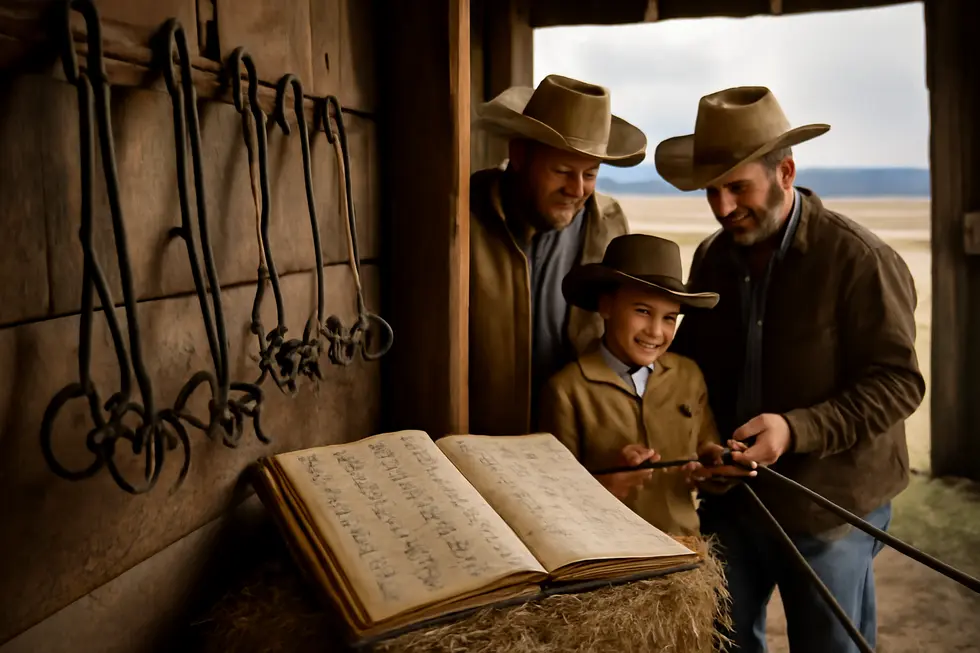
1. Tracing Ownership and Identity: The Enduring Historical Role of Registered Cattle Brands
Registered cattle brands carry a weight of history that extends far beyond their immediate function as livestock identifiers. Their roots trace back thousands of years, originating from ancient civilizations where ownership needed clear physical proof. Around 2000 BCE, Egyptians used hot-iron branding to mark their cattle, reflecting an early understanding of the importance of permanent animal identification. This practice evolved and spread, ultimately shaping the legal and cultural foundations of ranching communities worldwide.
The historical journey of cattle branding in the Americas began with Hernán Cortés in the 16th century. Spanish conquistadors introduced hot-iron branding to claim and manage their herds, establishing ownership in territories largely unsettled by European legal systems. As ranching developed across the expansive open ranges of North and South America, branding grew into an essential tool that secured property rights, controlled livestock movement, and mitigated theft. Each brand symbol often transcended simple ownership marks, becoming intrinsically tied to the rancher’s reputation, identity, and status—much like heraldic crests in European nobility.
To address issues of duplication and livestock disputes, governments implemented brand registration laws that formalized branding into a legal institution. These laws prohibited altering registered brands and mandated unique designs to prevent confusion. This codification protected ranchers’ investments and stabilized local economies dependent on cattle industries. For example, detailed historical brand registries dating back to the late 19th century, such as those maintained in Texas and Montana, not only confirm ownership but now serve as invaluable documents for researchers tracing patterns of settlement, land use, and family histories.
The cultural resonance of registered brands extends beyond practical application. In regions steeped in ranching heritage, brands symbolize tradition and community connection. Indigenous groups like the Morongo Band of Mission Indians integrate branding into their cultural celebrations, emphasizing a multigenerational link that honors ranching as a critical part of their collective identity. This blend of agricultural practice with cultural expression highlights how brands have morphed into emblems of pride and belonging over the centuries.
Technological changes also reflect the historical progression of branding methods. While hot-iron branding remains the legally recognized standard in many U.S. states, the advent of freeze branding in the 1960s introduced an alternative marking approach. Freeze branding, which uses extreme cold to alter hair pigmentation rather than burn the skin, was adopted to reduce animal harm and improve legibility. However, legal recognition of freeze brands varies regionally, underscoring how historical practices continue to influence contemporary livestock regulation. The preference for registered hot-iron brands in legal contexts emphasizes their rootedness in tradition and the strength of their historical legitimacy.
Historical registers, such as the Register of Cattle Brands from Laredo, Texas (1867-1868), provide a snapshot into the past economic and social order of ranching communities. These records not only verify ownership but also help illustrate the development of agricultural economies, migration patterns, and regional identities. By examining these archives, historians and genealogists alike can better understand how cattle branding shaped the fabric of rural life.
Thus, registered cattle brands stand as enduring artifacts linking past to present. They embody centuries-old agricultural knowledge, legal protection frameworks, and cultural values that continue to define ranching societies. As symbols of ownership, they safeguard economic interests; as cultural icons, they preserve community narratives; and as historical records, they offer insight into the evolution of land use and livestock management.
For ranchers and historians alike, understanding the historical significance of registered cattle brands means recognizing their dual role as practical tools and cultural legacies. They encapsulate the complex interplay between identity, legality, and tradition—elements that remain central to managing and honoring livestock ownership today. For further insights on trademark and brand protection beyond cattle, exploring resources on trademark protection for business names and logos can provide useful perspectives on how distinctive marks serve as valuable assets across diverse fields.
2. How Registered Cattle Brands Forge Cultural Identity and Community Heritage
Registered cattle brands transcend their functional role as markings of ownership, embodying rich cultural identities that have been woven through generations of ranching communities. From their ancient origins to their revered place in modern ranch life, these brands symbolize much more than property—they represent a shared heritage and the enduring spirit of communities anchored in cattle culture.
The practice of branding livestock dates back millennia, with some of the earliest evidence appearing in ancient Egypt around 2000 BCE. This tradition reached North America in the 16th century through Spanish explorers like Hernán Cortés, who introduced branding techniques to indigenous ranchers. Over centuries, branding evolved from a simple method of identifying animals into a sophisticated language of symbols, capturing family lineage, regional stories, and social standing within the ranching community. Much like a family crest or heraldic emblem, a registered cattle brand conveys intangible connections to place and ancestry.
This symbolic dimension is inseparable from the legal structure underpinning brand registration. Governments enforce the uniqueness and authenticity of cattle brands through registration systems, which protect their owners from duplication and misuse. This protection highlights registered brands as a form of intellectual property that safeguards not only economic value but also cultural legacy. Families and ranches carry their brands forward as sacred markers of reputation, pride, and responsibility, linking past achievements to present-day stewardship of land and livestock.
Beyond individual ownership, cattle brands play an integral role in sustaining community cohesion. They serve as shared symbols that connect ranch families across time, enabling the transmission of customs, stories, and values through generations. This intergenerational continuity helps reinforce a sense of belonging and collective identity, particularly in rural areas where cattle ranching shapes economic life and social fabric alike. Amid environmental challenges and shifting markets, these brands provide a consistent cultural anchor that underpins resilience and mutual support within ranching societies.
Family histories intertwined with cattle brands often become local legend, with registries acting as living archives documenting ranching heritage across decades or even centuries. In states where brand records date back to the 1800s, such as Montana, these marks allow descendants to trace their lineage and recall the efforts of ancestors who built their livelihoods on the open range. This continuity strengthens not only individual pride but also a broader communal narrative of endurance, adaptation, and identity rooted in ranching traditions.
The deep cultural weight of cattle brands also extends to their role in reinforcing regional identities. Distinctive design elements often reflect local aesthetics, historical influences, or environmental features, embodying a geographic sense of place. These marks are more than practical signatures; they are cultural artifacts expressing the rich tapestry of life shaped by the cattle industry—from open prairies and rugged mountains to desert plains.
Thus, registered cattle brands are living emblems balancing functional necessity with cultural meaning. They capture the intertwined essence of economic activity and social values, preserving heritage while adapting to modern realities. Through legal recognition and community reverence, these brands continue to define identities, connect families, and celebrate the enduring legacy of ranching culture.
For those interested in understanding how legal protections enhance and preserve these cultural symbols, exploring the nuances of intellectual property rights related to cattle branding offers valuable insights. This legal dimension underscores the intricate bond between cultural identity and ownership in the ranching world, tying tradition to contemporary frameworks that ensure brands remain robust symbols of heritage and pride.
Final thoughts
Registered cattle brands are indispensable tools for business owners engaged in ranching and livestock management. They establish clear legal ownership, facilitate effective traceability, and uphold regulatory compliance essential in today’s agricultural landscape. Understanding the legal frameworks surrounding brands allows businesses to protect their assets and reduce risks related to theft and disputes. Navigating regional registration processes further ensures that brands remain unique, recognized, and valid across jurisdictions, strengthening operational security. Beyond these practicalities, registered cattle brands carry profound historical and cultural importance. They symbolize multi-generational heritage and regional identity that add intangible value to a ranching enterprise. Business owners who appreciate this blend of legal protection and cultural legacy will find their brands not only secure but also enriched with meaning, securing long-term competitive advantage and family pride.
Your IP is the foundation of your success – let’s protect it together before it’s too late. We can’t wait to help you turn your ideas into legally secured assets.
About us
undefined