
Introduction
Understanding the nuances between trademark registration and the concept of a trademark itself is vital for all business owners. This nuanced realm can define your legal rights, brand integrity, and overall business strategy. A trademark can exist without formal registration, yet registering offers legal benefits that can enhance your brand’s value and protect it in disputes. This article will explore these concepts through five comprehensive chapters. We’ll begin with foundational definitions to clarify the key differences between registration and trademark. Next, we’ll delve into the vital legal benefits that registration brings to the table, followed by an outline of the trademark registration process for those considering this route. The impact of these concepts on your overall business strategy and asset valuation will be examined. Finally, we’ll touch on international considerations, such as how to extend your trademark’s protections globally. These insights will equip business owners like you with the knowledge needed to protect and expand your brand effectively.
Tables of Contents
Chapter 1: Navigating the Legal Landscape of Trademarks: Registration and Its Significance
- Trademark Registration: A Deep Dive into the Process and Its Relevance
- What Makes a Trademark: A Deep Dive into Its Core Elements
- Decoding the Legal Landscape: Registration vs Trademark and Their Protection Dynamics
- Exploring Enforcement and Symbolism in Trademark Registration
- The Legal Backbone: How Registration Elevates Trademark Rights
Chapter 2: Unlocking Legal Protections: Advantages of Trademark Registration
- How Trademark Registration Empowers Brand Protection and Enforcement
- Legal Benefits of Trademark Registration: Fueling Business Growth and Unlocking Licensing Potential
- Nationwide and Global Trademark Registration: Essential for Brand Protection
- Trademark Registration: A Cornerstone for Brand Credibility and Trust
- The Power of Registration: Presumptions of Validity and Ownership in Trademark Law
Chapter 3: Navigating the Trademark Registration Process: A Comprehensive Journey from Search to Certificate
- Mastering the Trademark Registration Journey: Essential Steps from Idea to Protection
- Navigating Trademark Rights: The Crucial Differences Between Registration and Use
- Understanding the Financial Landscape of Trademark Registration: Evaluating Costs and Strategic Advantages
- International Dynamics in Trademark Registration: Navigating Geopolitical Complexity
- Enhancing Public Awareness and Protecting Brands through Trademark Registration
Chapter 4: Navigating the Nuances of Trademark Registration and Protection
- Strategic Advantages of Trademark Registration in Business Operations
- Harnessing the Power of Trademarks: Strategic Leverage in Brand Identity
- Unlocking Asset Value and Attracting Investors: The Role of Trademark Registration
- Harmonizing Investments in Patents and Trademarks for Optimal Business Strategy
- Geopolitical Forces Shaping Trademark Strategy and Valuation in Global Markets
Chapter 5: Navigating Global Trademark Landscapes: A Closer Look at Jurisdictional Challenges
- The Territorial Tapestry of Trademark: Navigating Jurisdictional Nuances
- Expert Strategies for International Trademark Registration: Safeguarding Your Brand Worldwide
- International Maintenance: Sustaining Trademark Rights in Global Markets
- Local Compliance and Representation for Effective Global Brand Protection
- Navigating Global Brand Protection: Strategies for Trademark Enforcement and Registration
Chapter 1: Navigating the Legal Landscape of Trademarks: Registration and Its Significance
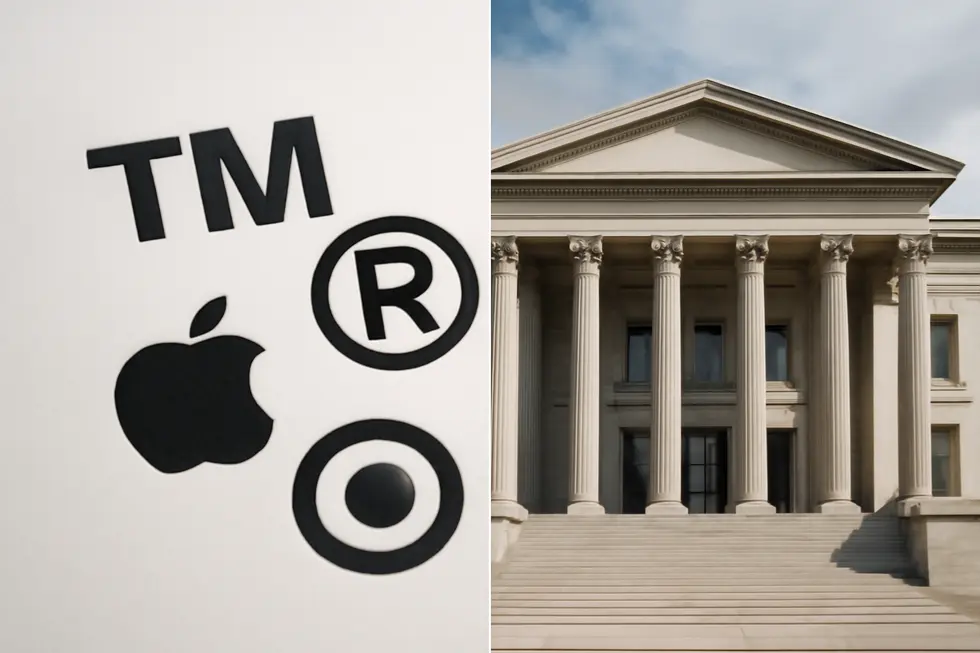
1. Trademark Registration: A Deep Dive into the Process and Its Relevance
The process of trademark registration is essential for businesses seeking to protect their brand identity. This formal mechanism involves multiple steps: first, conducting a preliminary trademark search to ensure that the desired mark is unique and not already in use. Next, applicants must file a trademark application with the relevant authorities, detailing the mark and the associated goods or services. Following this, there is an examination phase, where the application is scrutinized for any conflicts. If approved, the mark is published for opposition, allowing third parties to contest the registration. Successful registration grants exclusive legal rights nationwide, along with a legal presumption of ownership, and the ability to use the ® symbol, showcasing the mark’s protected status. This registration process is crucial for businesses, as it fortifies their ability to enforce their rights and enhances the mark’s overall value as an asset. For an in-depth understanding, you can explore the benefits of trademark protection at trademark2go.com.
2. What Makes a Trademark: A Deep Dive into Its Core Elements
A trademark serves as a vital identifier in the marketplace, encapsulating the essence of a brand through unique words, symbols, phrases, logos, and even unconventional elements like colors or sounds. For instance, the iconic Nike swoosh is not just a visual; it’s a powerful symbol recognized globally, representing quality and performance. To qualify as a trademark, a mark must be distinctive, falling into categories such as arbitrary, suggestive, descriptive, or fanciful. However, generic terms, which merely describe product categories, cannot be trademarked.
Moreover, while unregistered common law trademarks offer some protection, they lack the robust safeguard of registered trademarks, denoted by the ® symbol. This legal distinction becomes crucial for businesses aiming to solidify their brand identity.
3. Decoding the Legal Landscape: Registration vs Trademark and Their Protection Dynamics
The nuances between trademark and registration fundamentally shape the legal protections available to brand owners. A trademark arises from actual use in commerce, identifying and distinguishing goods or services of one entity from another. This common law approach offers limited geographic protection, where rights are contingent on local usage. In contrast, trademark registration provides a broader and more secure framework of rights. By filing with the relevant authority, such as the USPTO, trademark owners gain nationwide protection, an official presumption of ownership, and the ability to enforce their claims in federal court. Registered marks can display the ® symbol, underscoring their protected status, while the unregistered marks function with the TM symbol, indicating mere claims of rights. Overall, registration proves vital for maximizing brand protection, especially in a competitive marketplace, ensuring that businesses can defend their trademarks effectively. For a deeper understanding of trademark protections, consider exploring common law trademark rights.
4. Exploring Enforcement and Symbolism in Trademark Registration
Understanding the differences between registered and unregistered trademarks is essential, particularly concerning enforcement mechanisms and the symbols that denote their legal status. An unregistered trademark offers some protection through common law but relies on the tort of “passing off.” This can make enforcement challenging, requiring evidence of goodwill and misrepresentation within limited geographic bounds. Conversely, a registered trademark guarantees broader protections under statutes such as the Lanham Act, allowing owners to more vigorously defend their rights with clear presumptions of validity. The symbol ™ denotes a claimed but unregistered mark, while ® signifies a legally registered trademark, enabling access to more robust legal remedies. The decision to register involves evaluating the desired scope of protection and potential enforcement strength for an effective business strategy. For more detailed information on trademark protection, see Quality Company Formations – What Does a Trade Mark Protect?.
5. The Legal Backbone: How Registration Elevates Trademark Rights
A trademark is more than just a logo or a catchy phrase; it is a key element of brand identity. Ensuring the protection of such identifiers involves a critical choice between registration and relying on unregistered status. The process of registering a trademark with a government authority, such as the USPTO in the United States, not only affirms ownership but also bestows significant legal advantages. Registered trademarks enjoy nationwide protection, affording owners the right to initiate legal action against infringement and a presumption of ownership in disputes. In contrast, unregistered trademarks depend on common law rights, which are geographically limited and less robust. Therefore, while a trademark can exist without registration, the legal backing offered through registration is indispensable for businesses seeking to safeguard their market presence and brand integrity. For more insights, check out Common Law Trademark Rights.
Chapter 2: Unlocking Legal Protections: Advantages of Trademark Registration

1. How Trademark Registration Empowers Brand Protection and Enforcement
Trademark registration significantly enhances legal protection and enforcement capabilities beyond mere common law rights. By establishing exclusive ownership, registration provides a robust framework that grants the trademark owner exclusive rights nationwide, preventing others from using similar marks. This not only solidifies the owner’s claim but allows for easier enforcement in federal courts due to the presumption of validity that registration confers. Additionally, the registered trademark serves as a public deterrent against infringement and simplifies the process of blocking counterfeit goods at the border through U.S. Customs.
Beyond legal protection, trademark registration cultivates business confidence, enhances branding opportunities, and increases the asset’s value through licensing agreements. As such, it is a critical strategic move for businesses aiming to develop and protect their brand identity effectively, ensuring long-term growth within competitive markets. Learn more about the importance of trademark protection for businesses at Trademark2Go.
2. Legal Benefits of Trademark Registration: Fueling Business Growth and Unlocking Licensing Potential
Trademark registration offers remarkable legal advantages that far exceed basic business name registrations. By securing a trademark, particularly through the United States Patent and Trademark Office (USPTO), businesses obtain exclusive rights to their marks, which mitigates the risk of competitors using similar branding. This exclusivity fosters brand trust and loyalty, essential for increased sales and market share. Furthermore, registered marks facilitate licensing opportunities, allowing businesses to generate revenue by permitting other entities to use their trademarks under controlled conditions. For instance, companies like Disney exemplify the potential of strategic licensing. To maximize these benefits, a robust trademark strategy—encompassing monitoring, enforcement, and renewal—is fundamental for sustainable growth and the long-term enhancement of trademark value. Learn more about trademark protection here.
3. Nationwide and Global Trademark Registration: Essential for Brand Protection
Trademark registration stands as a vital shield for businesses aiming to protect their brand identity in a competitive market. It provides exclusive rights that extend across the nation and, through treaties like the Madrid Protocol, internationally. When registered, a trademark ensures that no other entity can legally use a confusingly similar mark for related goods or services, safeguarding the owner’s brand and reputation. Moreover, owners benefit from legal presumptions of ownership and validity, which simplify the process of proving their rights in infringement cases. This protection not only bolsters market presence and deters potential infringers but also enhances the brand’s value, making it an essential asset in today’s interconnected commerce landscape. For more insights on protecting business names and logos, visit Trademark Protection for Business Names and Logos.
4. Trademark Registration: A Cornerstone for Brand Credibility and Trust
Trademark registration is a vital component of establishing a credible brand. By securing legal recognition for a trademark, businesses gain exclusive rights to use the mark, effectively distinguishing themselves in the marketplace. This process not only offers protection against unauthorized use but also instills confidence in consumers. The ability to display the ® symbol signifies that a mark is registered, enhancing the brand’s reputation and trustworthiness in the eyes of the market. Furthermore, a registered trademark acts as an invaluable asset that can be leveraged in licensing agreements, increasing the brand’s reach and revenue potential. With trademark registration, businesses not only safeguard their unique identity but also foster long-term growth, positioning themselves favorably against competitors.
5. The Power of Registration: Presumptions of Validity and Ownership in Trademark Law
Trademark registration serves as a formidable pillar in the protection of brand identity, offering key legal benefits that unregistered trademarks lack. Primarily, a registered trademark under the Lanham Act is presumed valid, ensuring that ownership is recognized without the need for extensive proof typically required by unregistered marks. This presumption significantly strengthens the owner’s position in legal disputes. Furthermore, after five years of uninterrupted use, a trademark can attain incontestability, providing even broader protections against challenges.
In terms of ownership rights, trademark registration offers prima facie evidence of ownership, simplifying enforcement in the event of disputes. With registration, businesses can confidently challenge unauthorized use and enhance their brand’s market presence. Emphasizing registration as a strategic investment empowers businesses to safeguard their intellectual property effectively.
Chapter 3: Navigating the Trademark Registration Process: A Comprehensive Journey from Search to Certificate

1. Mastering the Trademark Registration Journey: Essential Steps from Idea to Protection
Trademark registration involves a series of thoughtful, strategic steps crucial for safeguarding a brand identity. The journey begins with conducting a thorough trademark search to ensure your desired mark is unique, thereby preventing future legal conflicts. Next, preparation of the application is vital; gather all necessary details including the trademark’s name, logo, or slogan, as well as the associated goods or services.
Filing the application online typically follows, where accuracy is paramount to avoid processing delays. Once submitted, the trademark office evaluates the application, examining potential conflicts or issues that may arise. Should they detect any, you must respond to office actions to clarify or amend your application. Once the examination is favorable, your trademark will be published for opposition, offering third parties a chance to challenge the registration. If no opposition is raised or if it is resolved favorably, the path culminates in the registration and issuance of a certificate, granting you exclusive rights to your trademark.
2. Navigating Trademark Rights: The Crucial Differences Between Registration and Use
Trademark rights primarily stem from actual use in commerce. When asserting a trademark, users gain common law rights, which are confined to the local area where the trademark has been established. This enables users to prevent others from using confusingly similar marks, yet enforcing these rights can become challenging, especially beyond the immediate region.
In contrast, registering a trademark provides substantial advantages, such as nationwide protection and a legal presumption of ownership. The registered owner secures exclusive use rights and can utilize the ® symbol, which serves as a public deterrent against similar mark adoption. Moreover, registration makes legal enforcement more straightforward, shifting the burden of proof onto challengers. On the licensing front, registered trademarks simplify agreements and transfers, ensuring clear ownership documentation, while common law rights risk obfuscation. Thus, while use can establish rights, registration is crucial for stronger, clearer legal protections and strategic business opportunities. For an in-depth exploration of common law trademark rights, see Common Law Trademark Rights.
3. Understanding the Financial Landscape of Trademark Registration: Evaluating Costs and Strategic Advantages
Navigating the trademark registration process involves carefully assessing various economic factors that influence a business’s decision to register its intellectual property. The direct costs associated with registration, such as filing fees—which can start at around $350 per class—are balanced against indirect costs like time investment and opportunity costs that arise during the registration period. Conversely, the benefits of registration, including legal protections and enhanced market presence, can significantly outweigh these immediate expenses. A business that opts for registration gains critical advantages such as presumption of ownership and the ability to defend its mark in federal court. These strategic benefits reinforce the value of trademarks as essential business assets. Consequently, companies must strategically integrate trademark registration into their broader business strategies to maximize both protection and profit.
4. International Dynamics in Trademark Registration: Navigating Geopolitical Complexity
The trademark registration process is deeply influenced by geopolitical contexts that shape national legal frameworks and international agreements. Different nations embody varying procedures, leading to unique challenges for trademark owners. For instance, the opposition period in Argentina requires nuanced navigation through local legal customs, emphasizing the necessity for strategic awareness of diverse timelines and negotiation processes. Meanwhile, international treaties like those governed by the World Intellectual Property Organization (WIPO) aim to standardize practices but are influenced by shifting geopolitical alliances and trade relationships. Furthermore, the rise of data sovereignty concerns and amplified customs enforcement in countries such as China render the landscape more complex, necessitating a thorough understanding of local laws to safeguard trademark rights effectively. Hence, multinational entities must adopt comprehensive strategies to adapt to ongoing geopolitical changes that potentially impact trademark rights.
5. Enhancing Public Awareness and Protecting Brands through Trademark Registration
Trademark registration serves as a pivotal mechanism in the landscape of brand identity, offering not just legal protection but also enhancing public awareness. It acts as a public signal, helping consumers differentiate between authentic products and counterfeits, thus supporting consumer confidence in their purchasing decisions. By granting exclusive rights to registered mark owners, it creates legal avenues to combat infringement, deterring unauthorized use and helping maintain market integrity.
However, the societal impacts extend beyond legal advantages. Businesses can harness digital platforms to educate consumers about recognizing legitimate trademarks, fostering informed consumer behavior. Despite challenges, such as addressing gaps in protection or misuse in digital spaces, trademark registration ultimately fortifies brand integrity, making it a vital element for businesses aiming to sustain their unique identity and economic value. For further insights on protecting your brand, visit Trademark Protection for Business Names and Logos.
Chapter 4: Navigating the Nuances of Trademark Registration and Protection

1. Strategic Advantages of Trademark Registration in Business Operations
Trademark registration is a powerful tool that significantly strengthens a business’s strategic posture. By securing official recognition from authorities like the USPTO, businesses not only gain exclusive rights to their marks but also enhance their brand’s visibility and competitiveness. Registration acts as a public declaration of ownership, effectively deterring potential infringements while establishing solid legal grounds for combating misuse. Furthermore, trademarks are essential for fostering customer loyalty; they serve as badges of quality that customers can recognize and trust. For enterprises looking to scale, registered trademarks become invaluable assets that facilitate licensing opportunities and brand extensions into new markets. This combined approach not only fortifies legal protection but also cultivates brand equity, ultimately translating into increased market value and business resilience.
2. Harnessing the Power of Trademarks: Strategic Leverage in Brand Identity
Harnessing the Power of Trademarks: Strategic Leverage in Brand Identity
Trademarks play a pivotal role in shaping business strategy by enhancing brand identity and market presence. These identifiers—ranging from logos to slogans—serve not just as legal instruments but as emblems of trust and quality. Businesses that register trademarks gain unmistakable advantages, including exclusive rights to their marks, which fortify their market position and deter competition.
The effectiveness of a trademark lies in its ability to resonate with consumers, forging strong emotional connections that translate into loyalty. Iconic brands like Apple and Nike illustrate how effective trademark strategies can transform ordinary products into cultural phenomena. More than a protective measure, trademarks represent significant business assets that can be leveraged for partnerships, collaborations, or even as collateral for financing. Investing in trademark protection and management is essential for sustaining competitive advantages and realizing a brand’s full potential.
3. Unlocking Asset Value and Attracting Investors: The Role of Trademark Registration
The registration of trademarks plays a pivotal role in enhancing a business’s asset valuation by providing robust legal protections, solidifying brand identity, and instilling investor confidence. Unlike unregistered trademarks, a registered mark offers exclusive nationwide rights and establishes a certificate of ownership, effectively deterring competitors and reducing the risks of infringement disputes. This legal clarity is essential for attracting investors who favor secure intellectual property.
Moreover, registered trademarks contribute significantly to a company’s goodwill—the intangible asset that can elevate valuation during mergers and acquisitions. This goodwill mirrors customer loyalty and market differentiation, signaling stability and legal enforceability to stakeholders. By facilitating licensing opportunities and ensuring continuous protection against brand dilution, registration transforms a trademark into a valuable enforceable asset. In essence, registration enhances overall business valuation, making it a strategic imperative for growth and attractiveness to investors.
4. Harmonizing Investments in Patents and Trademarks for Optimal Business Strategy
Effectively managing investments in both patents and trademarks is essential for fostering innovation and maintaining competitive advantage. While patents protect inventions critical to technology-driven sectors, trademarks safeguard brand identity, ensuring that distinct names, logos, and symbols remain exclusive. Businesses must evaluate the strategic significance of each form of intellectual property to make informed investment decisions. This includes understanding the value that patents and trademarks contribute to overall brand equity and competitive positioning. Additionally, successful licensing strategies can enhance revenue streams, leveraging both patents and trademarks creatively. The valuation methods employed—whether cost, income, or market approaches—can yield insights into how effectively these assets support the business model. Streamlined management and prioritization of high-value IP help companies maximize returns and sustain growth.
5. Geopolitical Forces Shaping Trademark Strategy and Valuation in Global Markets
Geopolitical dynamics play a crucial role in shaping the landscape of trademark registration and management, significantly impacting business strategy and asset valuation. In a fragmented global trade environment, companies must navigate various legal regimes and compliance challenges arising from sanctions, tariffs, and regulatory shifts. The complexities of local laws mean that businesses often require tailored trademark strategies that consider the nuances of each jurisdiction. Moreover, the stability of a country affects investor confidence; firms with robust trademark protections in stable regions tend to flourish, while those in politically unstable areas risk asset devaluation. By integrating geopolitical analysis with intellectual property strategies, businesses can effectively safeguard their trademarks, maintaining their brand value and enhancing their competitiveness in a global marketplace. For more insights on this topic, visit the trademark protection resource.
Chapter 5: Navigating Global Trademark Landscapes: A Closer Look at Jurisdictional Challenges

1. The Territorial Tapestry of Trademark: Navigating Jurisdictional Nuances
In the realm of international trademark registration, jurisdictions play a critical role in defining the legal backdrop against which brands expand. Each country’s distinct trademark laws and procedures mean that trademark protection is not universally applicable; rather, it is tightly interwoven with territorial specifics. This realization is vital as businesses venture beyond their home markets, necessitating strategic decisions based on potential jurisdictions. The Madrid System serves as a pivotal framework, enabling streamlined filing in multiple member countries. However, jurisdictional variances require trademark owners to be vigilant—each country’s examination processes and standards can diverge dramatically. Consequently, navigating these complexities demands thorough research and proactive registration. By understanding these jurisdictional intricacies, businesses can enhance their global brand protection while minimizing potential legal catastrophes.
2. Expert Strategies for International Trademark Registration: Safeguarding Your Brand Worldwide
In today’s interconnected economy, a well-crafted strategy for international trademark registration is essential. Companies venturing abroad must navigate a complex landscape of foreign trademark laws, making informed decisions to protect their identities. Understanding local trademark regulations can prevent costly infringements and secure brand integrity across borders.
One effective approach is utilizing the Madrid Protocol, which simplifies the process by allowing a single application for multiple countries. Alternatively, direct country filings may provide tailored solutions in specific markets, albeit often at higher costs.
Utilizing local agents brings invaluable expertise to the registration process, ensuring compliance with local practices. Moreover, strategic timing in filing applications can help secure priority rights, thus fortifying a brand’s foothold in new territories.
By implementing these diverse strategies, businesses can significantly enhance their trademark protection efforts on a global scale, safeguarding their brand reputation and market presence well into the future.
3. International Maintenance: Sustaining Trademark Rights in Global Markets
Effective post-registration maintenance is critical for brands expanding internationally. Maintaining trademark rights involves ongoing legal obligations that differ from one jurisdiction to another. Continuous use of the trademark not only demonstrates its market relevance but also helps prevent abandonment claims. Regular renewal is essential, typically required every ten years, with specific procedures that must be meticulously followed.
Each country hosts unique frameworks regarding maintenance; some demand declarations of use while others provide grace periods for renewals. Thus, engaging local trademark attorneys is wise to navigate these complexities and ensure compliance. Relying on international treaties, such as the Madrid Protocol, can simplify maintenance by offering streamlined processes across multiple countries. By approaching trademark management strategically, businesses can effectively safeguard their global identity.
4. Local Compliance and Representation for Effective Global Brand Protection
When expanding a brand internationally, understanding local compliance is crucial. Each country has its own trademark laws, which can vary significantly, affecting how a business secures and maintains its trademark rights. Utilizing the Madrid System allows an efficient initial application; however, local representation is often mandatory. For instance, in Japan, foreign entities must appoint a local representative to navigate stringent deadlines and unique legal processes. The necessity of local experts extends to the submission, handling objections, and addressing refusals. This ensures that businesses not only meet local legal requirements but also effectively protect their brand identity in diverse markets. Thus, engaging knowledgeable local counsel plays a pivotal role in overcoming challenges and capitalizing on opportunities in international trademark registration.
5. Navigating Global Brand Protection: Strategies for Trademark Enforcement and Registration
Navigating brand protection and enforcement on an international scale demands a proactive approach to trademark registration. Businesses contemplating global expansion must weigh the benefits of national registrations against the efficiencies offered by international systems like the Madrid Protocol. This treaty streamlines the application process, allowing brands to secure rights in multiple countries simultaneously, which is particularly advantageous in regions susceptible to counterfeiting.
However, registration alone does not suffice. Companies should actively monitor key markets for potential infringements and leverage local laws for efficient enforcement. Continuous surveillance, facilitated by advanced technology, ensures that trademark portfolios remain vibrant and protective. By combining strategic registrations, vigilant monitoring, and robust enforcement mechanisms, brands can effectively safeguard their identities against unauthorized use, thus fostering investor confidence and reinforcing their market presence globally.
Final thoughts
In navigating the complexities of trademarks and registration, business owners must recognize the distinction and significance of each. While a trademark serves as an essential identifier of goods and services, formal registration provides invaluable legal protections, exclusive rights, and is a strategic asset that can significantly enhance a business’s value. Moreover, as business reaches beyond national borders, the importance of considering international trademark registration cannot be overstated. Understanding these principles can empower business owners to make informed decisions that safeguard their intellectual property and bolster their brand’s market position.
Your IP is the foundation of your success – let’s protect it together before it’s too late. We can’t wait to help you turn your ideas into legally secured assets.
About us
undefined