
Introduction
Understanding the implications of using the same business name in different states is vital for every business owner. When a name is registered in one state, it does not protect it from similar use in another—unless a federal trademark is in place. This complexity requires a keen understanding of naming regulations, compliance protocols, and legal protections. Each chapter will delve into a crucial aspect of this topic, from exploring legal obligations to the nuances of DBAs and trademarks, procedures for state registration, and best practices for maintaining compliance. Armed with this knowledge, business owners can safeguard their brands more effectively.
Tables of Contents
Chapter 1: Navigating the Complex Landscape of Business Name Registration Across State Lines
- Understanding Business Name Registration and Legal Compliance in Multiple States
- Navigating Trademark Protection: Why Federal Rights Matter When Using the Same Business Name in Multiple States
Chapter 2: Navigating Business Names Across State Lines: The Roles of DBAs and Trademarks
- Deciphering DBAs and Trademarks for Unified Business Branding Across States
- The Distinct Legal Realms of DBAs and Trademarks in Multi-State Operations
Chapter 3: Securing a Unique Business Identity Across State Lines: Exploring Name Registration Protocols
- Ensuring Name Availability and Compliance When Registering a Business Across States
- Managing Ongoing Compliance for Multi-State Business Name Registration
Chapter 4: Navigating Business Name Compliance Across State Borders: Essential Legal Frameworks
- Ensuring Business Name Integrity in Multiple States: Legal Requirements and Trademark Strategies
- Navigating the Path to a Unified Business Identity: Best Practices for Multi-State Naming Compliance
Chapter 1: Navigating the Complex Landscape of Business Name Registration Across State Lines
1. Understanding Business Name Registration and Legal Compliance in Multiple States
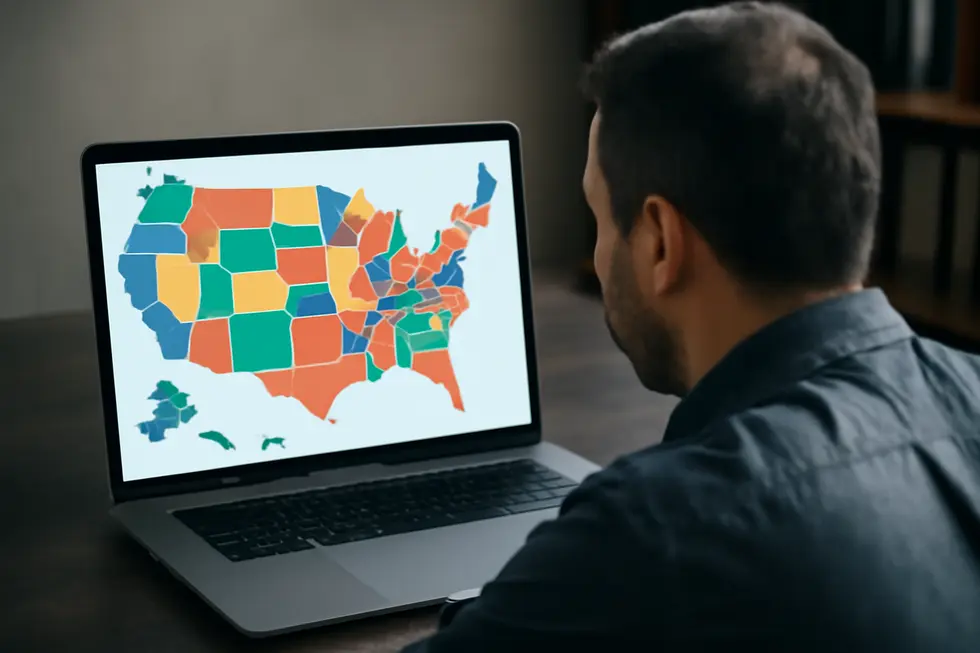
When expanding a business beyond its home state, the choice to use the same name across multiple jurisdictions introduces a web of legal considerations. Foremost among these is the requirement to navigate the intricacies of business name registration and DBA filings. Each state has its own regulations governing how businesses must operate under names that might differ from their legal entity designations. As such, a business must ensure it is compliant in every state where it wishes to conduct operations.
A critical element in this process is registering a Doing Business As (DBA) name, which is particularly relevant for businesses operating under a name other than their legal name. Most states mandate that any DBA be registered at the state and often at the county level as well. This registration grants the business a degree of local recognition and legal protection, but it is essential to note that such protection is limited to the registering state. Consequently, should a similar or identical name exist in another state, the original business may have no recourse unless it secures further legal protections.
In conjunction with DBA registration, businesses looking to operate across state lines must engage in the process of foreign qualification. This process involves registering the business with the state authorities in each new state of operation. During this phase, companies are required to verify the availability of their business name; should the name already be claimed by another entity, they might be compelled to select a different name or file for a DBA in that state. Legal battles over name use can be costly and distracting, necessitating careful preemptive checks to avoid disputes.
Moreover, businesses should recognize the limitations of their registration efforts. A DBA protects the business name solely within the specific jurisdiction it is registered in, offering no guarantees against similar names being used in different states. To achieve a more robust level of protection, a business may consider obtaining a federal trademark. Successfully registering a trademark allows for exclusive national use of the business name, significantly reducing the risk of brand confusion or infringement.
Failing to navigate these legal waters carefully can lead to serious ramifications such as fines, unenforceable contracts, and restrictions on business operations. The regulatory landscape across states emphasizes the importance of completing all necessary filings and ensuring compliance with local laws. For instance, each state maintains its own Secretary of State office, where businesses can find detailed guidance on registering DBAs, foreign qualifying, and maintaining compliance. Additionally, regular name checks are vital whenever there is a change in a business’s legal structure or if it undergoes a rebranding, as amendments must be filed in all states of operation.
Ultimately, business owners contemplating the use of the same name across state lines must conduct thorough research and consider consulting legal professionals to ensure that they meet the diverse and often complex requirements for doing so successfully. Proper adherence to naming regulations is crucial not only for legal compliance but also for the long-term health and reputation of the business.
2. Navigating Trademark Protection: Why Federal Rights Matter When Using the Same Business Name in Multiple States
The use of the same business name across different states introduces intricate legal challenges, particularly concerning trademark rights, which can vary significantly depending on jurisdiction. Businesses looking to utilize an identical name in multiple states must grasp the essential differences between state-level and federal trademark protections.
State trademarks grant businesses protection solely within the borders of that state. These rights can be established either through actual use of the name in commerce or via formal registration with the state authorities. However, when a business seeks to operate under the same name in another state, it could face competition from a different entity capitalizing on a similar name, especially if that name has gained recognition in that new area.
Conversely, obtaining a federal trademark through the U.S. Patent and Trademark Office (USPTO) offers broader protection that transcends state lines. It provides a legal presumption of ownership and exclusive rights to the trademark nationwide, creating robust avenues for enforcement against potential infringement. A business that achieves federal trademark registration can not only sue for infringement in federal court but can also block infringing products from being imported. This comprehensive scope of protection renders federal trademarks invaluable for businesses aspiring to establish a consistent brand identity across the United States.
Moreover, businesses should also be aware of common law rights. A business may possess common law trademark rights based on the name’s prior use in commerce, providing some localized protection. However, these rights are inherently limited to the geographical area where the business operates, and another business using the same name in a different state may establish its own rights, provided it demonstrates prior use.
A critical misconception among entrepreneurs is assuming that registering a business name at the state level equates to obtaining trademark rights. This is not the case—simply being recognized as an LLC or having a business name registered does not confer the legal protections associated with a trademark. These protections arise from the name’s usage as a distinctive identifier in the marketplace, reinforced by federal registration.
To ensure maximal protection, businesses should conduct meticulous trademark searches before adopting a business name. This should involve inquiries at both state and federal levels, as checking state business name availability might not suffice to guarantee that the name is free from trademark claims. If a conflict arises, trademark owners have the right to send cease-and-desist letters and can take legal action if necessary. Federal registration strengthens these enforcement mechanisms and enables businesses to maintain their brand integrity more effectively.
In summary, while it may be legally permissible to utilize the same business name across different states, the risks associated with trademark infringement loom large. Securing federal trademark registration remains the most reliable strategy for businesses aiming for exclusive rights and the avoidance of costly disputes. For targeted advice on trademark protections and rights, consulting an experienced trademark attorney is strongly advisable.
Chapter 2: Navigating Business Names Across State Lines: The Roles of DBAs and Trademarks
1. Deciphering DBAs and Trademarks for Unified Business Branding Across States
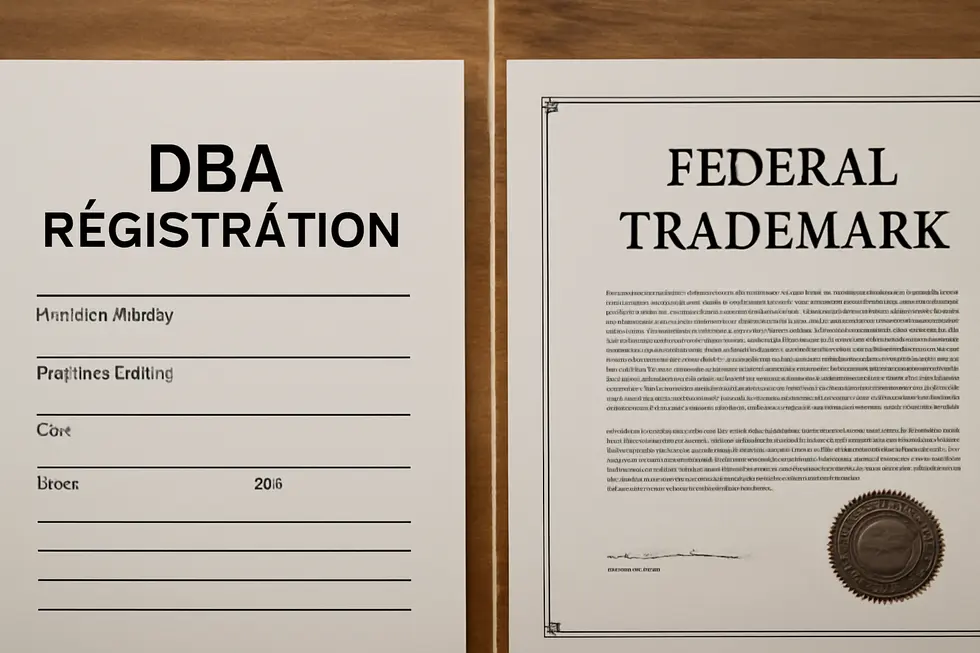
Navigating the complexities of operating under the same business name in different states requires a clear understanding of two critical concepts: Doing Business As (DBA) and trademarks. A DBA allows a business to operate under a name distinct from its legal business name, providing flexibility for branding and marketing purposes. For example, a company may choose a DBA to present a product line that appeals to a specific demographic, while still adhering to the legal identity of the business entity. However, it is crucial to recognize that while DBAs facilitate local recognition, they do not afford protection against the potential use of similar names in other jurisdictions. Therefore, if you establish a DBA in California, another entity in New York could legally adopt the same name.
The process of registering a DBA typically involves conducting a name search to confirm that the chosen name is not already in use within the state. This requirement serves to maintain clarity in the marketplace, preventing confusion among consumers. Registration is generally managed at the state or county level, requiring the submission of paperwork along with a registration fee. It’s an essential step for compliance but must be viewed in the context of broader protection measures. In essence, while a DBA is useful for branding and local operations, its limitations underscore the need for additional legal protections.
In contrast, trademarks provide a means of safeguarding your business identity on a national level. A trademark protects a business name, logo, or symbol, preventing competitors across the United States from utilizing similar identifiers in the same industry. Unlike DBAs, which are confined to state regulations, trademarks are a federal designation granted by the U.S. Patent and Trademark Office (USPTO). This grants businesses nationwide exclusivity over their identifiers, making it an indispensable step for those planning to scale their operations beyond state lines.
To ensure protection across multiple states, businesses should consider registering their trademark even if they operate under a DBA in different locales. Doing so establishes a stronger legal foundation to combat potential infringements or claims against their business name. The registration process involves filing an application with the USPTO and meeting specific criteria, including demonstrating that the business uses its name in commerce. This proactive step fosters brand integrity and prepares businesses for expansion, providing the confidence that their name is shielded from unauthorized use nationwide.
As the business landscape becomes increasingly competitive, understanding the distinction between DBAs and trademarks is vital. While DBAs facilitate operational flexibility, trademarks afford robust protection, thereby allowing businesses to maintain consistent branding and operational identity as they expand across state lines. For businesses aiming for a cohesive presence in multiple markets, combining DBA registration at the state level with trademark registration at the federal level creates a powerful strategy for protecting their brand. By blending these two approaches, businesses can not only comply with local regulations but also secure their identity against potential infringements in the broader national arena.
2. The Distinct Legal Realms of DBAs and Trademarks in Multi-State Operations
When venturing into the landscape of operating a business across state lines, understanding the nuanced differences between DBAs and trademarks is essential. Doing Business As (DBA) registrations allow you to operate under a name that differs from your official entity name within a specific state, offering a straightforward process that is generally more cost-effective than trademark filings. However, this simplicity comes at a cost. DBAs provide only state-level protection, meaning multiple entities can register the same DBA name independently in different states without infringing upon each other’s rights. This lack of exclusivity could lead to confusion among consumers and potential brand dilution.
In contrast, a trademark offers a considerable safeguard, providing nationwide protection for your business name, logo, or slogan once registered with the U.S. Patent and Trademark Office (USPTO). Trademarks inhibit other businesses from using identical or confusingly similar marks in any state or industry, resulting in a robust shield against potential infringements. Thus, while a DBA may allow you to operate under a preferred name locally, a trademark secures your brand’s identity nationally, ensuring that your brand is uniquely yours across the entire country.
Should you wish to maintain the same business name in multiple states under a DBA framework, it is critical to register this DBA in each state where your operations are based. It is equally crucial to conduct thorough searches in those states to ensure that no conflicting DBAs exist, as unlawfully operating under a name that is already in use could lead to legal disputes and operational hurdles. While this route may offer a quick solution, it does not prevent other entities from invoking the same or similar names elsewhere, potentially leading to a fragmented brand recognition.
Therefore, for businesses intent on establishing a strong presence across state borders, pursuing federal trademark registration is advisable. Such a strategy not only protects your business name but also enhances brand integrity. To this end, many business owners employ a combination approach: forming a legal entity, registering DBAs as necessary for branding purposes within states, and laying the groundwork for trademark registration to fortify their identity against competitors on a national scale.
Practical tips for navigating this landscape include ensuring compliance with each state’s specific DBA filing rules, as these can vary widely and may require additional steps such as public notices or filings with various state or county offices. Moreover, keeping abreast of renewal requirements is crucial, as DBAs typically need periodic renewals every 5 to 10 years, while trademarks require renewals approximately every decade. This proactive management of your business name, adhering to legal mandates across jurisdictions, will enable you to harness the full potential of your brand as it grows beyond initial state boundaries. For further details about trademark protections, you can visit Trademark Protection for Business Names.
Chapter 3: Securing a Unique Business Identity Across State Lines: Exploring Name Registration Protocols

1. Ensuring Name Availability and Compliance When Registering a Business Across States
When embarking on the journey to register a business name across multiple states, ensuring that the name is available and unique in each state is paramount. This process starts with conducting a thorough name availability search within each state’s business registry. Each state’s Secretary of State or its equivalent office maintains a database of registered business names. By exploring these databases, you can confirm whether your chosen legal business name, or your designated DBA (Doing Business As), is already in use, or if there are existing names that could create a deceptive similarity.
Once initial availability checks are made, the next critical step in the procedures is the process of foreign qualification. If you are planning to operate outside your registered home state, you’ll need to file for foreign qualification in each new state. This step entails rechecking name availability as part of the application process. Should your legal name already be in use in the state you wish to operate in, you may be required to register under a fictitious name. This registration ensures compliance with state regulations and allows your business to legally operate without infringing on existing businesses.
For those choosing to use a name different from their legal business name, registering a DBA becomes essential. This registration must occur in each state where business operations will take place. Each state has specific rules, processes, and renewal periods for DBA registrations. Be mindful that simply securing a DBA does not confer any legal protection against other entities using the same name in different jurisdictions; thus, understanding the limitations of DBA visibility on a broader scale is crucial.
Moreover, trademark considerations cannot be overlooked in the name registration process. Conducting name availability checks at the state level does not assure federal trademark rights. Thus, performing a comprehensive trademark search at both federal and state levels is necessary to minimize infringement risks. Trademarks provide broader protection than state business name registration alone, allowing for the safeguarding of your brand on a national level.
Ongoing compliance is another impactful aspect of multi-state registrations. As a business evolves, should there be a need to change the name, it is obligatory to file amendments in every state where you hold registrations. Neglecting these requirements can lead to penalties or even the loss of good standing in those states.
Additionally, it is vital to comprehend that states have idiosyncratic naming rules. Requirements often include specific identifiers such as LLC or Inc., alongside restrictions on certain terms, which may inadvertently lead to non-compliance if not carefully monitored.
To successfully traverse the complexities of registering a business name across various states, meticulous name availability checks, DBA registrations when needed, foreign qualifications, and trademark searches should be part of a comprehensive strategy. This organized approach is essential for ensuring compliance and protecting the integrity of your business identity.
2. Managing Ongoing Compliance for Multi-State Business Name Registration
When a business aspires to operate under a single name across various states, ongoing compliance is a multifaceted challenge that demands attention to detail and an understanding of each jurisdiction’s requirements. From the outset, businesses must establish that their chosen name is not only unique but also properly registered in every state in which they intend to operate. This process begins with diligent research, necessitating a thorough examination of each state’s Secretary of State’s database to confirm the business name’s availability. If the name is taken or conflicts arise, businesses may need to consider alternatives or proceed with registering a Doing Business As (DBA) name, which also requires compliance with state-specific regulations.
In addition to name registration, businesses must navigate the intricacies of foreign qualification whenever they seek to conduct transactions in states other than their state of origin. This procedure typically entails submitting a certificate of good standing from the home state, appointing a registered agent to receive legal correspondence, and fulfilling specific financial obligations, such as payment of filing fees. Importantly, what constitutes “transacting business” can vary; factors like having a physical presence, employing workers, or incurring sales tax liabilities can all trigger the necessity for foreign qualification.
A registered agent plays an indispensable role in this process. Every state mandates the appointment of a registered agent—essentially a liaison between the business and the state—who must possess a physical address in that state. This agent is responsible for receiving vital legal documents, and the repercussions of failing to maintain an active registered agent can be severe, potentially jeopardizing the company’s good standing.
Moreover, regulatory frameworks often require regular upkeep through annual or biennial reports. Most states impose a mandate to file these reports, detailing updates about the business’s leaders, address changes, and other pertinent information. Missing these deadlines or failing to pay associated fees can result in penalties or even administrative dissolution of the business entity.
Tax compliance is another critical layer of ongoing obligations. Companies must register with regional tax authorities to manage sales tax, employee withholdings, and other applicable tax responsibilities. This often involves separate registrations with departments that differ by state, demanding meticulous organization and prompt action.
Additionally, if a business opts to operate under a DBA, it is imperative that this name also adheres to state guidelines, necessitating its own registration process to avoid legal conflicts. Compliance here varies widely from one state to another.
Finally, it’s essential that businesses remain vigilant about name changes. Should a business evolve into a new entity or alter its legal name, it must file the appropriate amendments in every state where it is registered, ensuring that records are up-to-date and accurate.
Handling these layered compliance requirements is no small feat; businesses often consult legal experts or compliance specialists to navigate the complexities of operating across state lines effectively. Such strategic management not only mitigates risks but also bolsters the legal standing of the business as it strives to build a recognizable brand across the nation.
Chapter 4: Navigating Business Name Compliance Across State Borders: Essential Legal Frameworks

1. Ensuring Business Name Integrity in Multiple States: Legal Requirements and Trademark Strategies
When business owners decide to operate across state lines, they face complex legal landscapes that govern the use of business names. One of the most significant considerations is the Doing Business As (DBA) name, which permits a company to present itself under a name different from its registered legal entity. However, each state has distinct DBA registration requirements, and obtaining a DBA does not safeguard the name against similar usages by other entities in different jurisdictions. For instance, if a business was registered as ‘ABC Services LLC’ in Texas, it could face challenges if another company uses the same name in New York unless proper checks and safeguards are in place.
To effectively operate in another state, businesses must conduct thorough due diligence to ensure that their name is not already in use. This process involves checking the availability of the name via the state’s business registry and complying with local DBA registration requirements. If the desired name is unavailable, businesses may have to adopt a fictitious name in that state. Additionally, they must complete the foreign qualification process, which involves designating a registered agent and registering to conduct business legally in that state. This ensures that the business is recognized formally and can operate without legal repercussions. Without executing this step, a business could be deemed unauthorized to operate in the new locale, risking potential fines and operational halts.
Furthermore, trademark implications play a vital role in maintaining a cohesive and protected brand across state lines. Unlike a DBA, a trademark provides broader national protection against unauthorized use of a business name. Businesses looking to expand should consider registering their trademark at the federal level, which offers nationwide safeguarding and can protect against infringement. Conducting an exhaustive trademark search prior to naming is essential to avoid conflicts with existing trademarks and ensure the chosen name is unique across all states of operation.
In addition to name protection and registration, businesses must adhere to varying regulatory compliance requirements imposed by each state, including acquiring necessary operational licenses and permits. Non-compliance can result in penalties, including fines or even business dissolution, emphasizing the importance of diligent legal oversight.
In summary, comprehending the legal considerations surrounding business name compliance is indispensable for companies aiming to operate in multiple states. By managing DBA requirements, ensuring proper foreign qualification, securing trademark protection, and adhering to local regulations, businesses can navigate the complexities of state laws while building and maintaining a solid national presence.
2. Navigating the Path to a Unified Business Identity: Best Practices for Multi-State Naming Compliance
Maintaining a recognizable and consistent business name across multiple states is an essential part of establishing a successful brand. However, this task involves navigating the complexities of state-specific regulations, trademark considerations, and operational logistics. The foundation begins with understanding the distinction between a legal entity name and a DBA (Doing Business As), as both serve different functions in the business world.
Your legal entity name is the official name of your business as registered with the state of formation. For instance, if you register your company as ‘Smith & Jones, LLC’ in California, this is your recognized legal name. To operate under a different name, even one that reiterates your legal entity name, in another state, you typically must register that name as a DBA in each jurisdiction where your business operates. This registration is crucial for brand consistency and legal compliance, allowing you to represent your business under a name recognized across various geographical areas.
As exploratory opportunities arise, so does the need to comply with each state’s unique naming requirements when expanding into new areas. First, assess whether your business activities meet the criteria for ‘doing business’ in these new locales. This threshold can vary significantly by state and often encompasses factors like having a physical presence, hiring employees, or meeting sales tax obligations. Should your business operations qualify, foreign qualification becomes necessary—this process involves registering your existing entity within the new state and may require securing a name variation or DBA that aligns with your brand identity. Given that no central database guarantees name exclusivity beyond federal protections, conducting thorough preliminary searches in both the United States Patent and Trademark Office (USPTO) for trademark conflicts and local state registries for entity or DBA availability is critical.
To truly safeguard your brand, securing federal trademark protection is advisable as it provides broader rights across all fifty states. With a federal trademark, you gain the ability to prevent other businesses from using names that could understandably confuse consumers regarding your products or services. However, even this robust layer of protection does not exempt you from adhering to each state’s operational prerequisites, which may include foreign qualification and DBA registration based on your business activities.
With all these moving parts, implementing a best practices checklist can greatly streamline your efforts. Start by selecting an available business name and registering your legal entity in your home state. If you plan to operate in additional states, ensure you complete the necessary foreign qualifications and file DBAs consistently where required. As you expand, prioritize securing federal trademark protection, conduct regular compliance audits to monitor obligations, and always consult local legal counsel before entering new markets due to the diverse and ever-changing legal landscape. Following these guidelines ensures not only a consistent branding message but also a strong legal foundation as your business grows and evolves.
Final thoughts
Navigating the complexities of using the same business name across state lines can be daunting for business owners. Understanding the necessary legal implications and registration procedures is crucial to protecting your brand. By incorporating trademarks and adhering to each state’s compliance regulations, you can safeguard your business identity from potential conflicts and ensure long-term success. Prioritizing these steps facilitates a more coherent business strategy, keeping you ahead of the legal curve.
Your IP is the foundation of your success – let’s protect it together before it’s too late. We can’t wait to help you turn your ideas into legally secured assets.
About us
undefined